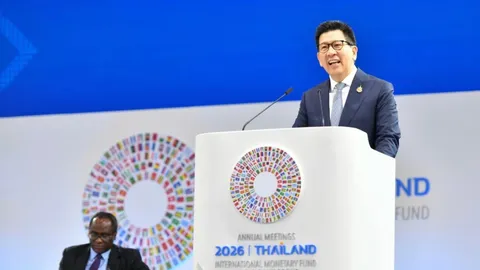
OECD supports Thailand’s accession to the organisation in 2028
Thailand secures US$200m World Bank loan for clean energy and low carbon cities
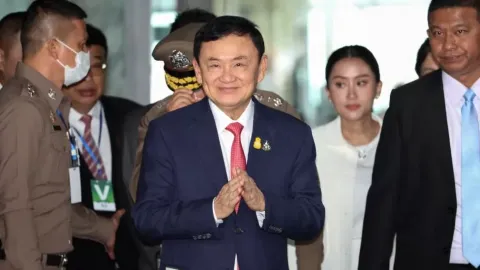
Is Thailand set for another era of bureaucratic reform under Thaksin’s influence?
AI In-Brief
Thailand News in Brief
Thai PBS World
Thailand and the world, every day
AI can make mistakes. Please double-check.
Is Thailand set for another era of bureaucratic reform under Thaksin’s influence?
13 Sept 13:30Key points summarised by AI
Thaksin Shinawatra previously spearheaded significant bureaucratic reforms in 2002, establishing new ministries and privatizing state enterprises, marking a notable shift in Thailand's entrenched 'bureaucratic polity.'
With Thaksin's Pheu Thai Party now leading the government, the Srettha Thavisin administration is reportedly preparing new laws to revamp the bureaucratic structure, including proposed ministries for Climate Change and Soft Power.
Critics argue that simply creating new ministries is a top-down approach that could expand bureaucracy and red tape, rather than achieving genuine reform, decentralization, or effective cross-agency collaboration on complex issues.
Thailand's bureaucratic system has remained largely unchanged since 1932, with the civil service often holding power comparable to elected governments, a status quo that past reforms attempted to challenge but was reinforced after the 2014 coup.
Thailand secures US$200m World Bank loan for clean energy and low carbon cities
Today 09:24Key points summarised by AI
Thailand secured a US$200 million loan from the World Bank to significantly invest in clean energy and low-carbon urban development initiatives.
The program aims to drive clean energy funding and low-carbon growth, ensuring a just transition for small and medium-sized enterprises, workers, farmers, and local communities.
Channelled through the Export-Import Bank of Thailand, the loan will fund energy efficiency upgrades in public buildings and industrial areas, including rooftop solar installations and electrical system modernizations, reducing initial capital burdens via Energy Service Companies (ESCOs).