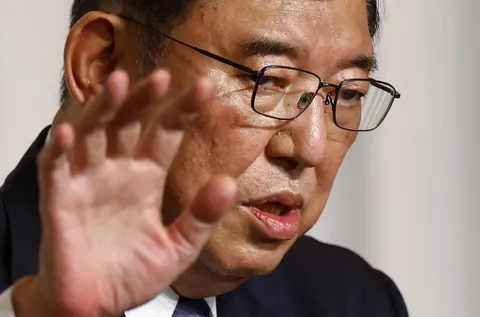
Newly appointed Japanese Prime Minister Shigeru Ishiba advocates for an "Asian NATO" to counter China's rise and enhance regional stability, a concept he has long supported.
ASEAN nations, however, largely reject such military alliances, having maintained peace for six decades by fostering cooperative partnerships and frameworks like the ASEAN Outlook for Indo-Pacific (AOIP), fearing polarization and negative repercussions.
Japan currently holds a strong reputation as a peace-loving country and reliable partner, extensively cooperating with ASEAN on development and economic progress under existing AOIP activities.
The article advises PM Ishiba to prioritize strengthening economic cooperation and reaffirming support for ASEAN centrality at upcoming summits, cautioning that introducing the divisive "Asian NATO" idea would be out of place and unwelcome.
Thailand's Education Ministry is implementing a four-pronged strategy to address its students' below-average performance in PISA 2025 and tackle significant educational inequality.
The plan prioritizes closing performance gaps by increasing funding for small and low-income schools, overhauling the curriculum to foster critical thinking, and adopting a data-driven management system to reduce teacher workload.
Key initiatives include enhancing school safety, combating cyberbullying, and expanding mental health support through peer-to-peer networks, recognizing the severe impact of distress on academic performance.
An education expert advises verifying if PISA improvements stem from structural changes, advocating for a revived STEM curriculum with practical 'learn by doing' methods, and urging bureaucratic reform to link teacher evaluations to student development.