Government proposes ฿6bn subsidy for EV motorbikes
Diversification of oil import sources to reduce risk of domestic shortages
Thailand’s household debt falls for the first time in 42 months - NESDC
AI In-Brief
Thailand News in Brief
Thai PBS World
Thailand and the world, every day
AI can make mistakes. Please double-check.
AI In-brief15 Sept 00:29
Thailand’s household debt falls for the first time in 42 months - NESDC
Thailand's household debt decreased to 89.6% of GDP in Q2, marking the first decline in three and a half years, a healthy sign for the economy.
Despite the fall, household debt remains high compared to regional peers, with the NESDC closely monitoring high-interest personal consumption debt to prevent a 'debt trap'.
Non-performing loans (NPLs) surged in Q2 to over 1.16 trillion baht, primarily from mortgages and car loans, indicating growing financial strain.
The Bank of Thailand is urged to implement responsible lending practices, as tightening bank access risks pushing debtors towards informal lenders, which accounted for 67 billion baht in debt last year.
AI In-briefYesterday 13:37
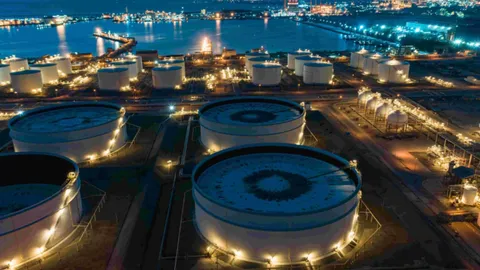
Diversification of oil import sources to reduce risk of domestic shortages
Thailand strategically diversified its crude oil import sources, moving beyond a heavy reliance on the Middle East to include countries like Angola, Brazil, and Argentina, to enhance energy security amidst geopolitical uncertainties.
This shift successfully reduced the risk of domestic oil shortages by expanding the range of suppliers, with the US, Australia, and Myanmar emerging as significant import partners.
Despite successful diversification in supply, energy costs have not immediately decreased, primarily due to market mechanisms, transportation expenses, and fluctuating foreign exchange rates.
The oil import price index and fuel product prices have seen significant increases year-on-year, contributing to higher inflation and underscoring ongoing cost challenges despite the expanded supply base.