Nationwide crackdown launched on illegal nominee shareholders and land holdings
From bribes to fees: Thailand mulls legal option for avoiding conscription
AI In-Brief
Thailand News in Brief
Thai PBS World
Thailand and the world, every day
AI can make mistakes. Please double-check.
From bribes to fees: Thailand mulls legal option for avoiding conscription
11 Sept 01:02Key points summarised by AI
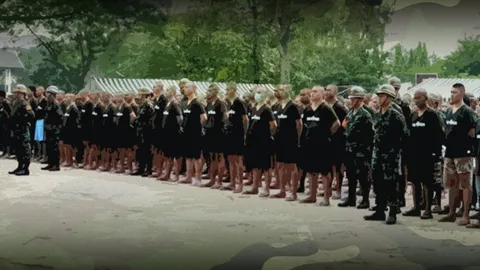
Thailand is considering a legal conscription waiver fee to replace widespread bribery, which sees an estimated 2 billion baht paid annually by wealthy families to avoid mandatory military service.
The proposed fee, suggested by Territorial Defence Command chief Lt-General Taweepool Rimsakorn, aims to fund improved benefits for voluntary recruits but raises concerns about creating a 'class-based division' in military service.
Currently, Thai men aged 20 are subject to a conscription lottery, with options for volunteering (which shortens service and allows unit choice) or exemptions through specific training programs.
Several countries, including Switzerland, Armenia, and Turkey, already implement similar fee-based systems, allowing citizens to legally opt out of military service for a financial contribution.
Nationwide crackdown launched on illegal nominee shareholders and land holdings
Yesterday 15:20Key points summarised by AI
Thailand's Prime Minister Anutin Charnvirakul initiated a nationwide crackdown on illegal Thai nominee shareholders in foreign-run businesses and land holdings to safeguard national interests.
The government will integrate efforts across all relevant agencies to target illicit foreign operations, forced sales of illegally acquired property, and high-risk land ownership schemes.
Key strategies include auditing suspect land and building holdings, establishing a long-term monitoring system, and cross-referencing data from various authorities to trace ultimate beneficial owners.
Prime Minister Anutin emphasized that no influential figures or corrupt officials are above the law, promising straightforward prosecution, asset seizures, and protection for enforcing officers.
Beyond land ownership, the integrated crackdown will also extend to tackle transnational crimes, including drug and human trafficking.