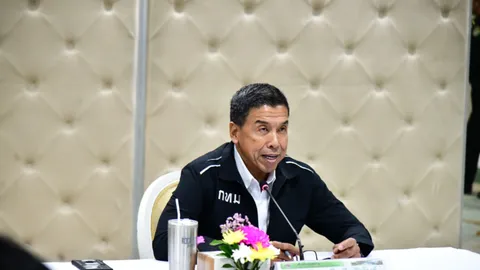
BMA pushes street vendor regulation to balance pedestrian rights and livelihoods
Pinsak vows to get rid of blackchin tilapia in natural watercourses in 180 days
Copayment a game changer for health insurance industry, but what does it mean for policyholders?
AI In-Brief
Thailand News in Brief
Thai PBS World
Thailand and the world, every day
AI can make mistakes. Please double-check.
AI In-brief2 Oct 00:25
Copayment a game changer for health insurance industry, but what does it mean for policyholders?
The Thai health insurance industry is shifting to a copayment model to address rising costs, unsustainable claims, and policyholder behavior, moving away from traditional full-coverage plans.
Under the new system, policyholders will share 30-50% of medical expenses if they exceed specific claim thresholds, such as making three claims for simple diseases amounting to 200% of their annual premium, aiming to promote responsible healthcare usage.
While copayment is projected to lower annual premiums for new clients, potentially making insurance more affordable, it also introduces increased financial burdens for individuals with chronic illnesses and adds complexity to policy understanding.
These new regulations are set to be enforced in March for new clients only, prompting advice for those desiring full coverage to purchase traditional policies beforehand, amid ongoing discussions about high private hospital fees.
AI In-briefYesterday 12:41
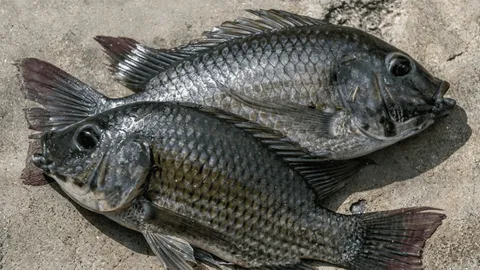
Pinsak vows to get rid of blackchin tilapia in natural watercourses in 180 days
Director-general Pinsak Suraswadi targets eradicating invasive blackchin tilapia from over 200 natural waterways within 180 days to protect native species and prevent future alien invasions.
The department emphasizes urgent elimination of blackchin tilapia, an invasive species rapidly reproducing and causing severe damage to Thailand's ecological system.
Waterways are classified into color-coded zones (green, yellow, red, light blue) based on infestation density, guiding tailored strategies from monitoring to community-led elimination campaigns.
Elimination efforts involve deploying specialized equipment and collaborating with local communities to remove the fish, with a strict policy against commercializing the catch.
Initial surveys identified severe blackchin tilapia invasions in seven waterways across five provinces, underscoring the critical need for the 180-day action plan.