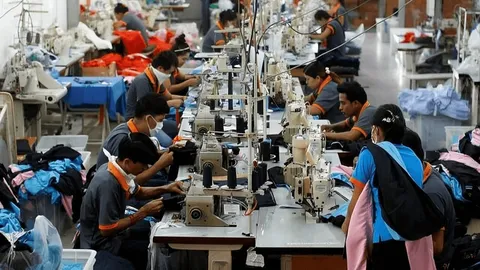
Rising number of factory closures points to bleak future for Thai industries
AI In-Brief
Thailand News in Brief
Thai PBS World
Thailand and the world, every day
AI can make mistakes. Please double-check.
Rising number of factory closures points to bleak future for Thai industries
10 Sept 12:04Key points summarised by AI
Thailand faces a severe crisis with a surge in factory closures, particularly among small and medium-sized enterprises (SMEs), largely due to an influx of cheaper Chinese products and declining local competitiveness.
Factory closures dramatically increased, with 3,045 factories shutting down in 2023-2024, a sharp rise from previous years, leading to a significant drop in net factory openings.
Weak domestic consumption, restrictive lending policies for SMEs, and strong government support for Chinese industries exacerbate the problem, making it difficult for Thai businesses to compete.
The manufacturing sector is contracting, raising concerns about Thailand becoming a re-export conduit for Chinese goods (risking US tariffs), and potentially leading to widespread job losses and reduced worker incomes.
Experts advocate for immediate solutions, including loan support for struggling SMEs, a review of the central bank's restrictive monetary policies, and strategic industrial restructuring to help local industries survive.
Thailand's Education Ministry is implementing a four-pronged strategy to address its students' below-average performance in PISA 2025 and tackle significant educational inequality.
The plan prioritizes closing performance gaps by increasing funding for small and low-income schools, overhauling the curriculum to foster critical thinking, and adopting a data-driven management system to reduce teacher workload.
Key initiatives include enhancing school safety, combating cyberbullying, and expanding mental health support through peer-to-peer networks, recognizing the severe impact of distress on academic performance.
An education expert advises verifying if PISA improvements stem from structural changes, advocating for a revived STEM curriculum with practical 'learn by doing' methods, and urging bureaucratic reform to link teacher evaluations to student development.