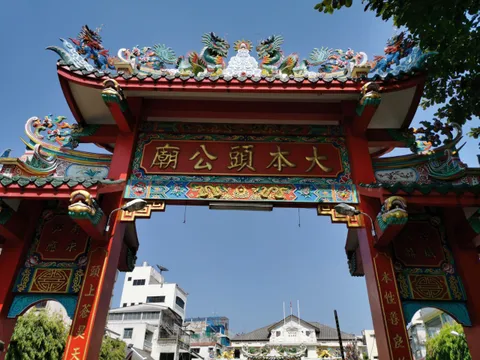
Song Wat Road, Bangkok's historic "Spice Road" in Chinatown, is experiencing a vibrant renaissance, seamlessly blending its rich multicultural past with modern artistic and culinary innovations.
The district offers diverse experiences, from ancient spiritual landmarks like the Lao Pun Tao Kong Shrine and the city's oldest mosque, Masjid Luang Kocha Itsahak, to contemporary spaces like art galleries (Play Art House) and unique craft boutiques (Road of Cinnamon).
It has emerged as a dynamic culinary destination, featuring traditional Teochew bao at Gu Long Bao, modern Thai seafood at E-Ga Luv Seafood, authentic Taiwanese tea at Casa Formosa, and the Michelin-starred avant-garde Thai-Chinese cuisine at Potong.
Song Wat embodies Bangkok's evolving identity, inviting visitors to explore its living history through spiritual sites, artistic expressions, and gastronomic delights, honoring its heritage while embracing new ventures.
Thailand's Education Ministry is implementing a four-pronged strategy to address its students' below-average performance in PISA 2025 and tackle significant educational inequality.
The plan prioritizes closing performance gaps by increasing funding for small and low-income schools, overhauling the curriculum to foster critical thinking, and adopting a data-driven management system to reduce teacher workload.
Key initiatives include enhancing school safety, combating cyberbullying, and expanding mental health support through peer-to-peer networks, recognizing the severe impact of distress on academic performance.
An education expert advises verifying if PISA improvements stem from structural changes, advocating for a revived STEM curriculum with practical 'learn by doing' methods, and urging bureaucratic reform to link teacher evaluations to student development.