Design of elevator shaft may have contributed to collapse of SAO building
AI In-Brief
Thailand News in Brief
Thai PBS World
Thailand and the world, every day
AI can make mistakes. Please double-check.
Design of elevator shaft may have contributed to collapse of SAO building
13 Sept 12:39Key points summarised by AI
A fact-finding committee suggests the SAO building's collapse during an earthquake was linked to a design error in its elevator shaft, which caused torque and structural failure.
Interior Minister Anutin Charnvirakul raised concerns about an engineer's report that his signature was forged on documents approving a changed elevator shaft design for the project.
The alleged forgery, which reportedly certified a reduction in elevator wall thickness from 30cm to 25cm, is viewed as an ethical breach prompting a meeting on professional conduct.
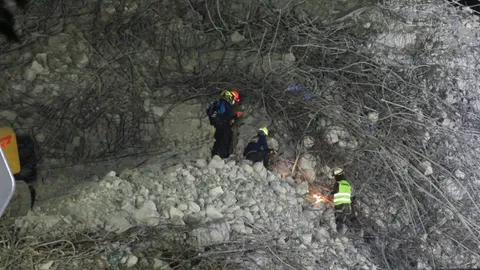
Recovery operations are ongoing, with the debris mound reduced, as searches continue for victims; the current death toll stands at 44, with 50 people still missing.
Thailand's Education Ministry is implementing a four-pronged strategy to address its students' below-average performance in PISA 2025 and tackle significant educational inequality.
The plan prioritizes closing performance gaps by increasing funding for small and low-income schools, overhauling the curriculum to foster critical thinking, and adopting a data-driven management system to reduce teacher workload.
Key initiatives include enhancing school safety, combating cyberbullying, and expanding mental health support through peer-to-peer networks, recognizing the severe impact of distress on academic performance.
An education expert advises verifying if PISA improvements stem from structural changes, advocating for a revived STEM curriculum with practical 'learn by doing' methods, and urging bureaucratic reform to link teacher evaluations to student development.