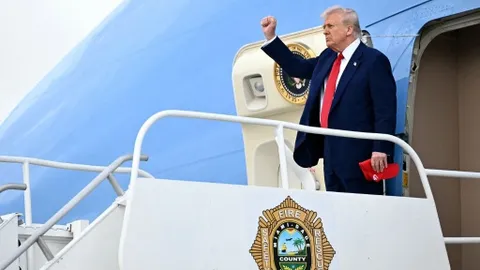
The Trump administration's escalating conflict with elite institutions like Harvard mirrors Thailand's generational political divides, aiming to challenge liberal power centers and shift the country's ideology rightward.
Globally, Trump's protectionist tariff policies are causing widespread economic instability, prompting a geopolitical shift where the US retreats while China actively promotes economic cooperation.
Thailand's government faces significant public and conservative backlash over the controversial Entertainment Complex bill, with critics questioning its social risks and prioritization amidst national grieving following a recent earthquake.
Both the US and Thai administrations are under intense scrutiny, as fundamental questions arise about democratic principles in the US and public trust is challenged in Thailand regarding policy decisions, disaster response, and alleged corruption.
Thailand's Education Ministry is implementing a four-pronged strategy to address its students' below-average performance in PISA 2025 and tackle significant educational inequality.
The plan prioritizes closing performance gaps by increasing funding for small and low-income schools, overhauling the curriculum to foster critical thinking, and adopting a data-driven management system to reduce teacher workload.
Key initiatives include enhancing school safety, combating cyberbullying, and expanding mental health support through peer-to-peer networks, recognizing the severe impact of distress on academic performance.
An education expert advises verifying if PISA improvements stem from structural changes, advocating for a revived STEM curriculum with practical 'learn by doing' methods, and urging bureaucratic reform to link teacher evaluations to student development.