Government to start building Chainat-Pasak-Gulf water diversion canal next year
Bright at Midnight: Conceptual echoes of Bas Jan Ader Arrive in Bangkok
Too precious to let go: The science behind pet cloning
AI In-Brief
Thailand News in Brief
Thai PBS World
Thailand and the world, every day
AI can make mistakes. Please double-check.
Too precious to let go: The science behind pet cloning
11 Sept 04:30Key points summarised by AI
A Thai woman spent over $180,000 to clone her deceased French bulldog, Phaphaeng, driven by a deep emotional bond and reluctance to part with her pet.
Pet cloning involves collecting cells, typically from the ear, and sending them to specialized labs (like one in Dubai overseen by scientist Hwang Woo-suk) to create a genetically identical embryo for a surrogate.
The process is costly and complex, with prices ranging from $50,000 to over $150,000, and can require multiple attempts, as demonstrated by Phaphaeng's challenging cloning.
Owners like Kanjanarat report strong connections, believing cloned pets retain memories, though the practice sparks debate regarding the humanization of animals and potential public criticism.
The availability of pet cloning services, which can be initiated by collecting cells while the pet is alive or shortly after death, caters to a growing demand from owners seeking to preserve their companions.
Bright at Midnight: Conceptual echoes of Bas Jan Ader Arrive in Bangkok
Today 15:13Key points summarised by AI
"Bright at Midnight" marks the first institutional exhibition in Asia of Dutch conceptual artist Bas Jan Ader, showcasing his enigmatic work at Bangkok Kunsthalle until January 10, 2027.
The exhibition delves into Ader's legacy, exploring themes of vulnerability and the ephemeral, made more poignant by his 1975 disappearance at sea during an art project.
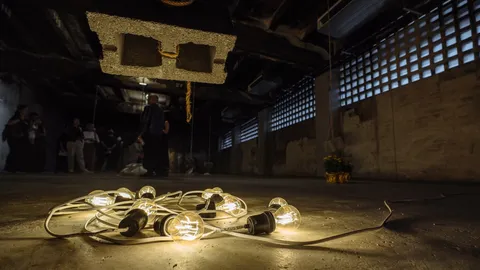
It encourages viewers to engage with art beyond its material form, featuring key pieces like "Thoughts unsaid, Then forgotten," "Light vulnerable objects threatened by eight cement bricks," and the haunting film "Launch of the Ocean Wave."
A highlight is the planned live transformation of "Light vulnerable objects threatened by eight cement bricks" in 2026, where ropes will be cut, creating a new layer of art from the destructive impact.
The exhibition challenges conventional art consumption, advocating for a deeper appreciation of conceptual and research-driven artistic practices over mere fascination with art as an asset class.