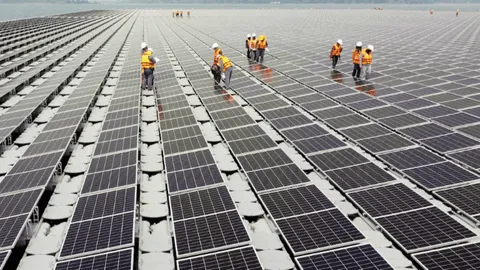
US finalises tariffs on solar imports on Thailand and other ASEAN nations
AI In-Brief
Thailand News in Brief
Thai PBS World
Thailand and the world, every day
AI can make mistakes. Please double-check.
US finalises tariffs on solar imports on Thailand and other ASEAN nations
13 Sept 11:53Key points summarised by AI
US trade officials finalized substantial tariffs on most solar cells from Malaysia, Cambodia, Thailand, and Vietnam, targeting Chinese companies accused of selling goods below cost and receiving unfair subsidies.
Tariff levels vary significantly by company and country; for example, Trina Solar products from Thailand face duties of 375.19%, while Cambodian producers face over 3,500% due to non-cooperation.
The tariffs stem from a trade case brought by American manufacturers like Hanwha Qcells and First Solar, aiming to protect US solar manufacturing investments from uncompetitive practices.
Critics, including the Solar Energy Industries Association (SEIA), argue these tariffs could negatively impact US solar producers by raising prices on imported cells vital for domestic panel assembly.
The International Trade Commission must vote in June to confirm that the US industry was materially harmed by these imports for the tariffs to be fully implemented.
Thailand's Education Ministry is implementing a four-pronged strategy to address its students' below-average performance in PISA 2025 and tackle significant educational inequality.
The plan prioritizes closing performance gaps by increasing funding for small and low-income schools, overhauling the curriculum to foster critical thinking, and adopting a data-driven management system to reduce teacher workload.
Key initiatives include enhancing school safety, combating cyberbullying, and expanding mental health support through peer-to-peer networks, recognizing the severe impact of distress on academic performance.
An education expert advises verifying if PISA improvements stem from structural changes, advocating for a revived STEM curriculum with practical 'learn by doing' methods, and urging bureaucratic reform to link teacher evaluations to student development.