Thailand may avoid imposition of high reciprocal tariffs by US
AI In-Brief
Thailand News in Brief
Thai PBS World
Thailand and the world, every day
AI can make mistakes. Please double-check.
Thailand may avoid imposition of high reciprocal tariffs by US
13 Sept 07:19Key points summarised by AI
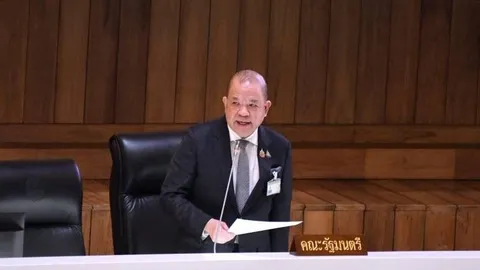
Thailand's Commerce Minister, Pichai Naripthaphan, suggests the country may avoid high reciprocal tariffs from the United States, citing information from a US private sector source.
Thai delegations are actively engaging with US companies and preparing proposals for upcoming tariff negotiations, expected to conclude swiftly in one or two rounds.
Thailand's agricultural exports to the US totaled US$4.7 billion last year, with key products including dog/cat food and rice significantly increasing their market share, potentially benefiting from US tariffs on Chinese goods.
The report identifies specific Thai products, such as flavoured mackerel and bamboo shoots, that could see increased US market share, while others like garlic and green tea may face fiercer competition from China.
Thailand's Education Ministry is implementing a four-pronged strategy to address its students' below-average performance in PISA 2025 and tackle significant educational inequality.
The plan prioritizes closing performance gaps by increasing funding for small and low-income schools, overhauling the curriculum to foster critical thinking, and adopting a data-driven management system to reduce teacher workload.
Key initiatives include enhancing school safety, combating cyberbullying, and expanding mental health support through peer-to-peer networks, recognizing the severe impact of distress on academic performance.
An education expert advises verifying if PISA improvements stem from structural changes, advocating for a revived STEM curriculum with practical 'learn by doing' methods, and urging bureaucratic reform to link teacher evaluations to student development.