Bright at Midnight: Conceptual echoes of Bas Jan Ader Arrive in Bangkok
Carb counting: The skinny on Thailand’s new war on lifestyle diseases
AI In-Brief
Thailand News in Brief
Thai PBS World
Thailand and the world, every day
AI can make mistakes. Please double-check.
Carb counting: The skinny on Thailand’s new war on lifestyle diseases
12 Sept 01:27Key points summarised by AI
Thailand's Public Health Ministry launched the "Lower Carb, Fewer Health Issues" policy to combat the widespread epidemic of lifestyle diseases by reducing citizens' carbohydrate intake.
The policy targets nearly half of Thailand's population, which suffers from Non-Communicable Diseases (NCDs) largely due to high carb consumption, costing the nation trillions annually.
Over one million village health volunteers are trained to educate 50 million Thais on carb counting, supported by a website (www.nubcarb.com) for calculating daily calorie and carb intake.
This initiative shifts from general dietary advice to tangible carb-counting guidelines, empowering individuals to make healthier choices, improving health outcomes, and significantly reducing healthcare expenditure.
Bright at Midnight: Conceptual echoes of Bas Jan Ader Arrive in Bangkok
Yesterday 15:13Key points summarised by AI
"Bright at Midnight" marks the first institutional exhibition in Asia of Dutch conceptual artist Bas Jan Ader, showcasing his enigmatic work at Bangkok Kunsthalle until January 10, 2027.
The exhibition delves into Ader's legacy, exploring themes of vulnerability and the ephemeral, made more poignant by his 1975 disappearance at sea during an art project.
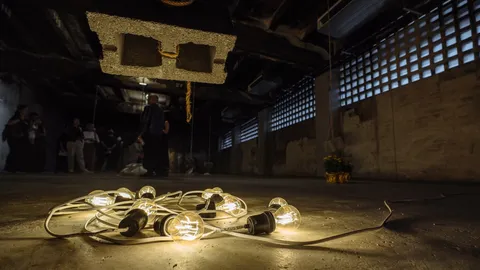
It encourages viewers to engage with art beyond its material form, featuring key pieces like "Thoughts unsaid, Then forgotten," "Light vulnerable objects threatened by eight cement bricks," and the haunting film "Launch of the Ocean Wave."
A highlight is the planned live transformation of "Light vulnerable objects threatened by eight cement bricks" in 2026, where ropes will be cut, creating a new layer of art from the destructive impact.
The exhibition challenges conventional art consumption, advocating for a deeper appreciation of conceptual and research-driven artistic practices over mere fascination with art as an asset class.