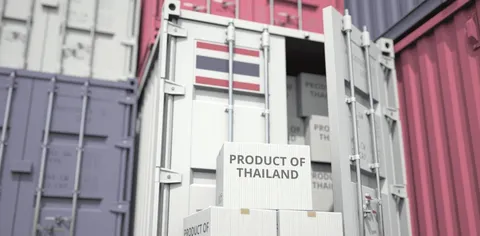
The tough business of striking a fair trade deal with Trump’s US
AI In-Brief
Thailand News in Brief
Thai PBS World
Thailand and the world, every day
AI can make mistakes. Please double-check.
The tough business of striking a fair trade deal with Trump’s US
13 Sept 10:25Key points summarised by AI
The Trump administration aggressively pressures smaller economies like Thailand to accept "unfair" trade deals, demanding drastic tariff reductions on US goods, often to zero.
Trump's radical shift from traditional free trade to a protectionist, high-tariff approach upended decades of predictable US policy, forcing nations into a defensive posture.
Thai policymakers, unprepared for this shift, must now navigate demands for market liberalization while balancing domestic interests and leveraging limited geopolitical influence compared to key US allies like Vietnam and Indonesia.
Trump's tariff policy threatens to fragment the global free trade system, prompting other nations to form new alliances and potentially leading to a multipolar trade environment with increased risks for smaller economies.
Thailand's Education Ministry is implementing a four-pronged strategy to address its students' below-average performance in PISA 2025 and tackle significant educational inequality.
The plan prioritizes closing performance gaps by increasing funding for small and low-income schools, overhauling the curriculum to foster critical thinking, and adopting a data-driven management system to reduce teacher workload.
Key initiatives include enhancing school safety, combating cyberbullying, and expanding mental health support through peer-to-peer networks, recognizing the severe impact of distress on academic performance.
An education expert advises verifying if PISA improvements stem from structural changes, advocating for a revived STEM curriculum with practical 'learn by doing' methods, and urging bureaucratic reform to link teacher evaluations to student development.