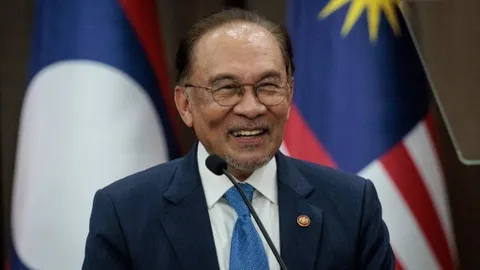
Anwar Ibrahim's role as ASEAN chair extended his political lifeline, transforming his image from an embattled domestic leader to a respected regional peacemaker amidst internal challenges.
His successful mediation in the Thai-Cambodian border dispute boosted ASEAN's centrality and relevance, demonstrating the bloc's capacity to broker peace and challenging its 'talk shop' reputation.
Anwar broke a long-standing deadlock by facilitating unprecedented direct, leader-level talks between Thailand and Cambodia, a significant departure from previous refusals of ASEAN mediation.
He skillfully balanced the influence of the US and China, bringing both superpowers to witness the ceasefire talks without allowing either to dominate, showcasing ASEAN's diplomatic dexterity.
Thailand's Education Ministry is implementing a four-pronged strategy to address its students' below-average performance in PISA 2025 and tackle significant educational inequality.
The plan prioritizes closing performance gaps by increasing funding for small and low-income schools, overhauling the curriculum to foster critical thinking, and adopting a data-driven management system to reduce teacher workload.
Key initiatives include enhancing school safety, combating cyberbullying, and expanding mental health support through peer-to-peer networks, recognizing the severe impact of distress on academic performance.
An education expert advises verifying if PISA improvements stem from structural changes, advocating for a revived STEM curriculum with practical 'learn by doing' methods, and urging bureaucratic reform to link teacher evaluations to student development.