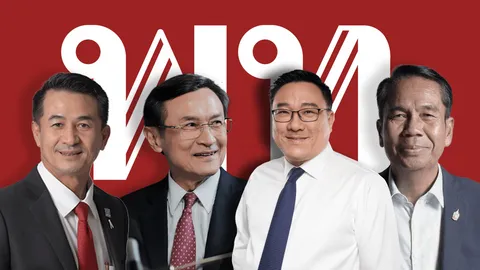
Pheu Thai party is set to elect a new leader following Paetongtarn Shinawatra's resignation, confronting historically low popularity ahead of an upcoming general election.
Four candidates are vying for the leadership: Chaturon Chaisang (pro-democracy advocate), Julapun Amornvivat (pragmatic, bridging generations), Suthin Klungsang (potential compromise), and Dr Cholnan Srikaew (stability, populist base).
The election presents a crucial strategic choice: either return to ideological roots (Chaturon) to rebuild trust or adopt a pragmatic, management-focused approach (Julapun) for effective governance.
This leadership decision is pivotal, as it will shape Pheu Thai's future direction, influence its prime ministerial candidates, and determine its ability to regain public confidence and solidify its identity for years to come.
Thailand's Education Ministry is implementing a four-pronged strategy to address its students' below-average performance in PISA 2025 and tackle significant educational inequality.
The plan prioritizes closing performance gaps by increasing funding for small and low-income schools, overhauling the curriculum to foster critical thinking, and adopting a data-driven management system to reduce teacher workload.
Key initiatives include enhancing school safety, combating cyberbullying, and expanding mental health support through peer-to-peer networks, recognizing the severe impact of distress on academic performance.
An education expert advises verifying if PISA improvements stem from structural changes, advocating for a revived STEM curriculum with practical 'learn by doing' methods, and urging bureaucratic reform to link teacher evaluations to student development.