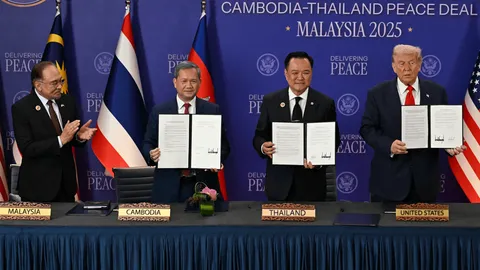
The Thai-Cambodian peace deal faces severe strain from recent border incidents, including a Thai soldier's injury from a landmine and alleged unprovoked shooting by Thai soldiers killing a Cambodian villager.
Political leaders in both Bangkok and Phnom Penh exploit these incidents to fuel public resentment, project strength, and divert attention from internal issues and electoral pressures.
The accord's future is grim, as domestic political agendas in both countries and international political rivalries (like US anti-Trump sentiment) create disincentives for genuine peace and amplify existing tensions.
Thailand's Education Ministry is implementing a four-pronged strategy to address its students' below-average performance in PISA 2025 and tackle significant educational inequality.
The plan prioritizes closing performance gaps by increasing funding for small and low-income schools, overhauling the curriculum to foster critical thinking, and adopting a data-driven management system to reduce teacher workload.
Key initiatives include enhancing school safety, combating cyberbullying, and expanding mental health support through peer-to-peer networks, recognizing the severe impact of distress on academic performance.
An education expert advises verifying if PISA improvements stem from structural changes, advocating for a revived STEM curriculum with practical 'learn by doing' methods, and urging bureaucratic reform to link teacher evaluations to student development.