Claim of deal between Pheu Thai and government over Thaksin’s petition for amnesty dismissed
Opposition determined to censure Cabinet under Section 151 of the charter, forcing a vote
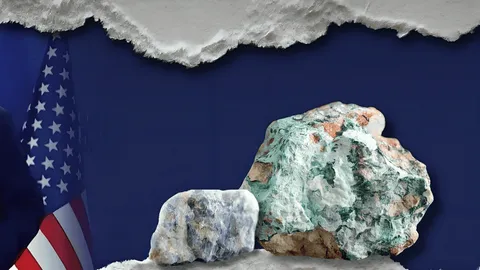
Who profits? The risks and rewards of Thailand’s rare-earth MOU
AI In-Brief
Thailand News in Brief
Thai PBS World
Thailand and the world, every day
AI can make mistakes. Please double-check.
AI In-brief11 Sept 05:03
Who profits? The risks and rewards of Thailand’s rare-earth MOU
Thailand's rare-earth MOU with the US ignites a national debate, pitting potential economic opportunities against severe environmental and public health risks from mining and processing operations.
Environmentalists and academics warn that Thailand's loose regulatory framework and existing mineral law could lead to the country becoming a 'green colony,' processing toxic rare-earth materials without fully realizing high-tech economic benefits.
Despite Thailand being a significant rare-earth producer, much of this involves processing imported ores, raising concerns about the nation's capacity and technology to safely manage the highly polluting extraction and refining processes.
Critics highlight Thailand's history of mining-related pollution and call for a national debate on the MOU, fearing it will exacerbate environmental degradation and compromise public health for the benefit of foreign interests.
AI In-briefToday 17:18
Opposition determined to censure Cabinet under Section 151 of the charter, forcing a vote
The Opposition plans to censure 18 Cabinet ministers, including the prime minister, under Section 151 of the Constitution.
This process mandates a post-debate vote, where ministers failing to secure majority parliamentary support will lose their Cabinet posts, with evidence being prepared for a December debate.