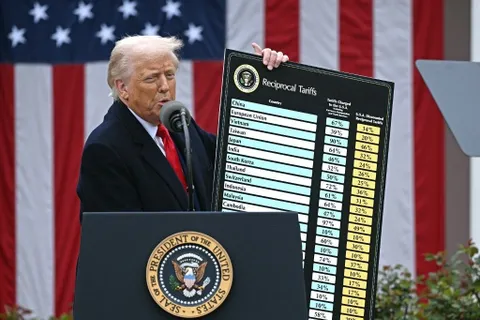
Thailand's export-dependent economy faces a significant slowdown, with growth forecasts at just 1.7% next year, compounded by the looming threat of US tariffs.
The US suspended trade negotiations after Thailand halted a peace agreement with Cambodia following border skirmishes, jeopardizing the 19% tariff reduction previously brokered by Trump.
Prime Minister Anutin's controversial statements downplaying US trade ties sparked diplomatic fallout, as economists warn Thailand cannot easily replace the US, its largest export market, with alternatives like China.
Despite potential leverage from rare earth elements and its strategic role in countering China, Thailand is urged to exercise caution with the unpredictable Trump administration to avoid higher tariffs.
The NESDC recommends urgent measures for Thailand, including reducing production costs, accelerating trade agreements, and ensuring compliance with US regulations to mitigate the severe economic impact of potential increased tariffs.
Thailand's Education Ministry is implementing a four-pronged strategy to address its students' below-average performance in PISA 2025 and tackle significant educational inequality.
The plan prioritizes closing performance gaps by increasing funding for small and low-income schools, overhauling the curriculum to foster critical thinking, and adopting a data-driven management system to reduce teacher workload.
Key initiatives include enhancing school safety, combating cyberbullying, and expanding mental health support through peer-to-peer networks, recognizing the severe impact of distress on academic performance.
An education expert advises verifying if PISA improvements stem from structural changes, advocating for a revived STEM curriculum with practical 'learn by doing' methods, and urging bureaucratic reform to link teacher evaluations to student development.