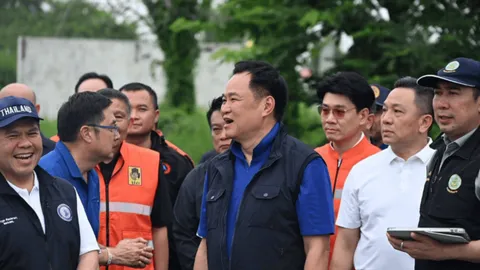
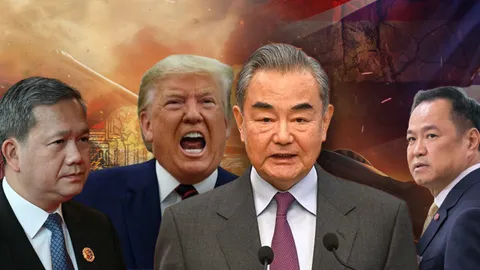
The Thailand-Cambodia conflict highlights a stark contrast between China's "Asian Way" of quiet, non-coercive diplomacy and the US's "Trump's Way" of pressure tactics and threats.
China's approach successfully fostered trust and cooperation by facilitating dialogue, offering practical aid (like demining), and avoiding public credit, leading to a joint statement focused on concrete steps.
US President Trump's intervention, which linked ceasefires to tariff threats, resulted in a quickly brokered deal that was not fully implemented and quickly violated, particularly regarding landmine incidents.
Thailand asserted its independent "Thai Way" foreign policy, prioritizing national sovereignty and demanding verified, full implementation of agreements, ultimately preferring China's non-coercive facilitation.
Thailand's Education Ministry is implementing a four-pronged strategy to address its students' below-average performance in PISA 2025 and tackle significant educational inequality.
The plan prioritizes closing performance gaps by increasing funding for small and low-income schools, overhauling the curriculum to foster critical thinking, and adopting a data-driven management system to reduce teacher workload.
Key initiatives include enhancing school safety, combating cyberbullying, and expanding mental health support through peer-to-peer networks, recognizing the severe impact of distress on academic performance.
An education expert advises verifying if PISA improvements stem from structural changes, advocating for a revived STEM curriculum with practical 'learn by doing' methods, and urging bureaucratic reform to link teacher evaluations to student development.