AI Reshapes Reality and Information: Artificial intelligence rapidly advanced, blurring the lines between real and fake content, providing instant answers, and raising both excitement and profound fears about its societal and ethical implications.
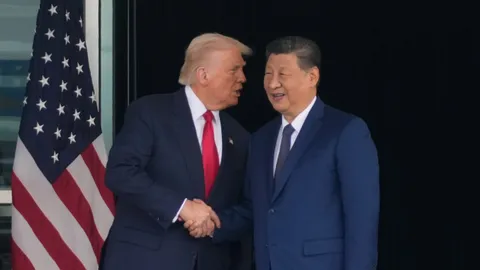
Geopolitical Landscape Undergoes Scrutiny: Global powers like the US and China faced unprecedented re-evaluation, with social media accelerating the exposure of contradictions and challenging conventional assumptions about international relations.
Traditional Authorities Decline Amidst New Revelations: The influence of mainstream media waned as social media empowered individuals to question established narratives, expose powerful figures' secrets, and access diverse information, leading to a breakdown of old taboos.
Humanity at a Crossroads of Progress and Peril: Significant advancements in AI, renewable energy, and gene therapy presented a future of immense potential, yet concurrent natural disasters and geopolitical tensions highlighted human vulnerability and an uncertain path forward.
Thailand's Education Ministry is implementing a four-pronged strategy to address its students' below-average performance in PISA 2025 and tackle significant educational inequality.
The plan prioritizes closing performance gaps by increasing funding for small and low-income schools, overhauling the curriculum to foster critical thinking, and adopting a data-driven management system to reduce teacher workload.
Key initiatives include enhancing school safety, combating cyberbullying, and expanding mental health support through peer-to-peer networks, recognizing the severe impact of distress on academic performance.
An education expert advises verifying if PISA improvements stem from structural changes, advocating for a revived STEM curriculum with practical 'learn by doing' methods, and urging bureaucratic reform to link teacher evaluations to student development.