Trump upset as key US partners shun call for Hormuz warship escorts
AI In-Brief
Thailand News in Brief
Thai PBS World
Thailand and the world, every day
AI can make mistakes. Please double-check.
Trump upset as key US partners shun call for Hormuz warship escorts
14 Sept 00:57Key points summarised by AI
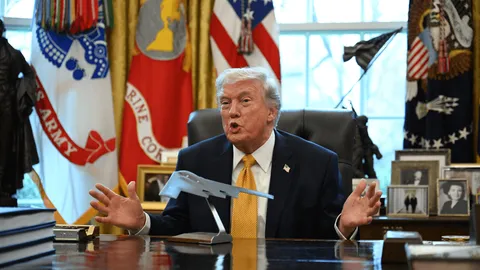
US allies, including Germany, Spain, and Italy, rejected President Trump's call to send warships to escort shipping through the Strait of Hormuz, citing a lack of international mandate and non-consultation on the US-Israeli war on Iran.
The ongoing US-Israeli conflict has largely shut down the Strait of Hormuz, a critical global oil and liquefied natural gas chokepoint, leading to rising energy prices and fears of inflation.
Israel outlined plans for extended military operations in Iran, targeting strategic infrastructure, while Iran retaliated with drone attacks on key facilities in the UAE and US bases in the region.
The escalating conflict has resulted in significant civilian casualties in Iran, with reports of hundreds killed, including children, and a UN investigation citing an Israeli strike on Evin prison as a war crime.
Despite severe disruptions to shipping and energy facilities, oil prices saw some relief and stocks rallied after the US indicated it would allow certain Iranian fuel vessels through the strait, and some tankers had already successfully navigated the waterway.
Thailand's Education Ministry is implementing a four-pronged strategy to address its students' below-average performance in PISA 2025 and tackle significant educational inequality.
The plan prioritizes closing performance gaps by increasing funding for small and low-income schools, overhauling the curriculum to foster critical thinking, and adopting a data-driven management system to reduce teacher workload.
Key initiatives include enhancing school safety, combating cyberbullying, and expanding mental health support through peer-to-peer networks, recognizing the severe impact of distress on academic performance.
An education expert advises verifying if PISA improvements stem from structural changes, advocating for a revived STEM curriculum with practical 'learn by doing' methods, and urging bureaucratic reform to link teacher evaluations to student development.