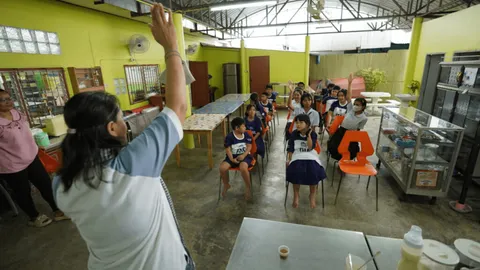
How rising nationalism is shattering dreams of migrant children in Thailand
AI In-Brief
Thailand News in Brief
Thai PBS World
Thailand and the world, every day
AI can make mistakes. Please double-check.
How rising nationalism is shattering dreams of migrant children in Thailand
15 Sept 04:21Key points summarised by AI
A surge in nationalist sentiment, fueled by public figures and petitions, threatens to revoke free education for non-Thai children, despite the Education Ministry's reaffirmation of their legal right to schooling.
Migrant children encounter significant educational barriers, including social prejudice, school refusal based on language or age, high travel costs, unsupportive environments, and the denial of graduation certificates, severely limiting their future prospects.
Advocates and officials stress that inclusive education for all children, regardless of nationality, aligns with Thai law, reduces social problems, addresses labor shortages, and enhances national security, with non-Thais also contributing to the economy.
Thai teachers face challenges in adapting to multicultural classrooms, requiring training beyond traditional Thai-Buddhist curricula to effectively support and integrate the growing number of students from diverse linguistic and cultural backgrounds.
Thailand's Education Ministry is implementing a four-pronged strategy to address its students' below-average performance in PISA 2025 and tackle significant educational inequality.
The plan prioritizes closing performance gaps by increasing funding for small and low-income schools, overhauling the curriculum to foster critical thinking, and adopting a data-driven management system to reduce teacher workload.
Key initiatives include enhancing school safety, combating cyberbullying, and expanding mental health support through peer-to-peer networks, recognizing the severe impact of distress on academic performance.
An education expert advises verifying if PISA improvements stem from structural changes, advocating for a revived STEM curriculum with practical 'learn by doing' methods, and urging bureaucratic reform to link teacher evaluations to student development.