PM backs southern fence plan, apologises for Muslim school remarks
AI In-Brief
Thailand News in Brief
Thai PBS World
Thailand and the world, every day
AI can make mistakes. Please double-check.
PM backs southern fence plan, apologises for Muslim school remarks
11 Sept 12:51Key points summarised by AI
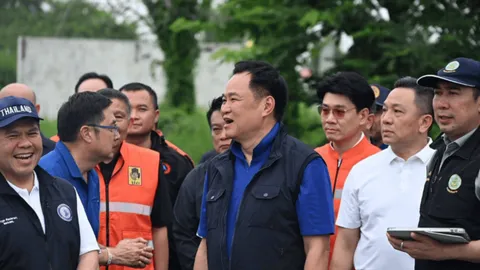
Prime Minister Anutin Charnvirakul endorsed the construction of fences along the Thai-Malaysian border in Narathiwat to curb illegal crossings, weapons smuggling, and drug trafficking, aiming to bolster security and public confidence.
During his visit to the southern border region, Anutin emphasized the principle of 'understand, access, develop' to address long-standing issues and improve the quality of life, noting a decline in security incidents during Ramadan.
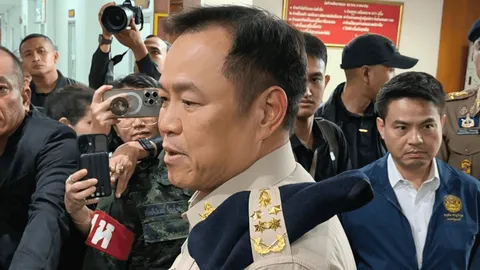
The Prime Minister issued a personal apology for controversial remarks made by Fourth Army Region commander Lt Gen Narathip Poynok, who linked Muslim educational institutions to violence, clarifying that the comments did not refer to all 'pondok' institutions and attributing them to stress.
Anutin also called for broader public participation in local development and promoted the region's unique multicultural identity, pledging government support for initiatives like the Malayu Raya 2026 festival.
Thailand's Education Ministry is implementing a four-pronged strategy to address its students' below-average performance in PISA 2025 and tackle significant educational inequality.
The plan prioritizes closing performance gaps by increasing funding for small and low-income schools, overhauling the curriculum to foster critical thinking, and adopting a data-driven management system to reduce teacher workload.
Key initiatives include enhancing school safety, combating cyberbullying, and expanding mental health support through peer-to-peer networks, recognizing the severe impact of distress on academic performance.
An education expert advises verifying if PISA improvements stem from structural changes, advocating for a revived STEM curriculum with practical 'learn by doing' methods, and urging bureaucratic reform to link teacher evaluations to student development.