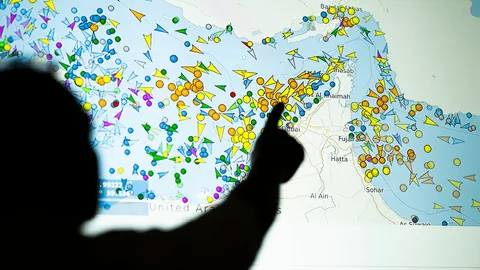
The ceasefire between the US and Iran is collapsing as both nations trade fire over the strategic Strait of Hormuz, threatening a return to full conflict.
The United Arab Emirates reported unprecedented missile and drone attacks from Iran, causing injuries and marking a dangerous escalation that directly threatens the state's security.
Iran asserts its control over the Strait of Hormuz, a critical oil transit point, while the US initiates 'Project Freedom' to escort vessels, leading to conflicting reports of sunken ships and warning shots.
Global oil prices surged over five percent following the attacks, intensifying economic pain worldwide and creating political challenges for the US administration.
Diplomatic efforts remain deadlocked, with both the US and Iran blaming each other, while other regional conflicts, like in Lebanon, also intensify.
Thailand's Education Ministry is implementing a four-pronged strategy to address its students' below-average performance in PISA 2025 and tackle significant educational inequality.
The plan prioritizes closing performance gaps by increasing funding for small and low-income schools, overhauling the curriculum to foster critical thinking, and adopting a data-driven management system to reduce teacher workload.
Key initiatives include enhancing school safety, combating cyberbullying, and expanding mental health support through peer-to-peer networks, recognizing the severe impact of distress on academic performance.
An education expert advises verifying if PISA improvements stem from structural changes, advocating for a revived STEM curriculum with practical 'learn by doing' methods, and urging bureaucratic reform to link teacher evaluations to student development.