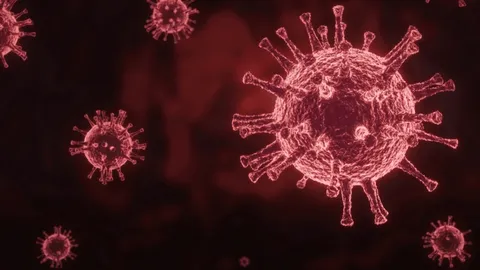
Thailand's National Communicable Diseases Committee ordered a comprehensive study to assess Hantavirus for classification as a dangerous communicable disease.
This initiative follows a cruise ship outbreak and acknowledges the virus's high mortality rate (30-40%) without a specific cure or vaccine.
Hantavirus transmits from rodents to humans through contact with urine, excrement, or saliva, but does not spread easily like COVID-19, with no reported cases in Thailand.
The infection presents as either Hemorrhagic Fever with Renal Syndrome (HFRS) or the more severe Hantavirus Pulmonary Syndrome (HPS), which carries a 20-50% mortality rate.
Thailand's Education Ministry is implementing a four-pronged strategy to address its students' below-average performance in PISA 2025 and tackle significant educational inequality.
The plan prioritizes closing performance gaps by increasing funding for small and low-income schools, overhauling the curriculum to foster critical thinking, and adopting a data-driven management system to reduce teacher workload.
Key initiatives include enhancing school safety, combating cyberbullying, and expanding mental health support through peer-to-peer networks, recognizing the severe impact of distress on academic performance.
An education expert advises verifying if PISA improvements stem from structural changes, advocating for a revived STEM curriculum with practical 'learn by doing' methods, and urging bureaucratic reform to link teacher evaluations to student development.