Policy vs reality: The true cost of Thailand’s ‘free’ education
AI In-Brief
Thailand News in Brief
Thai PBS World
Thailand and the world, every day
AI can make mistakes. Please double-check.
Policy vs reality: The true cost of Thailand’s ‘free’ education
10 Sept 11:31Key points summarised by AI
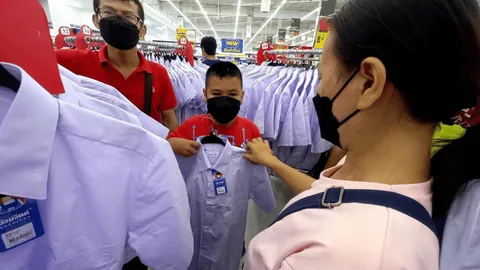
Thailand's '15 years of free education' policy is a slogan, not a reality, as low-income families face significant hidden fees for uniforms, courses, and supplies, leading to record-high back-to-school spending.
These hidden costs create immense financial strain, forcing many parents into debt and contributing to staggering dropout rates (over 600,000 in 2025) among children from impoverished households.
Lax enforcement and insufficient government subsidies allow schools to exploit loopholes, charging 'mandatory' fees for extras and undermining the policy's intent, thereby exacerbating educational inequality.
While some immediate measures are proposed, critics demand fundamental structural reforms, including reallocating budgets and preventing schools from penalizing students for unpaid bills, to truly bridge the education gap and secure children's futures.
Thailand's Education Ministry is implementing a four-pronged strategy to address its students' below-average performance in PISA 2025 and tackle significant educational inequality.
The plan prioritizes closing performance gaps by increasing funding for small and low-income schools, overhauling the curriculum to foster critical thinking, and adopting a data-driven management system to reduce teacher workload.
Key initiatives include enhancing school safety, combating cyberbullying, and expanding mental health support through peer-to-peer networks, recognizing the severe impact of distress on academic performance.
An education expert advises verifying if PISA improvements stem from structural changes, advocating for a revived STEM curriculum with practical 'learn by doing' methods, and urging bureaucratic reform to link teacher evaluations to student development.