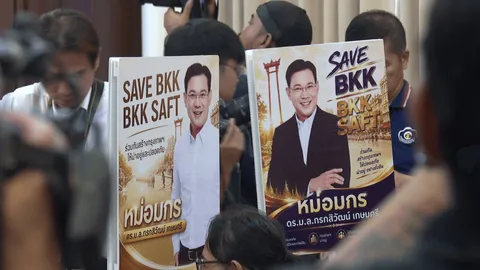
ML Kornkasiwat Kasemsri, an independent candidate, pledges to transform Bangkok into a 'safe city' using advanced AI for anti-crime measures, including facial recognition via an expanded 500,000-camera CCTV network to identify fugitives.
His platform emphasizes robust disaster preparedness, proposing upgrades for buildings to withstand magnitude 7 earthquakes, comprehensive emergency drills, and a direct mobile phone alert system for residents.
To combat flooding, Kornkasiwat introduces a 'sponge city' concept, featuring permeable sidewalks, water-retention parks, and AI-controlled pumping stations for efficient rainfall management, alongside canal dredging.
Further proposals include deploying firefighting drones for high-rise emergencies, implementing AI-managed traffic systems at 578 intersections, creating an integrated public transport ticketing system, and enhancing anti-corruption measures for transparent city budget monitoring.
Thailand's Education Ministry is implementing a four-pronged strategy to address its students' below-average performance in PISA 2025 and tackle significant educational inequality.
The plan prioritizes closing performance gaps by increasing funding for small and low-income schools, overhauling the curriculum to foster critical thinking, and adopting a data-driven management system to reduce teacher workload.
Key initiatives include enhancing school safety, combating cyberbullying, and expanding mental health support through peer-to-peer networks, recognizing the severe impact of distress on academic performance.
An education expert advises verifying if PISA improvements stem from structural changes, advocating for a revived STEM curriculum with practical 'learn by doing' methods, and urging bureaucratic reform to link teacher evaluations to student development.