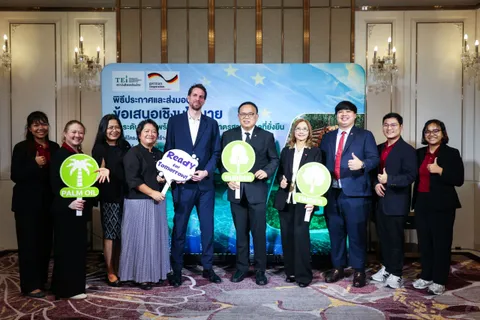
Thailand readies farm exports for greener trade practices
AI In-Brief
Thailand News in Brief
Thai PBS World
Thailand and the world, every day
AI can make mistakes. Please double-check.
Thailand readies farm exports for greener trade practices
14 Sept 04:38Key points summarised by AI
Thai agricultural exporters face growing pressure from new European sustainability and due diligence regulations, especially the EU Deforestation Regulation (EUDR), demanding proof of deforestation-free and legal sourcing.
Major export sectors like rubber and palm oil, with complex supply chains involving many small farmers, are particularly impacted and must provide reliable traceability and environmental data.
The "FIT for FAIR Thailand" project is actively preparing the country and its businesses for these stringent EU trade standards, including developing a National EUDR Single Window for traceability and geolocation data.
Compliance requires robust data systems and coordination from the farm level, with the project delivering policy recommendations and a national traceability roadmap to ensure continued access to key export markets.
Thailand's Education Ministry is implementing a four-pronged strategy to address its students' below-average performance in PISA 2025 and tackle significant educational inequality.
The plan prioritizes closing performance gaps by increasing funding for small and low-income schools, overhauling the curriculum to foster critical thinking, and adopting a data-driven management system to reduce teacher workload.
Key initiatives include enhancing school safety, combating cyberbullying, and expanding mental health support through peer-to-peer networks, recognizing the severe impact of distress on academic performance.
An education expert advises verifying if PISA improvements stem from structural changes, advocating for a revived STEM curriculum with practical 'learn by doing' methods, and urging bureaucratic reform to link teacher evaluations to student development.