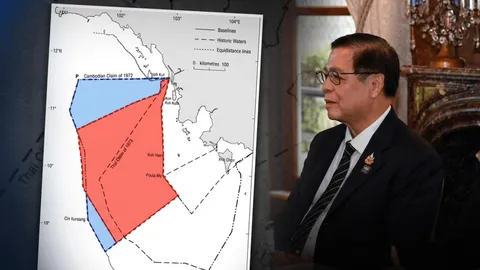
Cambodia's decision to invoke compulsory conciliation under UNCLOS has fundamentally shifted its maritime dispute with Thailand from bilateral negotiations to an international legal process.
Thailand, which preferred direct talks for flexibility and compromise, expressed diplomatic disapproval of Cambodia's method but affirmed its confidence in its legal position within the UNCLOS framework.
The dispute is now strictly focused on maritime boundary delimitation, separating it from broader political considerations or proposals for joint development arrangements.
This new legal trajectory risks freezing overall bilateral relations, causing economic and social disruptions, and may lead to a lengthy process with an uncertain final outcome, potentially returning both nations to negotiations.
Despite the legal contest, both countries are urged to prevent this single dispute from dominating their entire relationship and to continue seeking common ground for ameliorating ties.
Thailand's Education Ministry is implementing a four-pronged strategy to address its students' below-average performance in PISA 2025 and tackle significant educational inequality.
The plan prioritizes closing performance gaps by increasing funding for small and low-income schools, overhauling the curriculum to foster critical thinking, and adopting a data-driven management system to reduce teacher workload.
Key initiatives include enhancing school safety, combating cyberbullying, and expanding mental health support through peer-to-peer networks, recognizing the severe impact of distress on academic performance.
An education expert advises verifying if PISA improvements stem from structural changes, advocating for a revived STEM curriculum with practical 'learn by doing' methods, and urging bureaucratic reform to link teacher evaluations to student development.