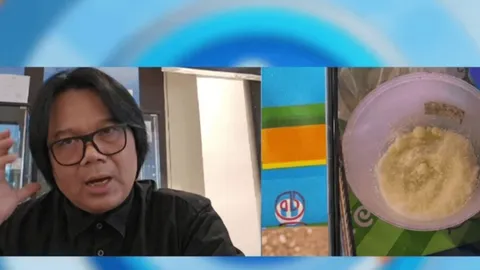
“Salt” that sickened Udon Thani noodle diners a toxic chemical, expert warns
AI In-Brief
Thailand News in Brief
Thai PBS World
Thailand and the world, every day
AI can make mistakes. Please double-check.
“Salt” that sickened Udon Thani noodle diners a toxic chemical, expert warns
13 Sept 21:27Key points summarised by AI
A chemist confirmed that a mysterious white substance, used as seasoning in Udon Thani noodles, is a toxic chemical, not cooking salt, after multiple diners suffered severe food poisoning.
Preliminary assessments suggest the hazardous compound could be borax or high concentrations of nitrate/nitrite salts, both strictly prohibited in food due to their high toxicity.
Ingesting these chemicals can cause acute food poisoning, interfere with red blood cells' ability to transport oxygen, leading to dizziness, and a rapid drop in blood pressure.
Authorities are actively investigating the source of the chemical, which was reportedly scavenged and mistakenly added to noodle broth by the shop owner, believing it to be standard salt.
Thailand's Education Ministry is implementing a four-pronged strategy to address its students' below-average performance in PISA 2025 and tackle significant educational inequality.
The plan prioritizes closing performance gaps by increasing funding for small and low-income schools, overhauling the curriculum to foster critical thinking, and adopting a data-driven management system to reduce teacher workload.
Key initiatives include enhancing school safety, combating cyberbullying, and expanding mental health support through peer-to-peer networks, recognizing the severe impact of distress on academic performance.
An education expert advises verifying if PISA improvements stem from structural changes, advocating for a revived STEM curriculum with practical 'learn by doing' methods, and urging bureaucratic reform to link teacher evaluations to student development.