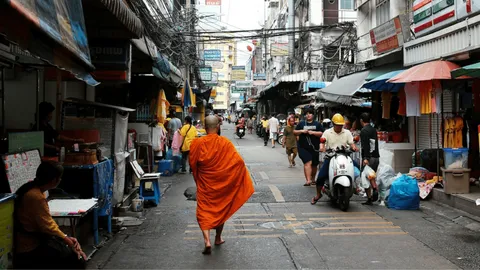
The 'Thailand Blues' describes the deep melancholy tourists feel when leaving Thailand, initially linked to attractions like food and beaches, but the article proposes a more profound, underlying cause.
The core reason for this emotional attachment is attributed to Thailand's pervasive Buddhist culture, which fosters an environment of unconditional kindness, compassion, and non-judgment towards all, regardless of faith, race, or gender.
This Buddhist ethos manifests in daily life through high levels of trust (e.g., unguarded belongings, deferred payments), genuine hospitality, and a profound sense of appreciation (e.g., teachers feeling valued by students).
Visitors experience a unique sense of safety, acceptance, and belonging in Thailand, where they feel truly themselves and valued, leading to a significant emotional void upon returning to cultures that often lack such pervasive warmth and trust.
Thailand's Education Ministry is implementing a four-pronged strategy to address its students' below-average performance in PISA 2025 and tackle significant educational inequality.
The plan prioritizes closing performance gaps by increasing funding for small and low-income schools, overhauling the curriculum to foster critical thinking, and adopting a data-driven management system to reduce teacher workload.
Key initiatives include enhancing school safety, combating cyberbullying, and expanding mental health support through peer-to-peer networks, recognizing the severe impact of distress on academic performance.
An education expert advises verifying if PISA improvements stem from structural changes, advocating for a revived STEM curriculum with practical 'learn by doing' methods, and urging bureaucratic reform to link teacher evaluations to student development.