Chiang Mai authorities faced scrutiny for allocating 100 million baht to an annual flower festival while dedicating a mere 170,000 baht from a 2-billion-baht budget to combat the chronic PM2.5 air pollution crisis.
The Provincial Administrative Organisation (PAO) spent heavily on the flower festival with no direct budget for PM2.5, alongside approving over 200 projects under 500,000 baht each, bypassing standard procurement.
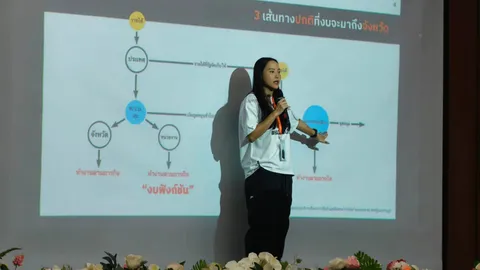
The 'Hack Budget 70 Chiang Mai' seminar exposed these discrepancies, aiming to boost civic oversight and ensure future budget allocations directly address urgent public needs, rather than non-essential events.
Thailand's Education Ministry is implementing a four-pronged strategy to address its students' below-average performance in PISA 2025 and tackle significant educational inequality.
The plan prioritizes closing performance gaps by increasing funding for small and low-income schools, overhauling the curriculum to foster critical thinking, and adopting a data-driven management system to reduce teacher workload.
Key initiatives include enhancing school safety, combating cyberbullying, and expanding mental health support through peer-to-peer networks, recognizing the severe impact of distress on academic performance.
An education expert advises verifying if PISA improvements stem from structural changes, advocating for a revived STEM curriculum with practical 'learn by doing' methods, and urging bureaucratic reform to link teacher evaluations to student development.