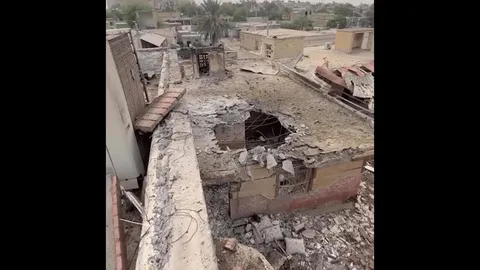
Iran's top negotiator calls US 'Satan' after wedding attack
AI In-Brief
Thailand News in Brief
Thai PBS World
Thailand and the world, every day
AI can make mistakes. Please double-check.
Iran's top negotiator calls US 'Satan' after wedding attack
13 Sept 18:38Key points summarised by AI
Iran's top negotiator, Mohammad Bagher Ghalibaf, branded the United States as "Satan" following a deadly attack on a wedding ceremony in southern Iran that killed at least four people and wounded dozens.
Ghalibaf accused the US of acting like "Satan" and shielding "junior Satan" (referring to Israel), linking the wedding attack to other deadly incidents in Iran amidst the Middle East war.
In retaliation for the wedding attack, Iran launched drone and missile strikes against US bases located across the Middle East, including in Bahrain, Kuwait, the UAE, and Iraq's Kurdistan region.
The US military, via CENTCOM spokesman Tim Hawkins, denied targeting civilians, asserting that "the US military never targets civilians, unlike the IRGC."
Thailand's Education Ministry is implementing a four-pronged strategy to address its students' below-average performance in PISA 2025 and tackle significant educational inequality.
The plan prioritizes closing performance gaps by increasing funding for small and low-income schools, overhauling the curriculum to foster critical thinking, and adopting a data-driven management system to reduce teacher workload.
Key initiatives include enhancing school safety, combating cyberbullying, and expanding mental health support through peer-to-peer networks, recognizing the severe impact of distress on academic performance.
An education expert advises verifying if PISA improvements stem from structural changes, advocating for a revived STEM curriculum with practical 'learn by doing' methods, and urging bureaucratic reform to link teacher evaluations to student development.