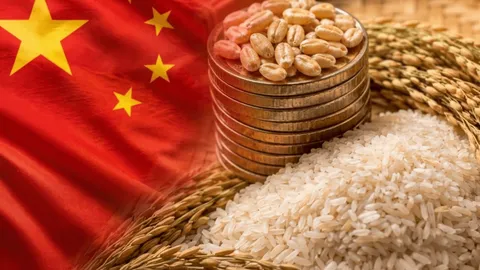
China's food security strategy is leading to a significant reduction in farm imports, particularly for rice and sugar, prompting Thai exporters to monitor market trends and explore new markets.
China's agricultural sector saw unprecedented growth, with cereal output reaching 715 million tonnes and meat production exceeding 100 million tonnes, resulting in sharp declines in maize and wheat imports.
While Thai rice and sugar exports face shrinking prospects, Thai fruits, meat, and seafood maintain bright opportunities in China, provided fruit growers enhance product quality to meet consumer demand.
Projections indicate China's rice imports will drop by 9.01% annually by 2035, while its rice exports are expected to increase, intensifying competition for Thai rice in global markets.
Thailand's Education Ministry is implementing a four-pronged strategy to address its students' below-average performance in PISA 2025 and tackle significant educational inequality.
The plan prioritizes closing performance gaps by increasing funding for small and low-income schools, overhauling the curriculum to foster critical thinking, and adopting a data-driven management system to reduce teacher workload.
Key initiatives include enhancing school safety, combating cyberbullying, and expanding mental health support through peer-to-peer networks, recognizing the severe impact of distress on academic performance.
An education expert advises verifying if PISA improvements stem from structural changes, advocating for a revived STEM curriculum with practical 'learn by doing' methods, and urging bureaucratic reform to link teacher evaluations to student development.