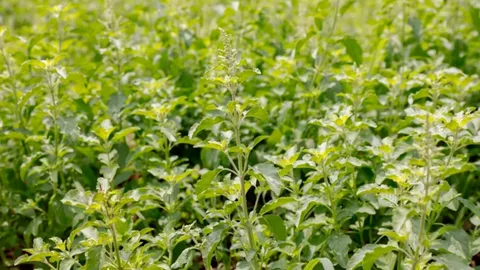
Holy basil registration will not restrict native varieties - CPRAM
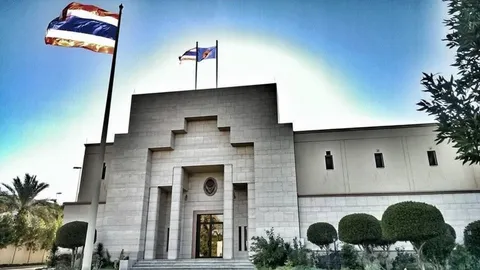
Thai Embassy warns nationals after deadly attack on Saudi airport
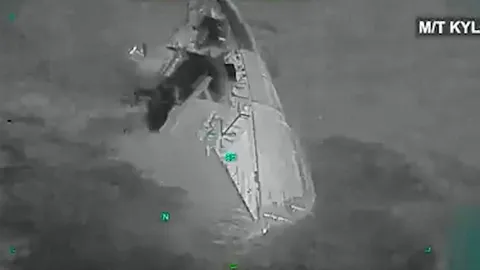
Iran attacks US base in Jordan, ships near Hormuz after tankers sunk
AI In-Brief
Thailand News in Brief
Thai PBS World
Thailand and the world, every day
AI can make mistakes. Please double-check.
Iran attacks US base in Jordan, ships near Hormuz after tankers sunk
9 Sept 14:34Key points summarised by AI
Iran's Revolutionary Guard launched ballistic missiles at a US base in Jordan and attacked 10 ships near the Strait of Hormuz.
These actions were a direct retaliation after the US military destroyed five Iranian oil tankers, marking a significant escalation in the six-month-old conflict.
While Iran claimed heavy damage, the US reported its troops were unharmed and Jordan intercepted most missiles; the US stated its tanker strikes targeted a network funding Iran's IRGC.
The escalating tensions have impacted regional stability, driven oil prices higher, and included Houthi attacks on Saudi Arabia, further widening the conflict.
Thai Embassy warns nationals after deadly attack on Saudi airport
Yesterday 19:13Key points summarised by AI
The Thai Embassy in Saudi Arabia issued a warning for its nationals in Dammam and surrounding areas to temporarily avoid King Fahd International Airport following a deadly attack on October 21.
The advisory emphasizes high security risks, urging Thais to avoid the airport and energy infrastructure facilities, while continuing daily life with caution in public places.
Nationals are strongly advised to strictly follow instructions from Saudi authorities and contact the embassy or consulate for assistance.
This warning coincides with escalating hostilities and repeated attacks by Yemen’s Iran-backed Houthi group on Saudi targets.
The United States has also ordered non-essential staff and their families to leave its embassy in Saudi Arabia due to increasing Houthi hostilities, including attacks on civilian infrastructure.