Food industry expansion slows amid surging costs and weak consumer spending
Thailand’s EV demand challenges its ‘Detroit of Asia’ ambitions
AI In-Brief
Thailand News in Brief
Thai PBS World
Thailand and the world, every day
AI can make mistakes. Please double-check.
AI In-brief12 Sept 09:18
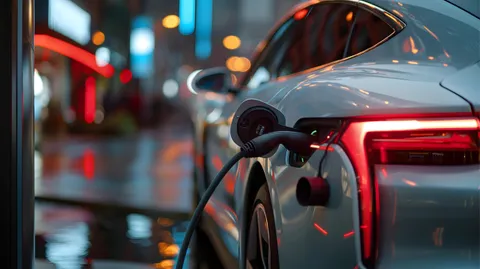
Thailand’s EV demand challenges its ‘Detroit of Asia’ ambitions
Rapid EV Adoption Fuels Import Reliance: Thailand's surging EV demand, spurred by consumer interest and government incentives, primarily benefits foreign manufacturers, with over 60% of EVs imported, largely from China.
Undermining Local Automotive Hub Status: This heavy reliance on imports threatens Thailand's historical role as the 'Detroit of Asia' by failing to stimulate domestic EV manufacturing and weakening its established automotive supply chain.
Policy Gaps Hinder Local Production: Current tax policies, including zero import duty for Chinese EVs and insufficient incentives for local production, fail to encourage significant investment in domestic EV manufacturing and component development.
Strategic Reforms Needed for Domestic Growth: Experts urge the government to implement stronger measures like a 3-Tier tax structure, higher local content requirements, and R&D investment to build a competitive local EV industry and secure its future as a regional hub.
AI In-briefYesterday 16:18
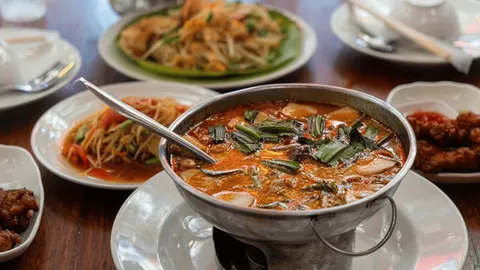
Food industry expansion slows amid surging costs and weak consumer spending
Thailand's food and beverage market is projected to grow 3.9% to 682 billion baht by 2026, yet this growth rate continues to decelerate.
Operational costs are surging, with production expenses up over 20% and logistics over 70%, severely squeezing profit margins for businesses.
Weak consumer spending and intense competition compel businesses to innovate, diversify sales channels, and target younger demographics to maintain competitiveness.
Government efforts are underway to support food operators by upgrading skills, creating market opportunities, and establishing vital business networks.