Prachin Buri residents oppose expansion of EEC into the province
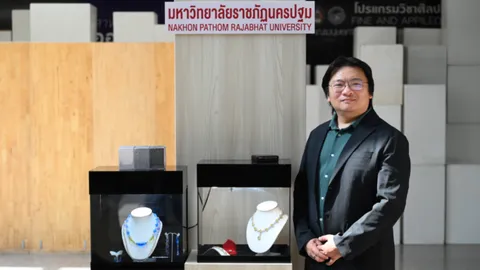
Sugarcane waste turned into Dvaravati-inspired glass jewellery
AI In-Brief
Thailand News in Brief
Thai PBS World
Thailand and the world, every day
AI can make mistakes. Please double-check.
AI In-brief23 Sept 17:20
Sugarcane waste turned into Dvaravati-inspired glass jewellery
Researchers at Nakhon Pathom Rajabhat University successfully transform sugarcane leaf ash, a major agricultural waste product causing severe air pollution, into high-value glass jewellery.
The innovative process utilizes the ash's high silica content to create a glass mixture that melts at lower temperatures than typical industrial glass, significantly reducing energy consumption and production costs.
The resulting glass is crafted into prototype jewellery, including bangles and necklaces, inspired by ancient Dvaravati cultural motifs, offering both commercial value and a unique aesthetic.
This initiative provides economic opportunities for local communities by enabling artisans to produce and sell jewellery with strong profit margins, while also addressing environmental concerns related to agricultural burning and expanding into global supply chains.
AI In-briefYesterday 12:24
Prachin Buri residents oppose expansion of EEC into the province
Prachin Buri residents vehemently oppose the planned expansion of the Eastern Economic Corridor (EEC) and "dirty" industries into their province, demanding the closure of recycling facilities and removal of industrial waste.
Locals report severe environmental contamination from industrial waste, which leaked into natural watercourses and farmland during recent flooding, raising serious concerns about water safety for consumption and crops.
The Metropolitan Waterworks Authority (MWA) assures consumers in Bangkok, Nonthaburi, and Samut Prakan that their tap water remains unaffected, as their supply originates from the Chao Phraya and Mae Klong rivers, not the polluted Bang Pakong River.