Police to charge protest leaders for breaching state of emergency
October 6 crackdown: Thailand’s unhealed wound
PM says Thai PBS funding change is a matter for parliament
AI In-Brief
Thailand News in Brief
Thai PBS World
Thailand and the world, every day
AI can make mistakes. Please double-check.
PM says Thai PBS funding change is a matter for parliament
Today 07:14Key points summarised by AI
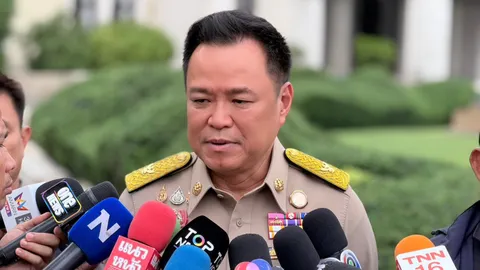
Prime Minister Anutin Charnvirakul stated that the proposal to shift funding for Thai PBS and three other public organizations from 'sin taxes' to state budget allocations is now a matter for parliamentary consideration, sidestepping concerns about potential government interference.
The proposed amendments, initiated by a Bhumjaithai MP, aim to change the funding arrangements for Thai PBS, the Thai Health Promotion Foundation, the Older Persons Fund, and the National Sports Development Fund, moving them from earmarked alcohol and tobacco taxes to the annual state budget.
Government spokesman Ekkapob Pianpises defended the proposal, asserting it would enhance transparency and public scrutiny of spending without altering the administrative structure of organizations like Thai PBS, ensuring greater accountability to the people.
Ekkapob emphasized that the shift would mandate greater disclosure of expenditures, contrasting it with current practices of Thai PBS and ThaiHealth, and reassured that state funding would not lead to government control, citing the National Health Security Office as a comparable example.
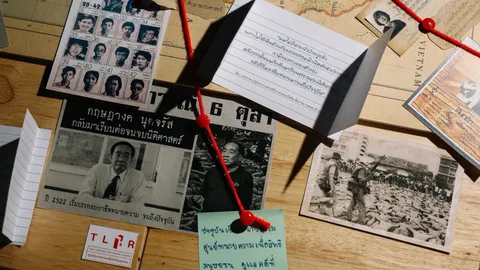
October 6 crackdown: Thailand’s unhealed wound
Yesterday 19:10Key points summarised by AI
On October 6, 1976, Thai security forces and right-wing paramilitaries brutally killed scores of student protesters at Thammasat University who were demonstrating against the return of an exiled dictator.
Despite the horrific violence and high death toll, no one has ever been prosecuted for the massacre, with a blanket amnesty granted in 1978, leaving a deep, unaddressed wound in Thai society.
The incident occurred amidst Cold War anti-communist fervor and intense political polarization, with critics arguing the lack of justice perpetuates a culture of impunity that hinders national reconciliation.
Survivors and historians advocate for 'transitional justice,' including uncovering historical facts, prosecuting offenders, providing reparations, and reforming state institutions, to acknowledge past wrongs and prevent future violence.