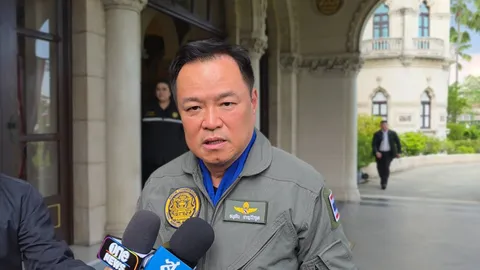
PM optimistic US tariff ceiling on Thai goods will stay at 18%
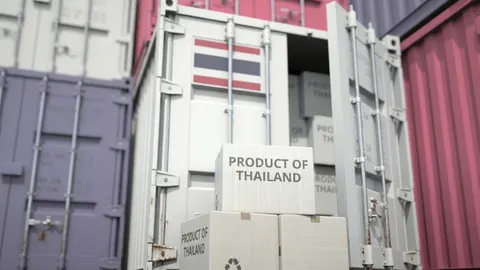
Over 2,000 Thai export types proposed for US Section 301 tariff exemption
World Bank in talks with dozens of countries about crisis aid, Banga says
AI In-Brief
Thailand News in Brief
Thai PBS World
Thailand and the world, every day
AI can make mistakes. Please double-check.
AI In-brief11 Oct 17:12
World Bank in talks with dozens of countries about crisis aid, Banga says
The World Bank is engaging 30-40 countries in discussions for crisis aid to help them manage energy shocks and price increases exacerbated by the Middle East conflict.
Developing nations face mounting challenges from rising diesel and fertilizer prices, alongside the looming super El Niño, driving increased interest in World Bank funds.
The World Bank has made an initial $25 billion in crisis funds available, with the potential to expand support up to $100 billion by reallocating existing project resources if global conditions worsen.
The Bank attracted a record $112 billion in private capital in the last year, supplementing its own $123 billion in direct investments to address global development needs.
Collaborating with the IMF, the World Bank is actively pursuing initiatives to address high debt levels in developing countries, including implementing debt-for-development swaps and portfolio-based guarantees.
AI In-briefYesterday 11:06
Over 2,000 Thai export types proposed for US Section 301 tariff exemption
The US Trade Representative (USTR) has proposed exempting over 2,000 Thai export items, accounting for roughly 50% of Thailand's total export value to the US, from Section 301 tariffs.
The extensive exemption list includes major agricultural products (e.g., durian, mangosteen), natural rubber, electronics (e.g., smartphones, laptops), precious metals, and energy items.
Thailand plans to advocate for exemptions on an additional 15 product categories, such as rice, shrimp, and rubber gloves, aiming to bolster the competitiveness of its exports.
While exempted from Section 301 tariffs, goods remain subject to regular customs duties, and exporters are urged to verify specific Harmonized Tariff Schedule of the United States (HTSUS) codes and requirements.