2024 Thai government and minister nicknames explained
Speculation growing over merger between Bhumjaithai and Kla Tham parties
Civic groups oppose plan to shift Thai PBS, three other bodies to state budget
AI In-Brief
Thailand News in Brief
Thai PBS World
Thailand and the world, every day
AI can make mistakes. Please double-check.
Civic groups oppose plan to shift Thai PBS, three other bodies to state budget
Today 17:04Key points summarised by AI
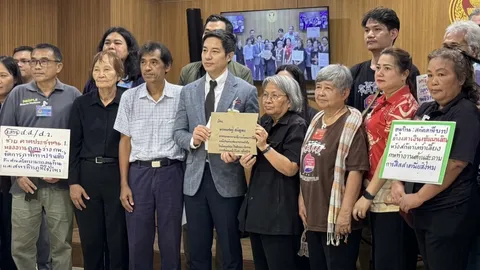
Civic groups, including those representing labourers and older people, submitted a protest letter demanding the Bhumjaithai Party withdraw bills to shift funding for four organizations (Thai PBS, Older Persons Fund, Thai Health Promotion Foundation, Sports Authority of Thailand) from earmarked taxes to the central government budget.
Leaders argue these organizations were established for public interest, supporting public service media, elder care, public health, and sports development, and any amendments should consider all stakeholders' views.
Over 70% of parliamentary poll respondents opposed the proposed changes, prompting civic leaders to call on the ruling party to respect the people's will and withdraw the bills.
A network of slum dwellers also opposes the funding changes, threatening a rally if the government fails to address their demands.
Speculation growing over merger between Bhumjaithai and Kla Tham parties
Yesterday 16:46Key points summarised by AI
A dinner between Bhumjaithai leader Anutin Charnvirakul and Kla Tham leader Capt. Thamanat Prompow ignited widespread speculation about a potential merger between their parties.
The meeting is viewed as a strategic message to coalition partner Pheu Thai, indicating Bhumjaithai's alternative options following Pheu Thai's chief whip's remarks about not fully defending all ministers in the upcoming no-confidence debate.
A direct merger between parties with sitting MPs is currently prohibited by Section 99 of the Constitution until the House's term expires, though MPs can switch parties through dismissal or party dissolution.
These constitutional rules aim to prevent financially strong parties from easily absorbing smaller ones, a practice that historically led to single-party dominance, as seen with Thai Rak Thai's 2005 election victory.