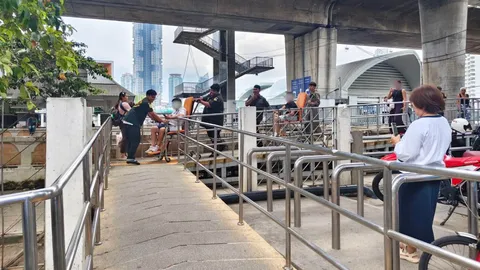
Eight injured as passenger boat strikes pier in Bangkok
Bangkok becomes stage for grassroots vs globalists, but will IMF-WB change its approach?
Can Thailand’s latest amnesty heal 20 years of political division?
AI In-Brief
Thailand News in Brief
Thai PBS World
Thailand and the world, every day
AI can make mistakes. Please double-check.
Can Thailand’s latest amnesty heal 20 years of political division?
Today 15:02Key points summarised by AI
Thailand has initiated a high-profile reconciliation effort through a new amnesty law and a nine-member committee to address two decades of intense political conflict.
The amnesty exonerates individuals for non-serious political offenses committed between January 2005 and July 2023, potentially benefiting thousands by waiving investigations, charges, and criminal records.
However, the law excludes charges related to lese majesté (royal insult), corruption, or crimes resulting in death or serious injury, a point of contention as critics argue this omission undermines genuine reconciliation, particularly for student activists.
The Peaceful Society Promotion Committee is tasked with establishing a framework and reviewing applications within a 180-day deadline, with advocates emphasizing transparency as crucial for building trust and achieving lasting peace.
Bangkok becomes stage for grassroots vs globalists, but will IMF-WB change its approach?
Today 17:08Key points summarised by AI
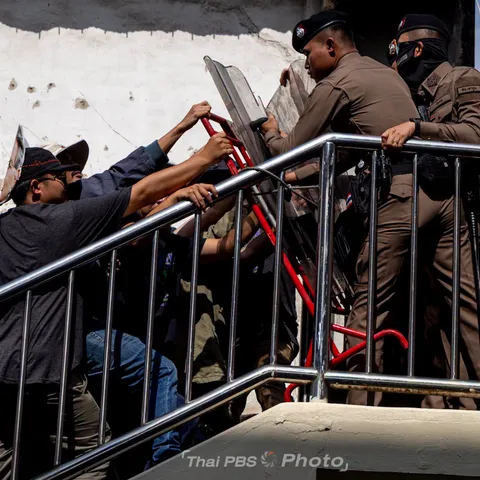
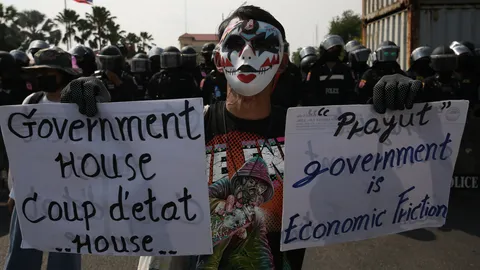
Grassroots protests in Bangkok confronted IMF-World Bank meetings, spotlighting the enduring conflict between global financial interests and local communities harmed by development projects.
Farmers from Ubon Ratchathani, devastated by the World Bank-financed Pak Mun Dam for decades, demanded accountability for submerged lands and disrupted livelihoods, highlighting inadequate compensation.
Experts expressed skepticism that the protests would prompt significant policy shifts from global institutions, noting a tendency to view such impacts as domestic issues despite direct engagement with IMF officials.
The high-level meetings primarily focused on broader global economic challenges, including rising energy prices, high sovereign debt, geopolitical conflicts, and the dual impact of artificial intelligence.
Thailand, as host, showcased its economic integration into AI supply chains and introduced the "Bangkok Blueprint" to combat digital financial fraud, emphasizing responsible innovation and international cooperation.