Image of U.S. soldier captured by Iran found to be AI-generated
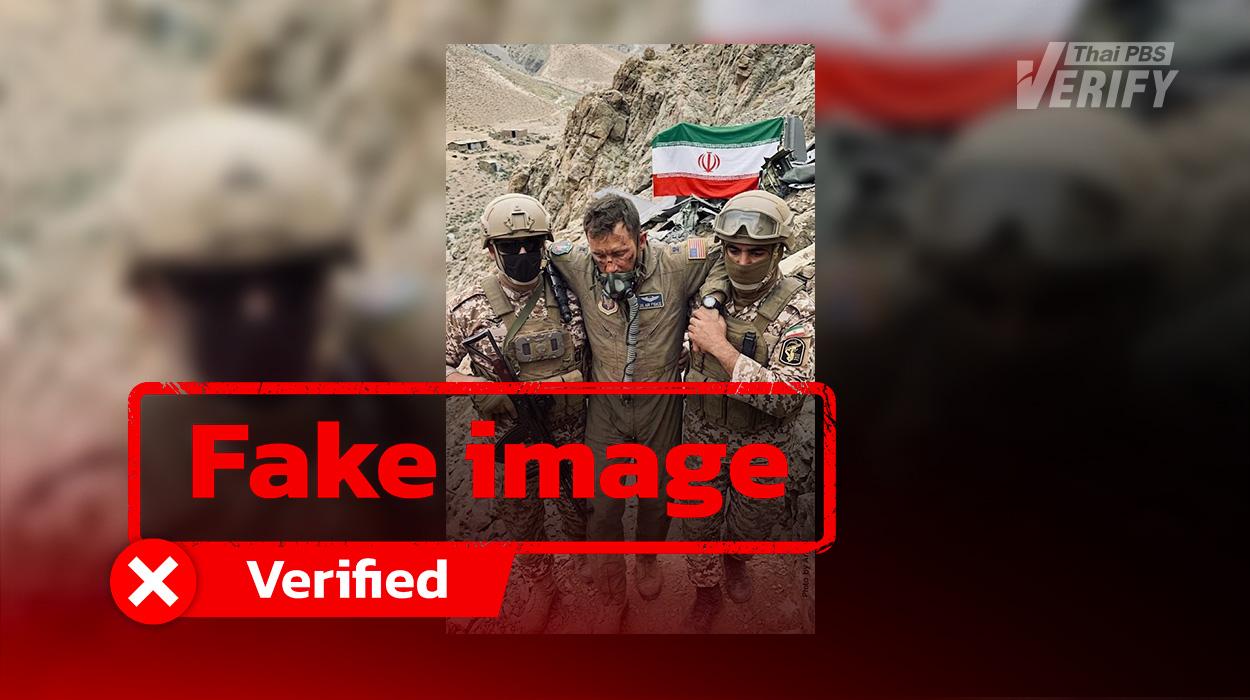
Thai PBS Verify found the fake image on: X
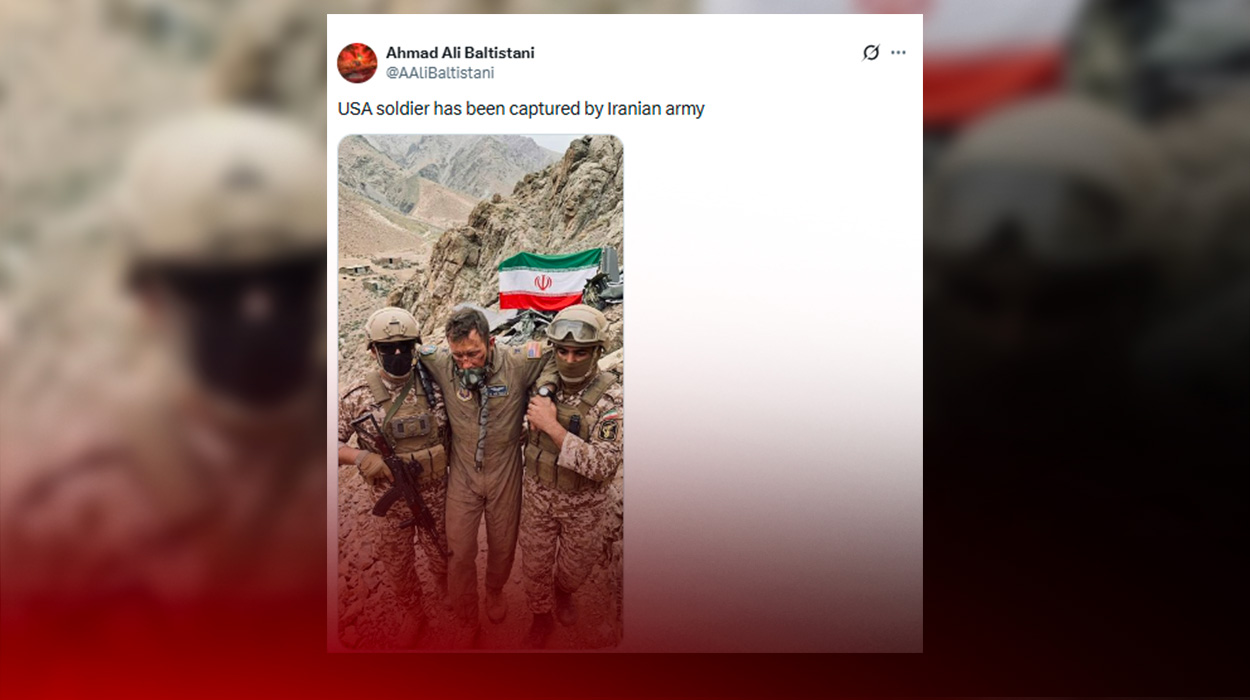
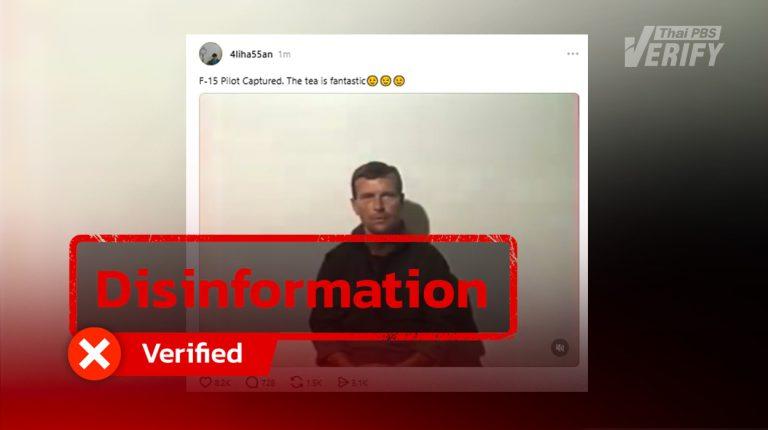
Thai PBS Verify found a post, published on April 5, 2026, claiming that a U.S. soldier was captured by the Iranian military following the crash of a U.S. F-15 fighter jet. The post’s caption reads: “USA soldier has been captured by Iranian army.”
The image of the U.S. soldier allegedly captured by Iran is not real
When the image was examined by Google Lens, no matching results were found in reports from credible international news agencies. Information related to the image also indicated that it had been generated with Google AI.
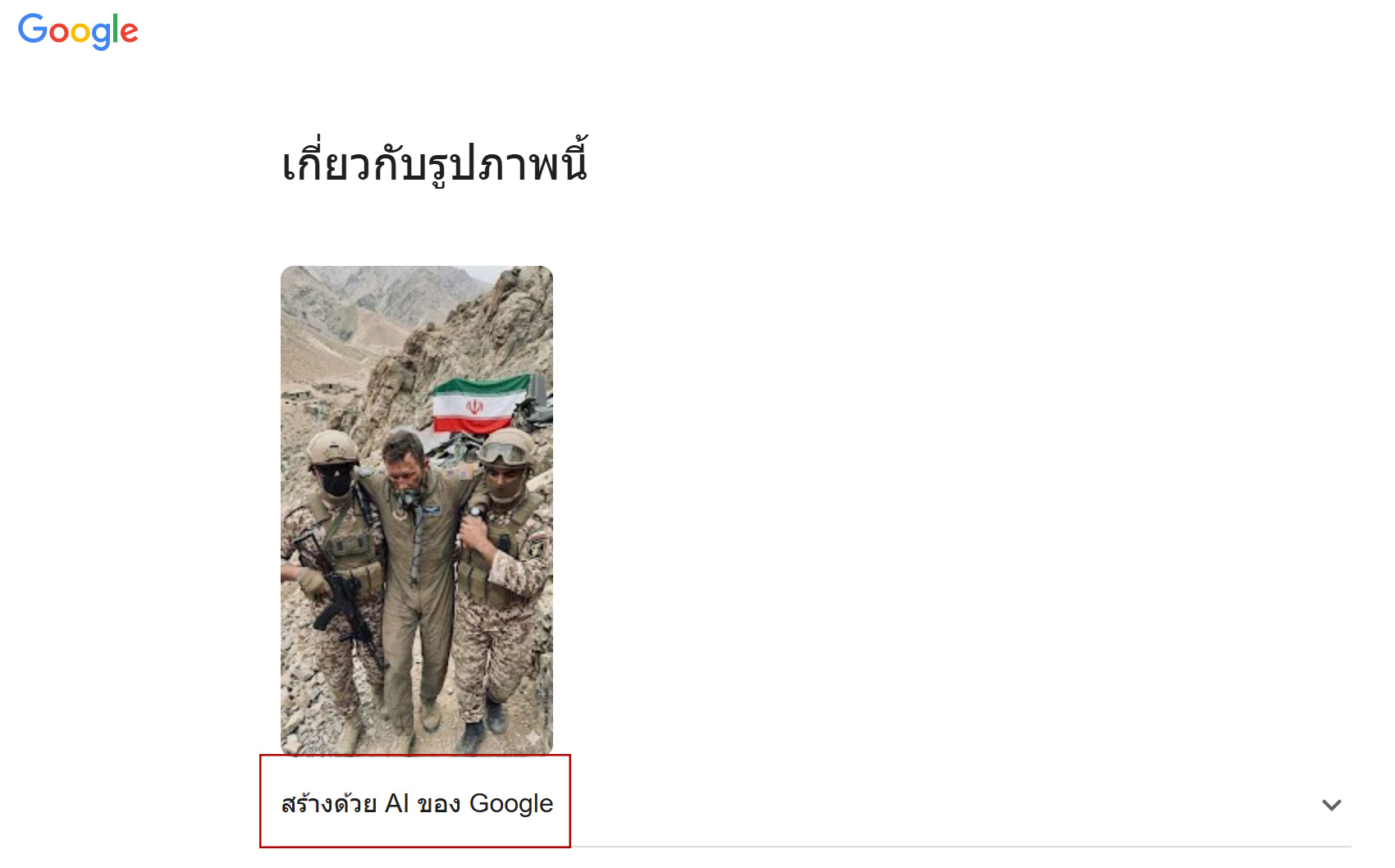
According to the search result, the image in question was created by Google AI.
The team further analyzed the image on Hive Moderation. The results showed that there was a 99-percent likelihood that the image was AI- generated, with an estimated 0.9-percent probability that it may be a deepfake.
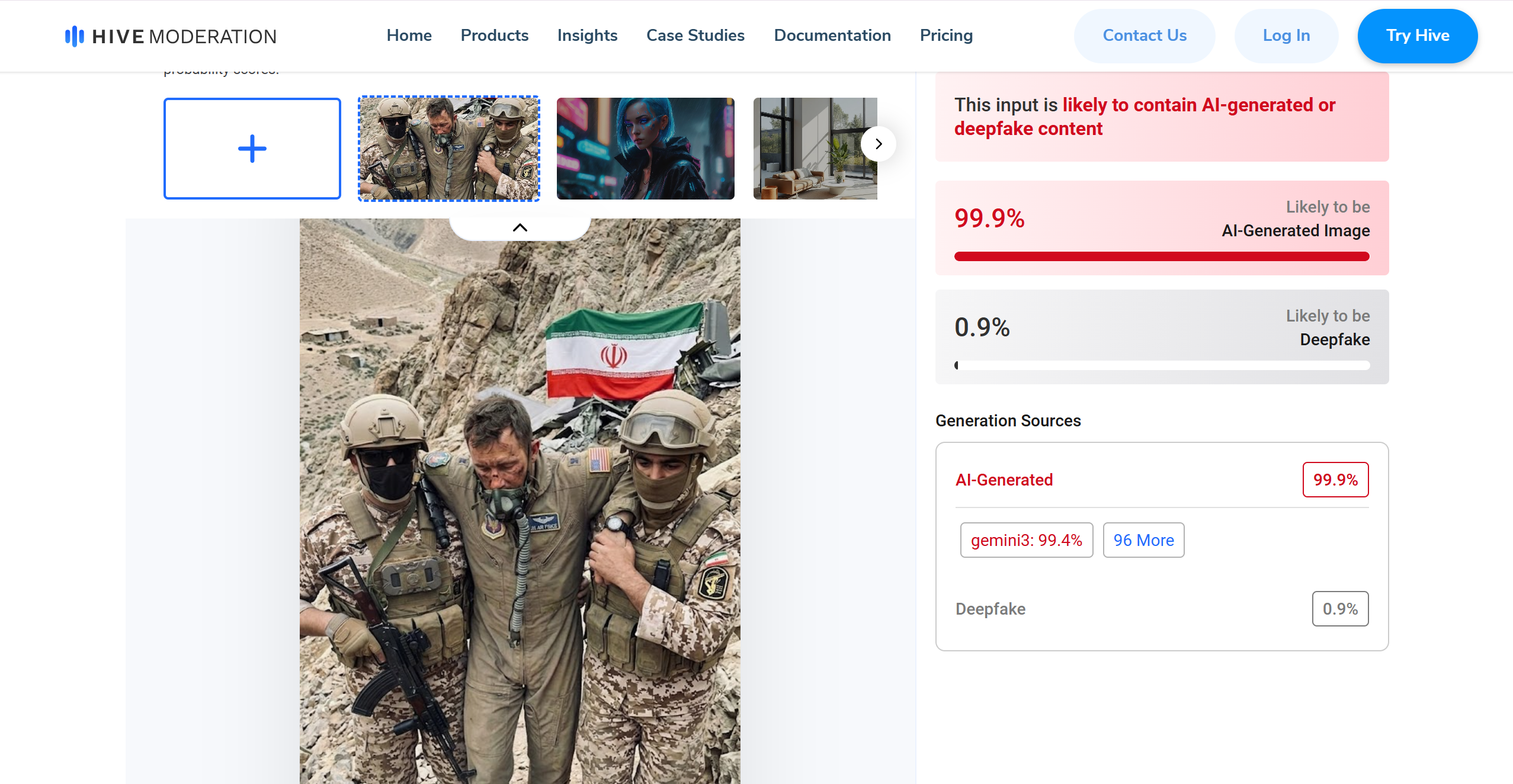
The screenshot of AI detection results on Hive Moderation.
In addition, upon closer observation of the insignia on the soldiers’ uniforms, the lettering appears unclear and does not correspond to any recognizable or meaningful language.
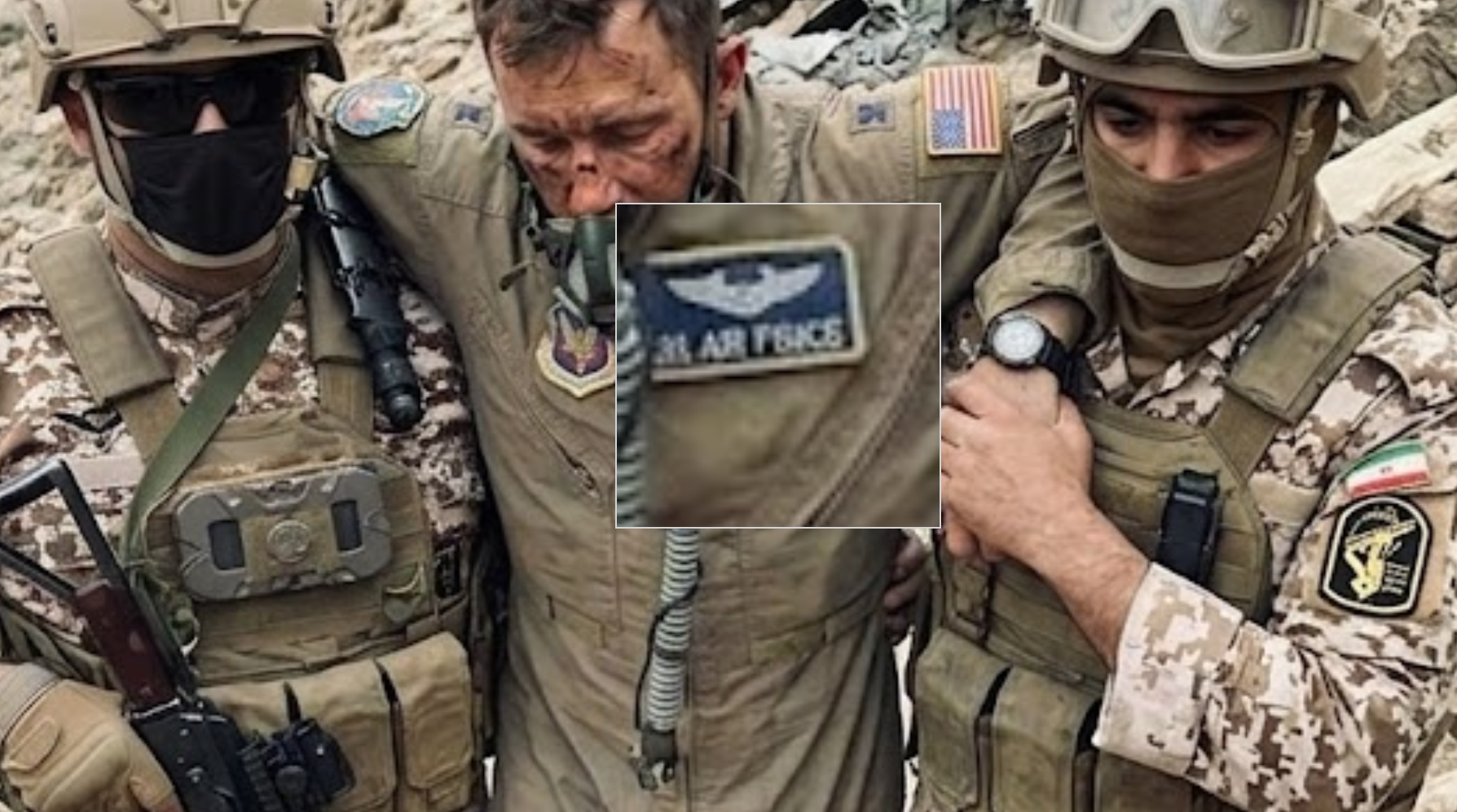
Closer details of the unreadable insignia on the soldiers’ uniforms.
A Gemini AI logo was also found beneath the image, which corresponds with prior information about the image. Google Lens search results also indicated that the image may have been AI-generated.
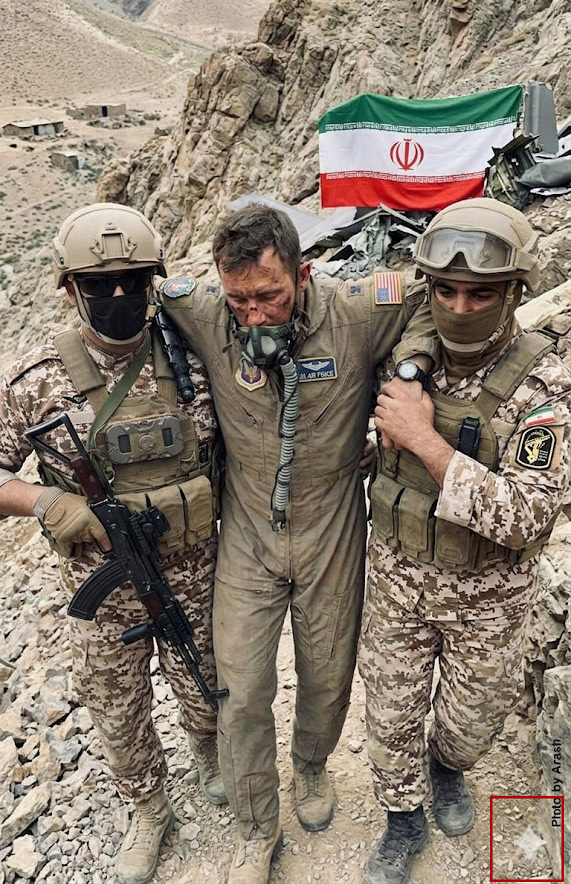
A symbol resembling the Gemini AI logo was found beneath the image.
At the same time, the Iranian flag shown in the background appears unrealistic, both in terms of composition and the symbols on the flag. These details are distorted compared to the actual national flag.
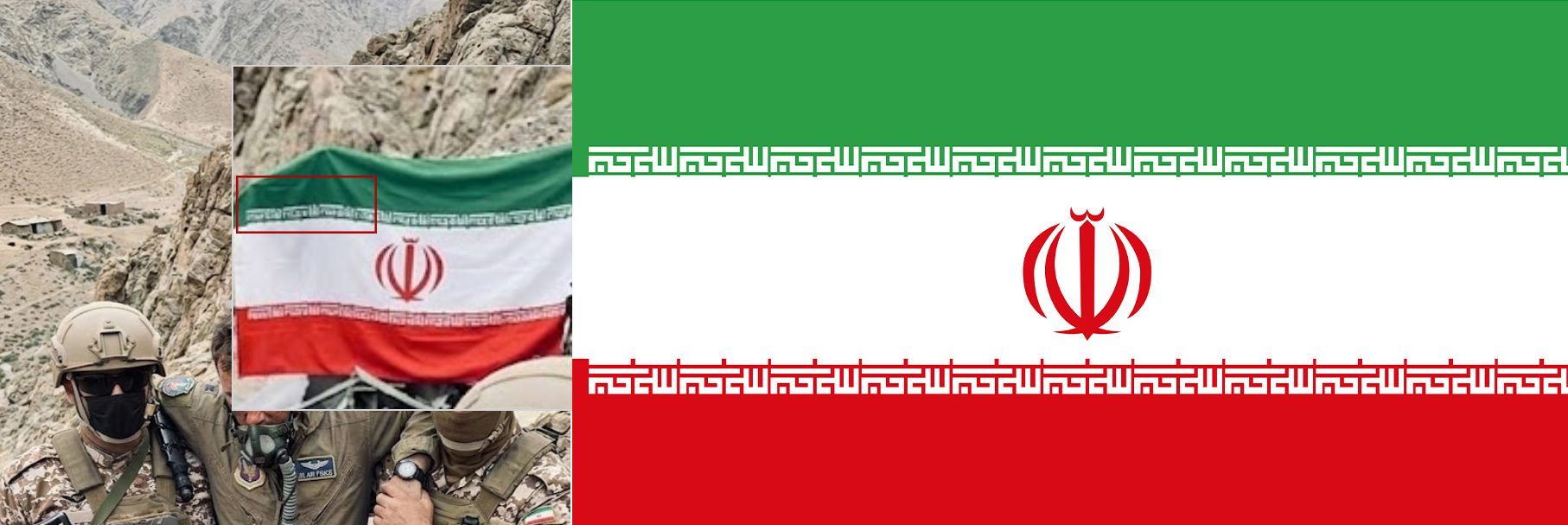
A comparison between the Iranian flag shown in the image and Iran’s actual national flag.
In reality, on April 3, 2026, a U.S. military source told Reuters that an F-15E fighter jet, a two-seat aircraft, was shot down during operations over Iranian territory, marking the first such loss since the United States and Israel began military operations against Iran about five weeks earlier.
A few days later, President Donald Trump posted on Truth Social on April 5, 2026 at 18:52 (U.S. time), confirming that the United States had successfully rescued two F-15 pilots who had crashed in Iran.
Sources:
- High-stakes US special forces mission rescues airman from Iran after F-15 crash
- “Trump” prepares to hold a press conference, confirming that the rescue of the “pilots” has been completed.
What is the truth?
The post claiming the U.S. soldier was captured by the Iranian military has not been confirmed by any credible international news agencies. When the image was analysed on Google Lens and Hive Moderation, it showed a high likelihood that the image was AI-generated, and probably a deepfake.
Several visual elements in the image, such as the insignia on uniforms, the Iranian flag and the logos shown, appear abnormal and inconsistent with real-world references. In addition, there have been no verified reports from major news sources confirming any such arrest of the U.S. soldiers as claimed in the post.
Verification Process
- Google Lens: When the image was analyzed with Google Lens, no matching results were found in reports from credible international news agencies. Information related to the image also suggested that it may have been generated with Google AI.
- AI image detection tool: The image was further analyzed on Hive Moderation. The results showed that there was a 99-percent likelihood that the image was generated by AI, with about a 0.9-percent chance that it may be a deepfake.
Potential impacts of the fake image
- Causing misunderstanding of international situations: False information about conflicts such as between the United States and Iran may lead audiences to misunderstand the situation and believe that serious events have actually occurred, even though there is no confirmation from credible news sources.
- Creating panic and confusion on social media: This type of fake image is often shared rapidly, leading to unnecessary panic and causing confusion among the public about what is real and what is not.
- Increasing the risk of further spread of fake news: When information is shared without verification, it can spread widely and make it more difficult to correct misunderstandings later on.
What to do with this misinformation?
- Check the source before believing or sharing: Verify whether the information comes from a credible news agency or organization, and whether it has been confirmed by multiple sources.
- Use image and information verification tools, such as Google Lens or Hive Moderation to help check whether an image has been manipulated or generated by AI.
- Observe inconsistencies in content and images: Look for unusual details such as unrealistic text, distorted flags or strange logos, which may indicate a fake image.
- Avoid sharing immediately before verification: Especially for news involving violence or international conflicts, always confirm the facts before sharing further.
Translation edited by: Peerachai Pasutan