When emotional Chinese short dramas hide scam risks
It is undeniable that in recent years, Chinese short dramas, or ’duanju’ have rapidly gained popularity in Thailand.
With their concise, emotional, and easily accessible storytelling style, most plots are designed to “hook” viewers from the very first minute—whether through satisfying revenge narratives, protagonists who rise from nothing to wealth or power, or idealized, perfect romances.
A defining characteristic of this type of series is its fast-paced storytelling, with cliffhangers every one to two minutes that compel viewers to keep watching. These stories often weave in the dreams of ordinary people, such as getting rich quickly, instant justice, and gaining social recognition.
Importantly, the plots are usually predictable and easy to watch, making them more addictive and harder to stop watching than other types of content. However, the growth of short-video platforms and episodic short dramas has made it easier for scam groups to reach the public.
Scam tricks hidden behind short dramas
- Emotionally charged plots that hook viewers quickly: stories of short dramas are divided into a few concise episodes, using themes such as revenge, ordinary people struggling to make money, undercover millionaires, or intense romantic drama. The fast pace and frequent cliffhangers cause viewers to become emotionally attached to the characters and unknowingly lower their guard.
- Algorithms pushing videos into an endless viewing loop: platforms promote short dramas’ videos with high completion rates, replays, and continuous viewing. This encourages prolonged scrolling and creates opportunities for fraudulent content to slip in more easily.
- Fake links for data harvesting and payment redirection: links are often placed in bios or comment sections. In fact, these may collect device data (device fingerprinting) and use techniques that “show different websites to different users.” Ordinary users see a normal website, while target victims are redirected to gambling sites or payment pages.
- False claims of earning money by watching series: misleading ads such as “Get paid to watch series—500–1,000 baht per day” or “100 baht per clip” lure victims into LINE group chats to complete tasks. At first, they may receive small payouts but are later deceived into transferring money to upgrade to VIP status and ultimately are unable to withdraw any funds.
- Embedded gambling links and personal data theft: some short dramas secretly include gambling advertisements or lead viewers into gambling-related LINE group chats. Clicking these links may prompt users to provide personal information such as email addresses, phone numbers, or bank details, increasing the risk of misuse for illegal purposes.
- Fake series-watching apps containing malware: victims are tricked into downloading apps outside the Play Store or App Store via APK files. Once installed, the apps request ‘Accessibility Service’ to steal passwords, access banking apps, or remotely control the phone and transfer money.
- Direct money transfer scams: after obtaining personal information, scammers contact victims and ask them to transfer money to “verify identity” or “withdraw profits,” then cut off communication—similar to fake online gambling cases.
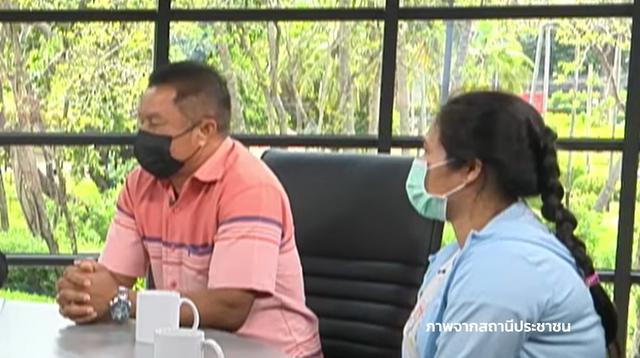
Police Lieutenant Colonel Wasuthep Jai-in stated that content of this nature often involves fake apps that lure users into watching videos in exchange for money, which falls under investment scam schemes. These typically claim that users can withdraw money after watching a certain number of clips, but when attempting to withdraw larger amounts, they are forced to pay insurance fees or deposits first. Although this may seem harmless, many people have fallen victim because anyone can purchase advertisements.
Review on Chinese short dramas app: big claims with real money?
One of the promoted apps is ‘FreeFilck,’ which claims that users can earn money immediately by watching short dramas. The Thai PBS Verify team therefore tested it by downloading and using the app to see whether the “watch videos to earn money” model truly matches its advertising claims.
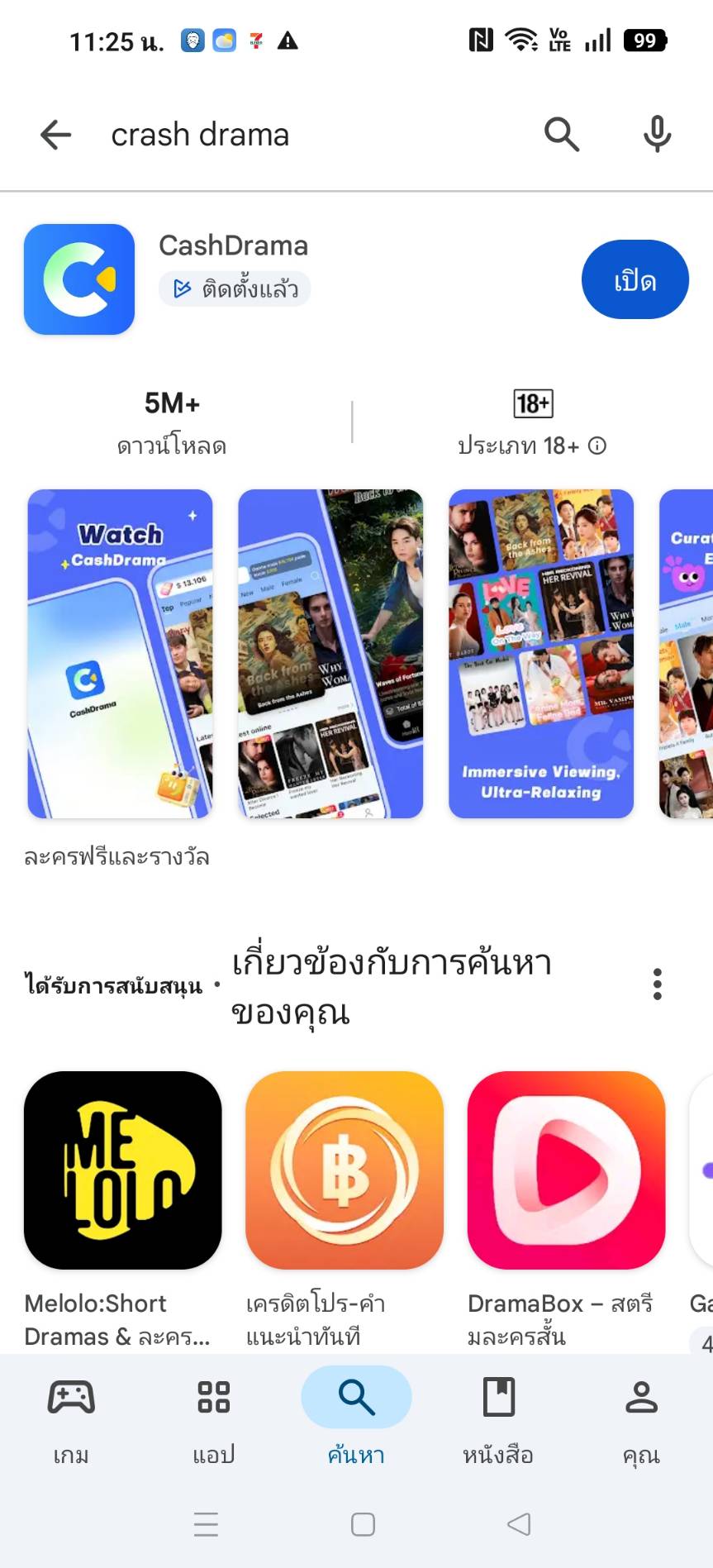
Starting with a search on Google Play, they found an application called ‘CashDrama’ with over 5 million downloads. After installation and launch, the app’s home screen displayed a 600-baht cash symbol along with a message stating that users must accumulate a total of 1,400 baht before they can withdraw money.
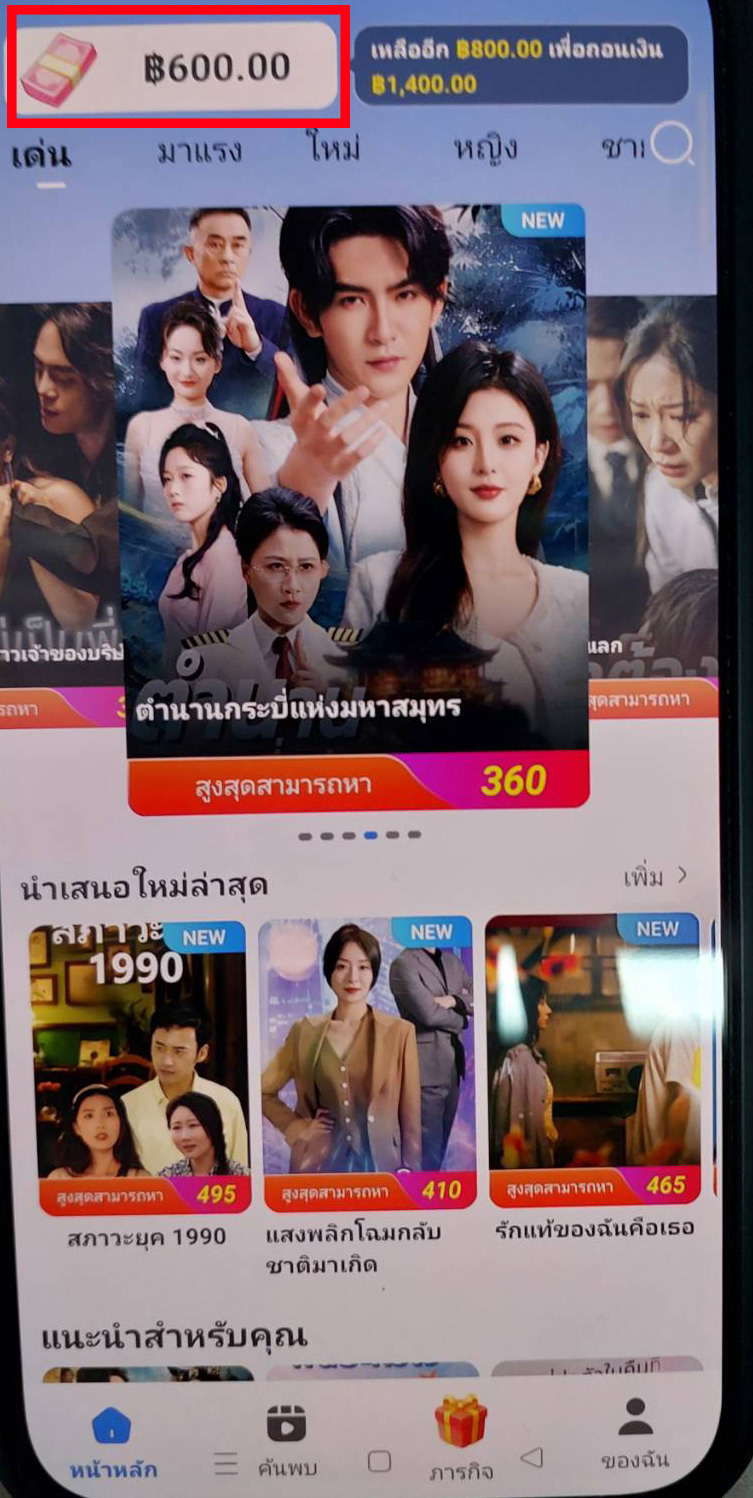
The app’s home screen when opened
While watching videos, scrolling messages appear at the bottom of the screen, continuously displaying the names of people who supposedly have received money. This creates the impression that real users are successfully withdrawing earnings. At the same time, once a video has been watched in full as required, the system immediately shows the accumulated amount in the earnings section.
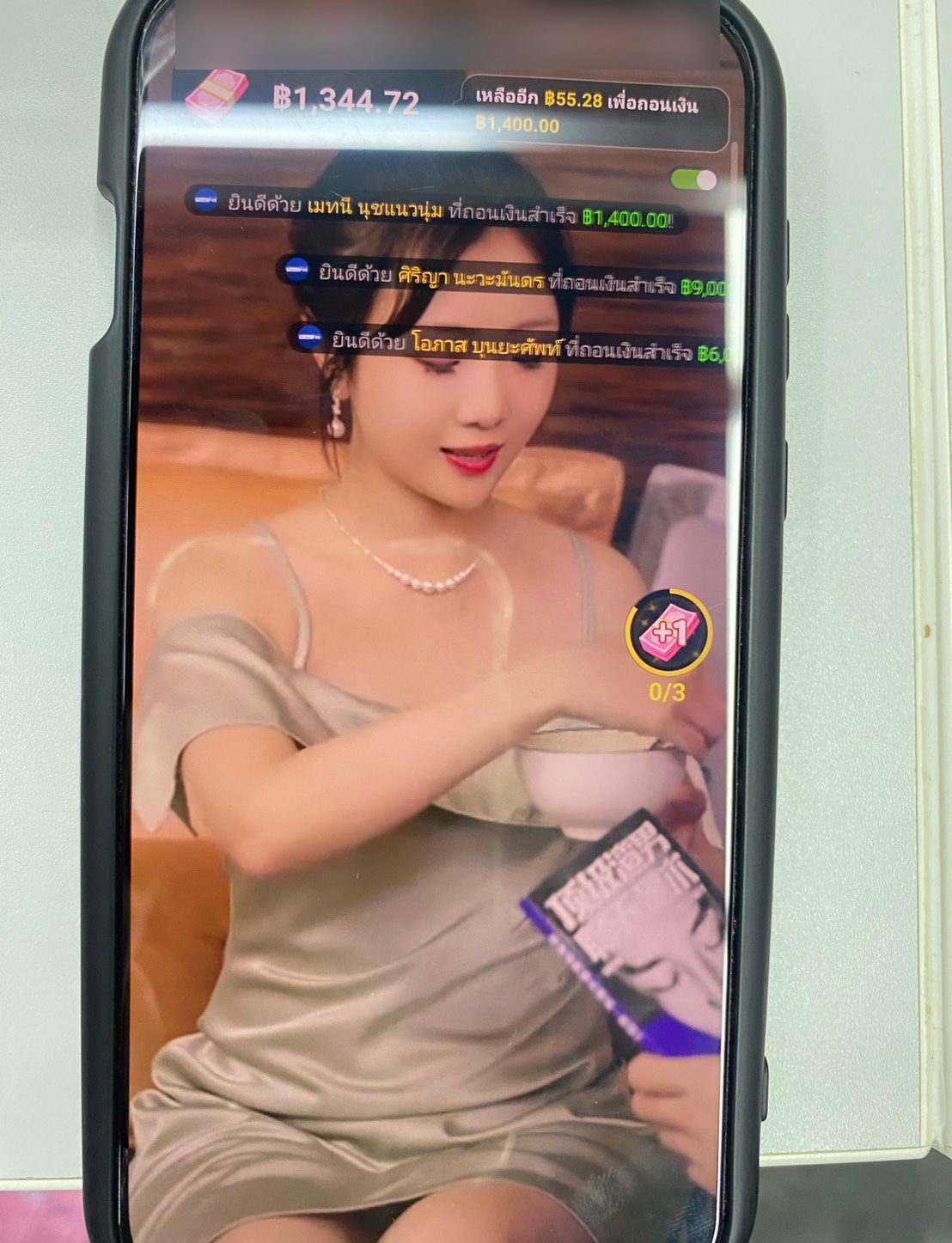
Scrolling text on the screen stating that people have already received money
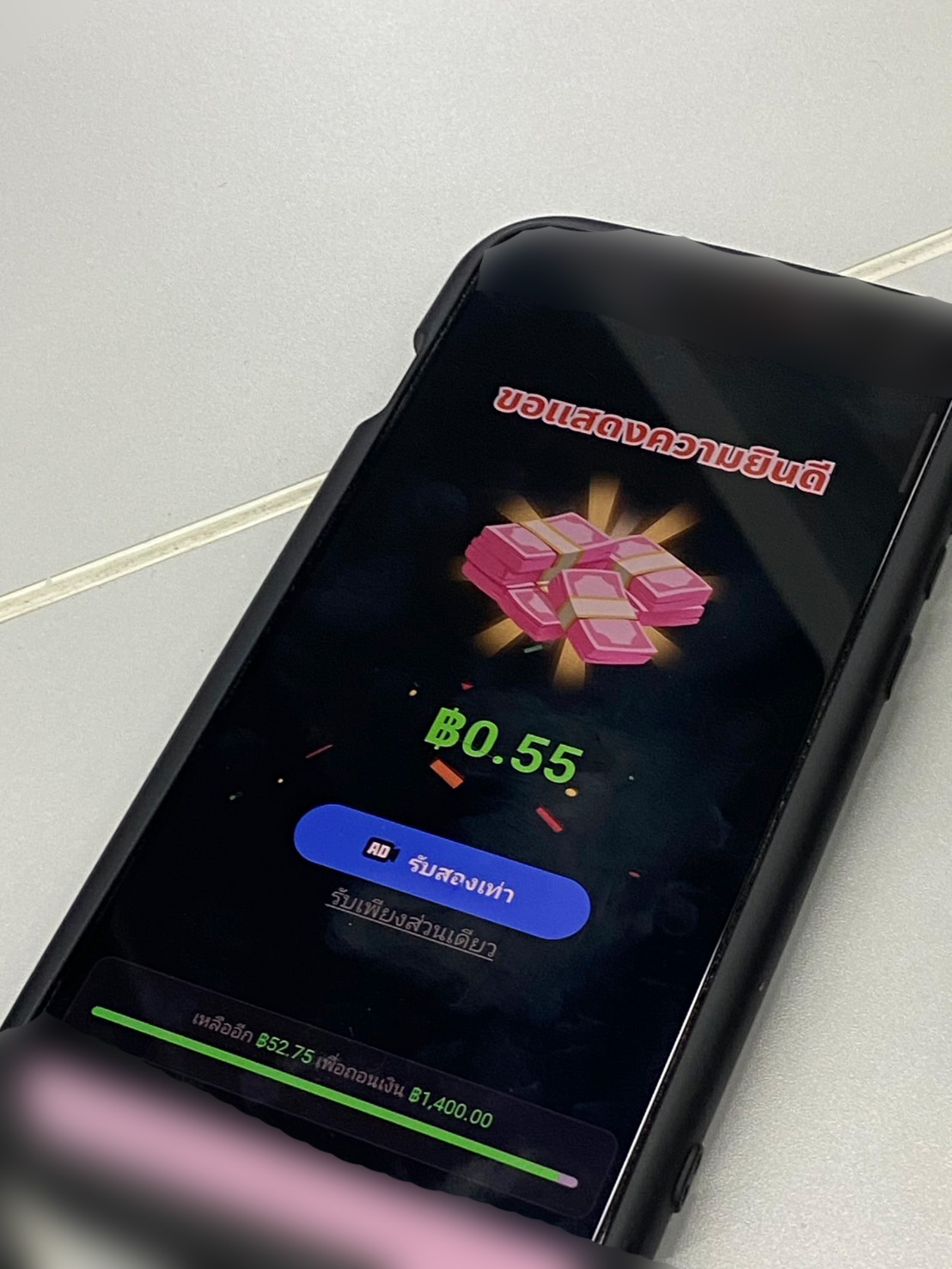
The screen shown after the required series views are completed, allowing users to claim money
However, with further testing, it was found that it takes more than five hours to accumulate the required amount of 1,400 baht. Throughout the usage, notifications constantly appear stating how much “other people have received,” which serves to encourage users to keep watching clips continuously.
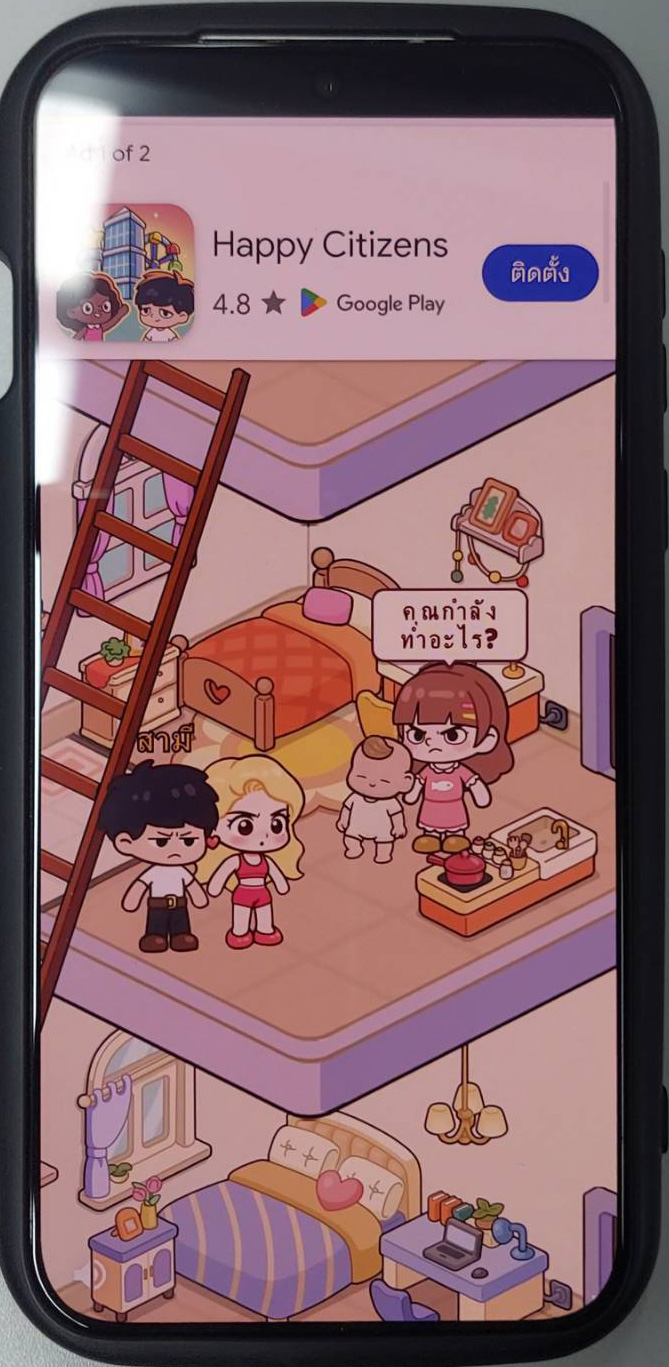
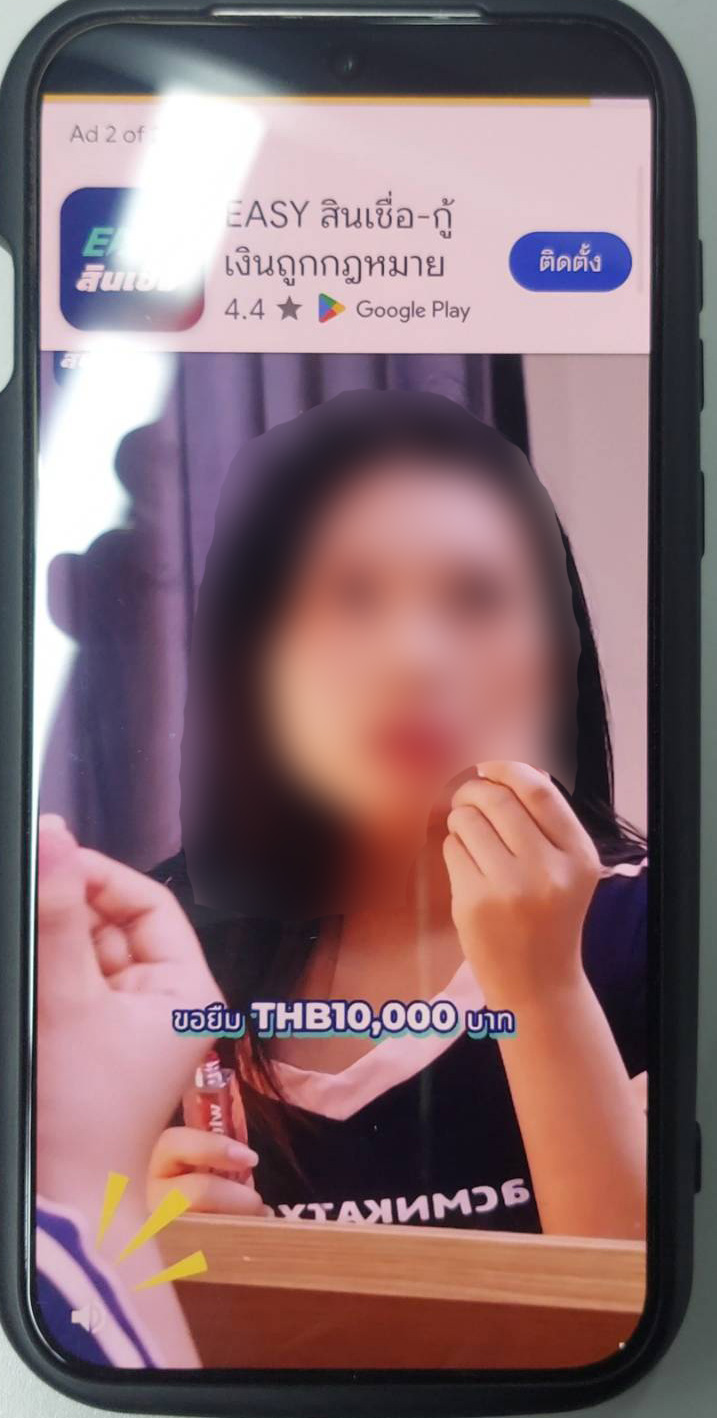
The screen shown when claiming double rewards, which plays an ad containing embedded loan app promotions
In addition, although the app is presented as a series-watching app, it contains many embedded advertisements. After each clip ends, the system encourages users to watch additional ads to increase their accumulated earnings. The ads come in many forms, ranging from loan apps and games to shopping apps, effectively turning “watching short dramas” into primarily watching advertisements.
After the testing, it could be concluded that the app is designed to keep users engaged for as long as possible by constantly displaying income figures, accumulated balances, and messages claiming that others have received real payouts. While earnings appear to increase continuously, in practice the process requires a large amount of time and repeatedly leads users to advertisements and external platforms throughout the experience.
How to spot and protect yourself from scams in the form of short dramas?
- Do not click links that claim easy money: advertisements or posts promoting “watch clips and get paid,” “earn income by watching series,” or “click and get rich” are often scam traps. Always be skeptical, there is no legitimate job that offers high returns simply from watching videos.
- Avoid entering personal information on untrustworthy websites: do not provide your full name, phone number, email address, or bank details on websites of unknown origin. Always check the URL to ensure it is an official site and beware of fake websites that imitate well-known brands or government agencies.
- Be cautious of links in bios and video comments: links found in comment sections or profile bios may be designed to redirect users to gambling sites, payment pages, or data-collecting pages. It is best to avoid clicking such links.
- Regularly review app permissions: if an entertainment or video app requests permissions to control your device, view your screen, or access sensitive data, deny the request and uninstall the app immediately. It may be a fake app embedded with malware.
- Use two-factor authentication (2FA): Enable 2FA on all social media, email, and financial accounts to reduce the risk if your data has been compromised.
- Do not download apps from unofficial sources: avoid installing APK files from links in SMS or LINE messages. Only download apps from the Play Store or App Store.
- Be wary of requests to transfer money to verify identity or withdraw profits: any demand for insurance fees, deposits, or unlocking fees before withdrawal is a major red flag. Stop contact immediately.
- Report suspicious activity promptly: if you suspect a scam or encounter behavior indicative of fraud, contact the Cyber Crime Police hotline at 1441 for guidance and further action.