












ไทยพีบีเอส โชว์นวัตกรรม AI Vertical LIVE และบริการภาษามือเต็มจอ Big Sign บนเวที Asia Media Summit 2026 ณ ประเทศมัลดีฟส์ ชี้แนวทางสื่อสาธารณะยุคดิจิทัลต้องสร้างเนื้อหาที่ “เข้าถึงคนทุกกลุ่ม” พร้อมเน้นว่า AI ต้องอยู่ภายใต้การควบคุมของมนุษย์ | Thai PBS shares approaches to digital content ecosystem at Asia Media Summit 2026 [Scroll down to the English version]
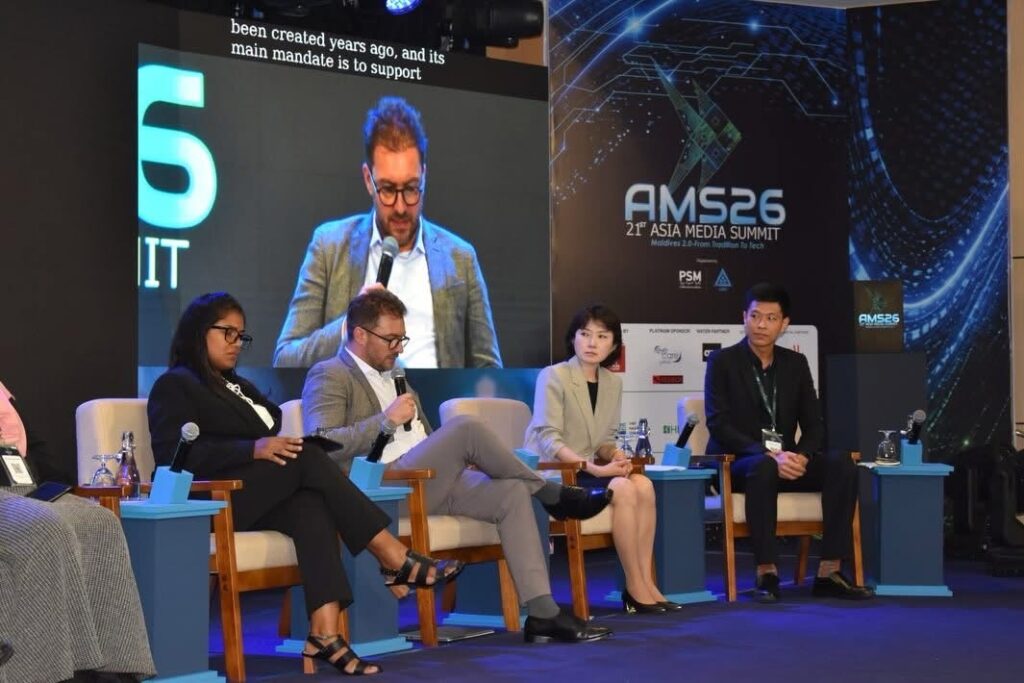
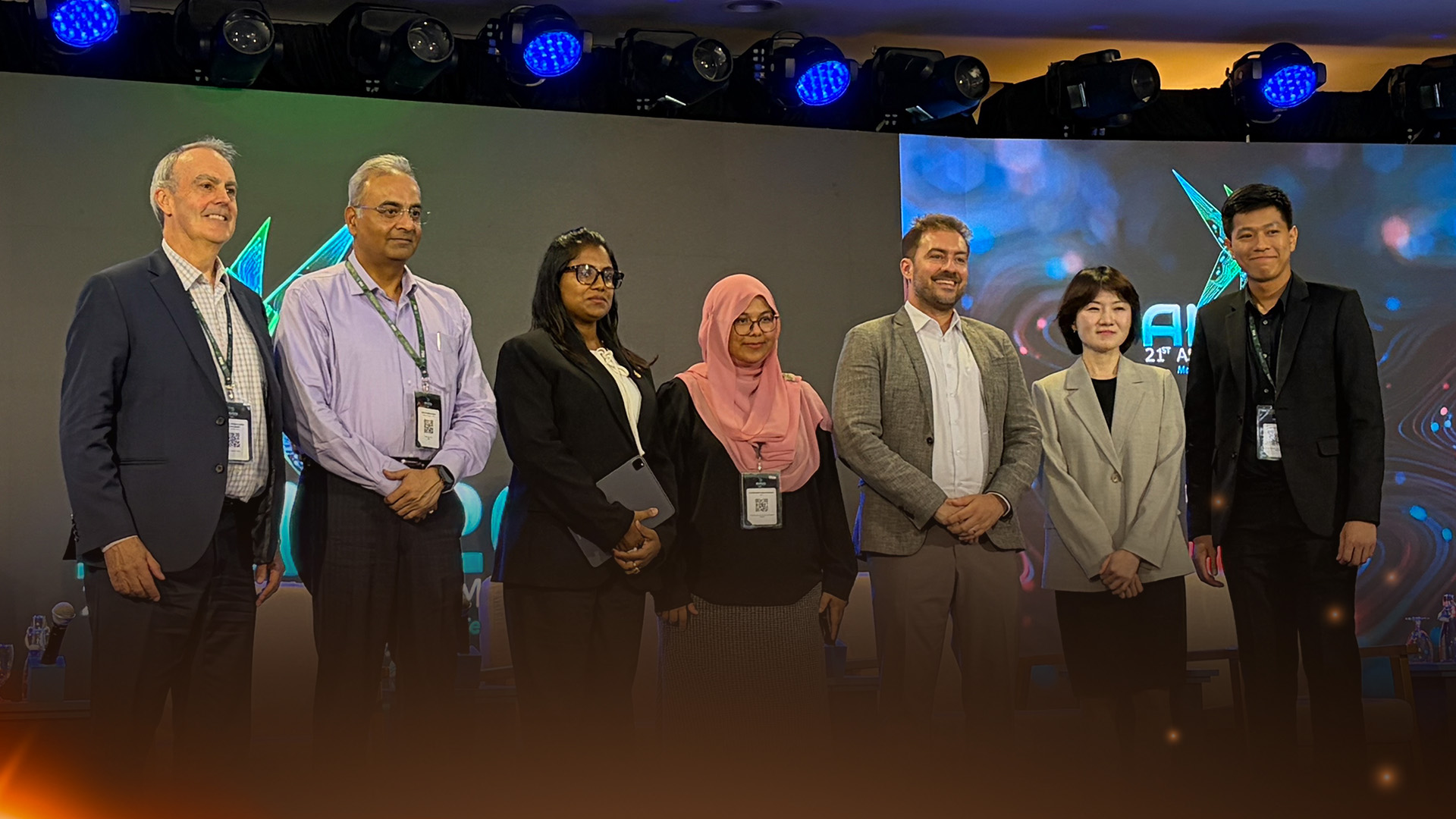
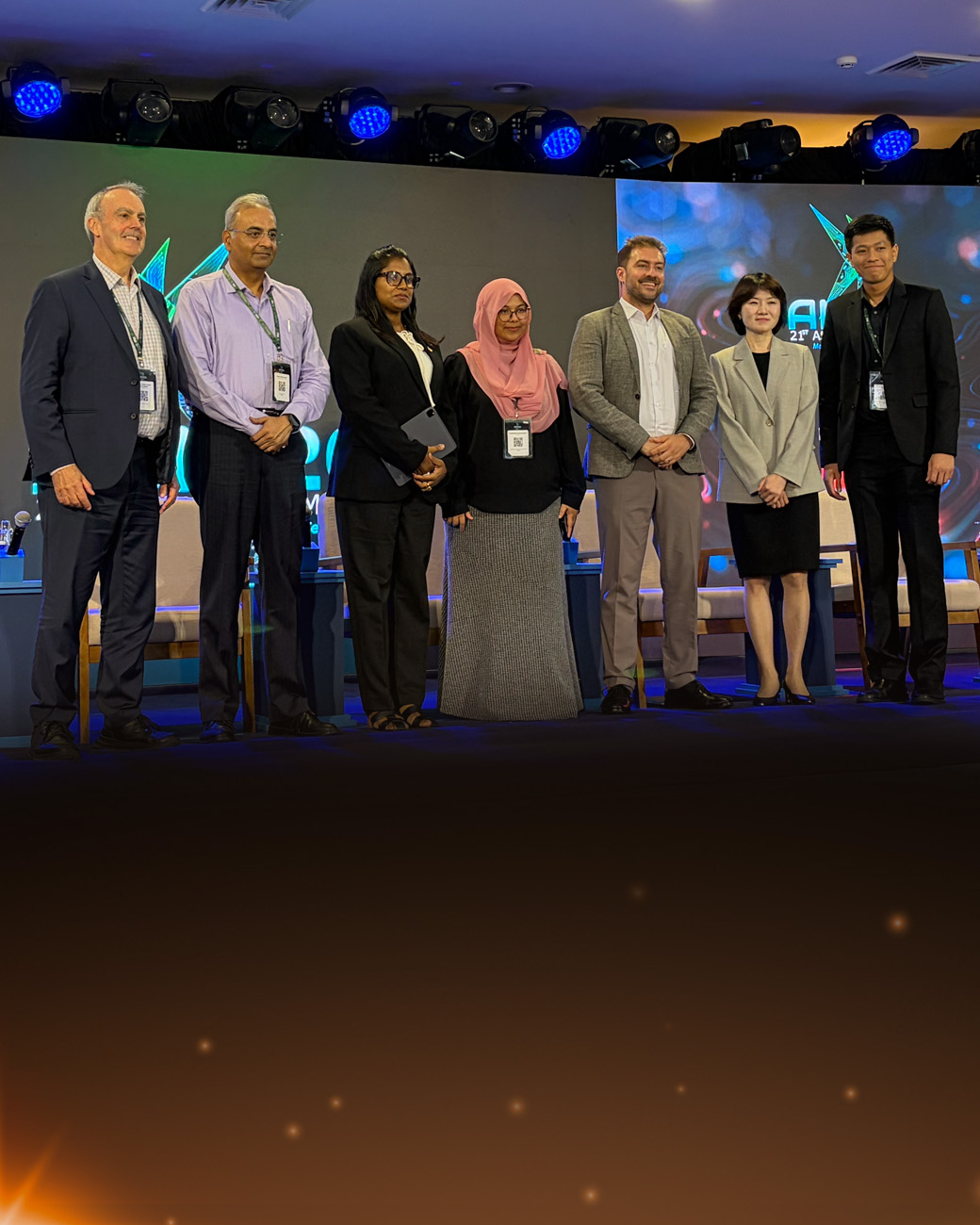
งานเสวนาดังกล่าวจัดขึ้นเมื่อวันที่ 12 พฤษภาคม 2569 ในหัวข้อ “Rebuilding Digital Content Ecosystem (ฟื้นฟูระบบนิเวศเนื้อหาดิจิทัล)” โดยสถาบัน Asia-Pacific Institute of Broadcasting Development (AIBD) เป็นผู้เชิญ และมี Public Media Service (PMS) องค์กรสื่อของมัลดีฟส์ เป็นผู้จัดงาน เพื่อเปิดพื้นที่ให้องค์กรสื่อในภูมิภาคได้แลกเปลี่ยนองค์ความรู้และโครงการที่มุ่งสร้างเนื้อหาดิจิทัลอย่างยั่งยืน ในยุคที่สื่อเผชิญความท้าทายจากอัลกอริทึมและแพลตฟอร์มสตรีมมิงข้ามชาติ
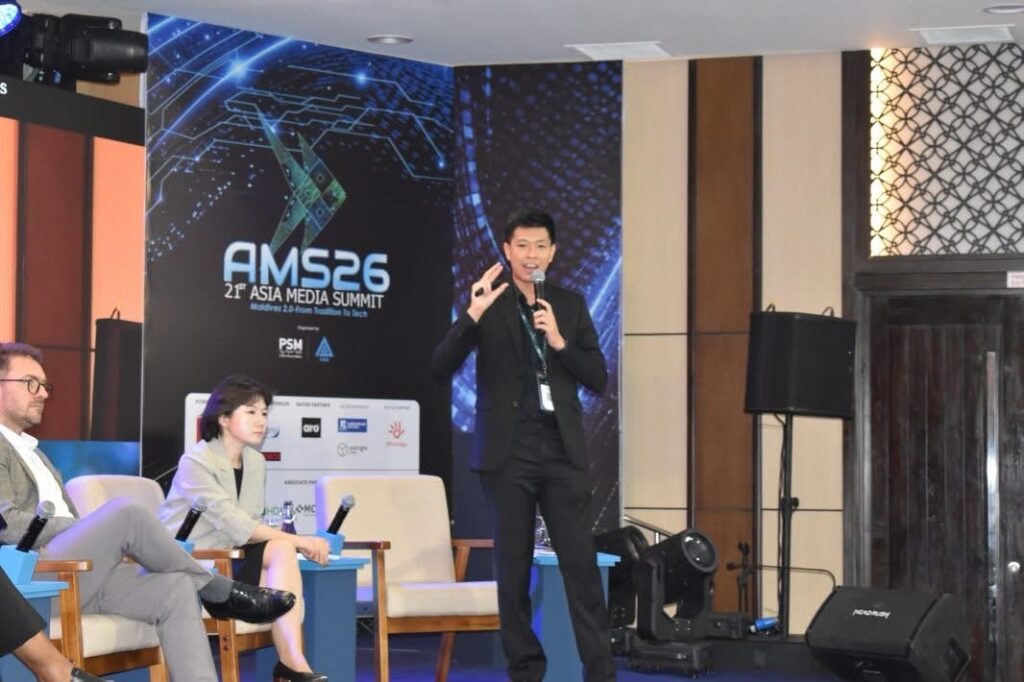
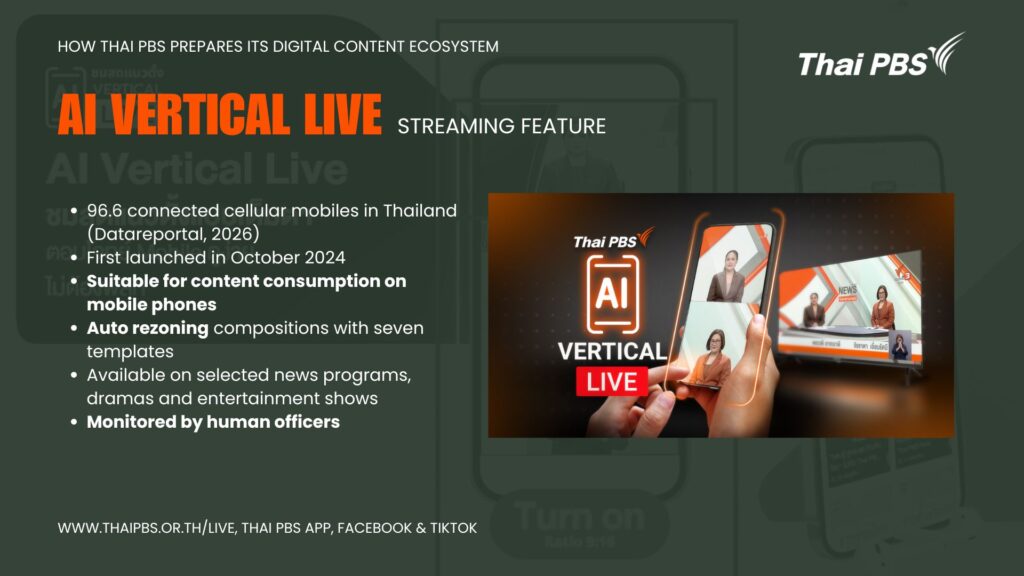
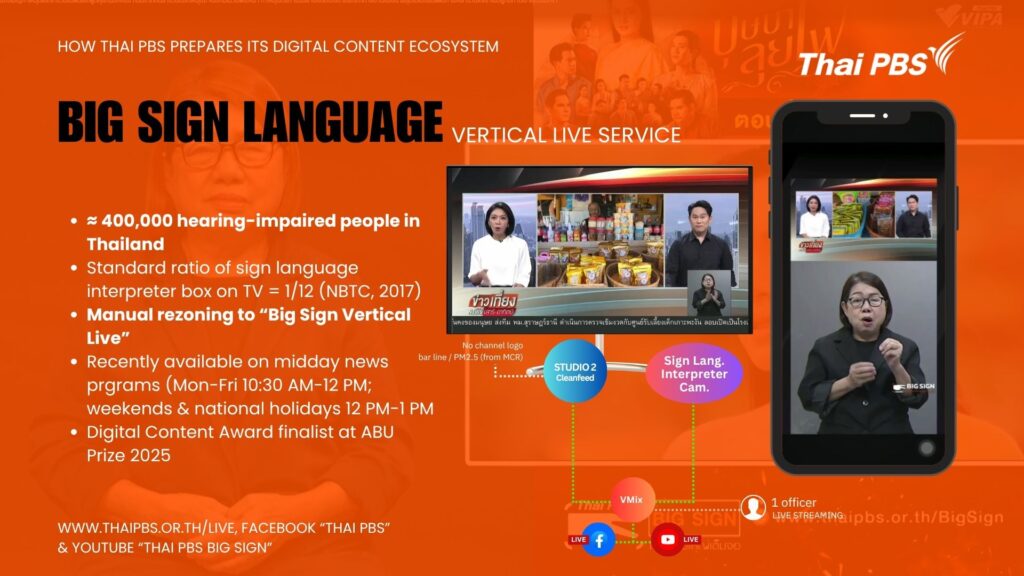
คุณพีรชัย พสุทันท์ เจ้าหน้าที่เนื้อหาดิจิทัล สำนักสื่อดิจิทัล ตัวแทนจากไทยพีบีเอส กล่าวถึงแนวทางส่วนหนึ่งที่ไทยพีบีเอสดัดแปลงเนื้อหาจากโทรทัศน์ ให้เข้ากับพฤติกรรมการรับชมในปัจจุบัน ยกตัวอย่างเช่น บริการ AI Vertical LIVE ที่ใช้ปัญญาประดิษฐ์ (AI) ช่วยสตรีมและจัดองค์ประกอบของรายการบนหน้าจอโทรทัศน์ให้แสดงผลแนวตั้งโดยอัตโนมัติ (auto-rezoning) เพิ่มความสะดวกให้แก่ผู้ที่รับชมผ่านมือถือ และบริการ Big Sign ภาษามือใหญ่เต็มจอ ซึ่งช่วยให้คนพิการทางการได้ยินสามารถรับชมภาษามือได้ชัดเจนขึ้นโดยที่ไม่ต้องพลิกหน้าจออุปกรณ์ บริการเหล่านี้สะท้อนพันธกิจของไทยพีบีเอสในการสร้างเนื้อหาให้ “เข้าถึงคนทุกกลุ่ม (accessible for all)” ทั้งนี้ พีรชัยย้ำบนเวทีว่า การให้บริการดิจิทัลที่ใช้ AI ต้องมีมนุษย์คอยควบคุมเสมอ
คุณ Gaurav Dwivedi ประธานกรรมการบริหารของสื่อสาธารณะอินเดีย Prasar Bharati ระบุว่า ความเชื่อมั่น การรวมคนทุกกลุ่ม และการเข้าถึงทุกช่องทาง เป็นหัวใจหลักของสื่อสาธารณะ เขายกตัวอย่างการสร้างเนื้อหาหลากหลายภาษาบนแพลตฟอร์มออนไลน์ เพื่อสื่อสารกับประชาชนกลุ่มต่าง ๆ อย่างทั่วถึง ด้านคุณ Lee Jung-Min ผู้อำนวยการอาวุโสด้านข่าวของ KBS ประเทศเกาหลีใต้ กล่าวถึงการใช้ AI ผสานเข้ากับการรายงานข่าวช่วงภัยพิบัติทั้งออนแอร์และออนไลน์ เพื่อสร้างความเชื่อมั่นสาธารณะ และหน่วย KLAB ที่มุ่งผลิตเนื้อหาออนไลน์จากคลังข้อมูลข่าว
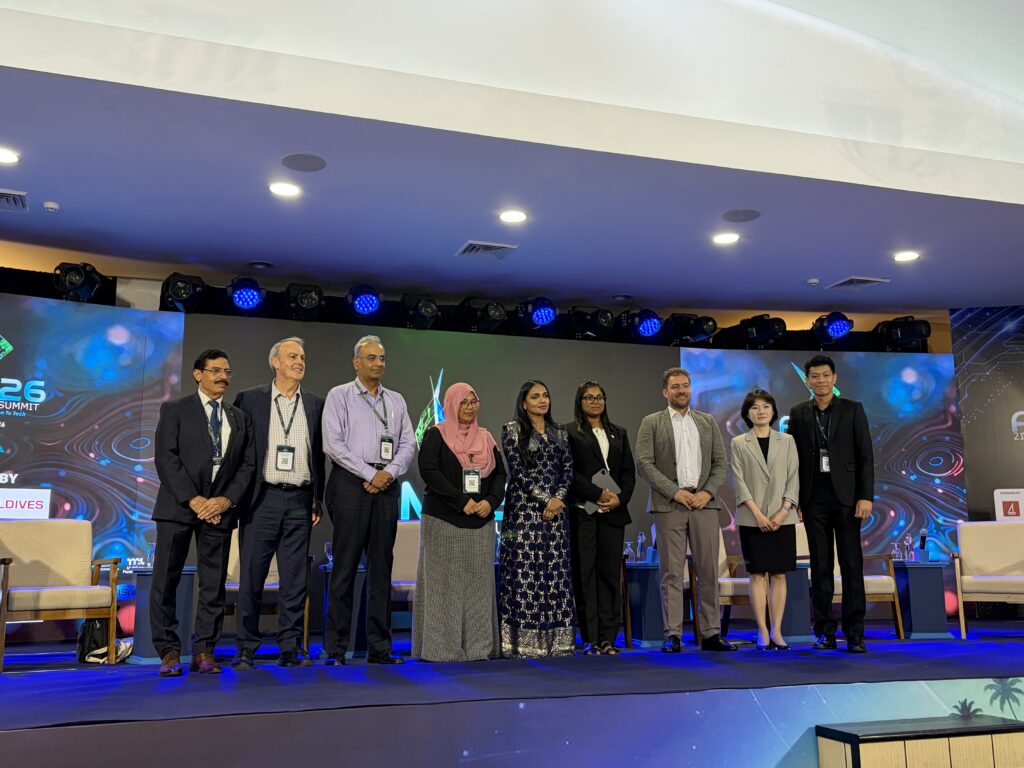
ขณะที่คุณ Sakina binti Haji Mohamed บรรณาธิการและหัวหน้างานสื่อดิจิทัล BERNAMA News Wire ประเทศมาเลเซีย เน้นถึงการหยุดยั้งภัยข่าวปลอมบนโลกออนไลน์ ซึ่งไม่ได้มีแค่เพียงการตรวจสอบและการเสริมสร้างทักษะจับผิด AI เท่านั้น แต่ยังลงลึกไปถึงที่ทำให้ผู้คนแชร์ข้อมูลข่าวสารที่ผิด ส่วนคุณ Aminath Sarahath กรรมาธิการประจำคณะกรรมาธิการสื่อและกิจการโทรทัศน์ (MMBC) ประเทศมัลดีฟส์ กล่าวว่า สื่อสาธารณะจำเป็นยิ่งกว่าที่เคยในยุคดิจิทัล เพื่อสร้างสรรค์เนื้อหาที่ปกป้องประโยชน์ส่วนรวม อีกทั้งภาครัฐต้องคำนึงถึงความโปร่งใสและความรับผิดชอบร่วม มากกว่าที่จะควบคุมอัลกอริทึมในภูมิทัศน์สื่อปัจจุบัน
นอกจากนี้ การสร้างพันธมิตร ยังเป็นอีกหนึ่งกุญแจสำคัญในการพัฒนาองค์กรสื่อยุคดิจิทัล อย่างที่คุณ Yoann Talhouarne เจ้าหน้าที่ชำนาญการด้านสื่อภาพและเสียงประจำภูมิภาค สถานเอกอัครราชทูตฝรั่งเศสประจำประเทศสิงคโปร์ ได้พูดถึงการดำเนินงานของฝรั่งเศสในอาเซียน ทั้งความร่วมมือกับ AIBD และการสนับสนุนของ CFI เพื่อการพัฒนาสื่อในประเทศอาเซียน ท้ายที่สุดแล้ว แม้จะไม่มีสูตรสำเร็จ แต่การแลกเปลี่ยนองค์ความรู้ การทดลองทำ และความรับผิดชอบ จะช่วยให้องค์กรสามารถเนรมิตเนื้อหาดิจิทัลที่น่าเชื่อถือและถูกต้องได้
Thai PBS showcases its flagship digital services, “AI Vertical LIVE” and “Big Sign,” at the Asia Media Summit 2026 in the Maldives, suggesting the importance of content creation “for all” and human control of AI within modern-day public media organizations.
On May 12, 2026, Thai PBS was invited by the Asia-Pacific Institute for Broadcasting Development (AIBD) to join a panel discussion under the “Rebuilding Digital Content Ecosystem” topic at the Asia Media Summit 2026, hosted by Public Media Service (PMS) in the Republic of Maldives. The session sought possibilities and new practices on how traditional broadcasters can recreate their digital content ecosystems, as global legacy media is facing multi-dimensional challenges, particularly algorithm influences and transnational streaming platforms.
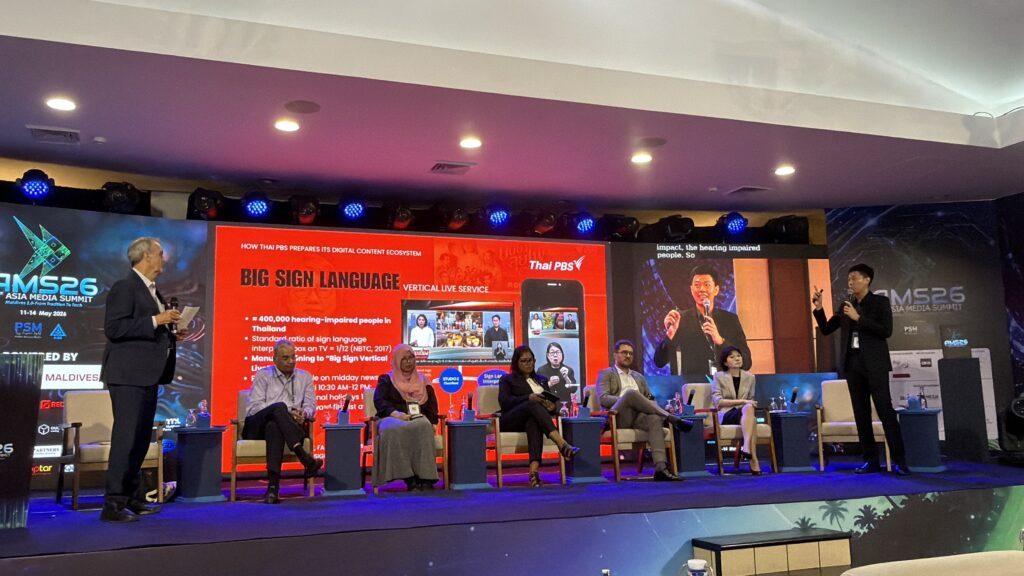
Mr. Peerachai Pasutan, Thai PBS Digital Content Creator, talked about how Thai PBS builds on its linear TV content and adjusts it to satisfy present-day online content consumption. For example, Thai PBS provides the AI Vertical LIVE streaming service: it utilizes artificial intelligence to recompose elements of horizontal, TV-format programs and display them vertically. This facilitates the public to access content anywhere and anytime on their mobiles. Another service mentioned on the stage was the Big Sign Vertical LIVE service: it allows the hearing-impaired to watch sign language interpretation on available live TV programs more clearly without flipping their devices. These examples reflect Thai PBS’s mission to produce accessible-for-all content. In any case, Mr. Peerachai emphasized human control in any AI-based services to ensure accuracy.
Mr. Gaurav Dwivedi, CEO of Prasar Bharati, pointed out that trust, inclusivity and universal access are keys to public media operations in the digital era. He mentioned multilingual digital content creation as an important approach to communicate with all groups of Indian population. For her contribution, Ms. Lee Jung-Min, Senior Director of KBS’s News and Current Affairs, spoke about how the South Korean public broadcaster integrates AI into traditional disaster coverage, enhancing both on-air and online alerts, as well as public trust. She also revealed how KBS uses its archives to produce digital-friendly video content via its KLAB unit.
In the time of fast-spreading online misinformation, Ms. Sakina binti Haji Mohamed, BERNAMA News Wire’s Editor and Head of Digital Media, stated that beyond fact-checking and AI literacy promotion, it is important to find root causes that make people share fake news. Such practice could help reduce these information threats in the digital landscape. As for Ms. Aminath Sarahath, Commissioner of the Maldives Media Broadcasting Commission, she said that public media is more crucial than ever to protect public interest through its work. She further suggested that today, a government must account for transparency and shared responsibility over full control to tackle algorithm dilemmas.
Additionally, partnerships are indispensable in developing digital-driven media, as mentioned Mr. Yoann Talhouarne, Regional Audiovisual Attaché at the Embassy of France in Singapore. The attaché talked about France’s involvements to encourage media development in ASEAN countries, such as its cooperation with AIBD and the support through CFI. Ultimately, there might be no absolute recipe behind digital transformation, but discussion, trial-and-error and integrity will help traditional media outlets adapt. At the same time, these elements contribute to credible, accurate digital content.