ตั้งแต่ไหนแต่ไร เราชาวไทยคงมีภาพจำต่อ ‘มัลดีฟส์’ ว่าเป็นสวรรค์บนดินแห่งหนึ่งของโลก แต่ในยุคที่สภาพภูมิอากาศแปรปรวนเช่นนี้ ชีวิตและความเป็นไปในประเทศหมู่เกาะแห่งนี้จะเป็นอย่างไรกันนะ ?
Thais have always regarded the Maldives as a paradise on Earth. But in an era of climate change, how is everything going in this island country? [Scroll down for the English version]
แน่นอนว่า ไฮไลต์ของมัลดีฟส์อยู่ที่ชายหาดสวย น้ำทะเลใส และหมู่เกาะงาม แต่มัลดีฟส์ยังมีแง่มุมอีกมากมายหลายหลากให้ได้สำรวจ ซึ่งผู้เขียนเองไม่ได้คิดว่าจะได้พบเจอในทริปสั้น ๆ ทริปนี้ระหว่างที่เข้าร่วมประชุมสื่อเอเชีย-แปซิฟิก Asia Media Summit 2026 ต่อไปนี้คือเรื่องราวผู้เขียนได้สัมผัสเท่าที่เวลาเอื้ออำนวย พร้อมกับสิ่งที่เห็นและบันทึกไว้ผ่านกล้องฟิล์มเก่า ๆ ตัวหนึ่งครับ
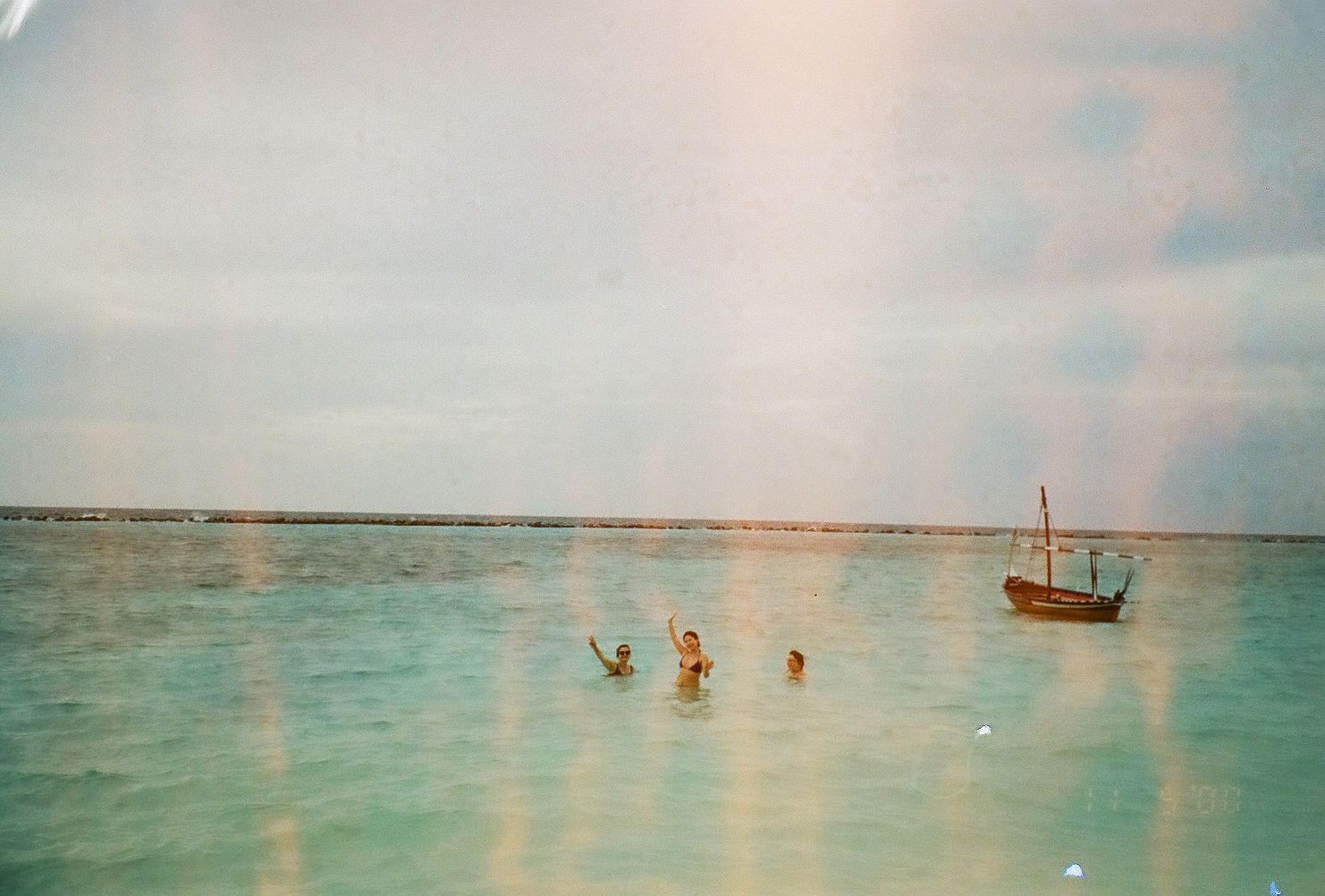
นักท่องเที่ยวกลุ่มหนึ่งในมัลดีฟส์ที่ไม่ค่อยเขินกล้องสักเท่าไหร่ (ภาพ: พีรชัย พสุทันท์)
ทั่วไปใน ‘มาเล’ เมืองหลวงมัลดีฟส์
นักท่องเที่ยวส่วนใหญ่ที่มามัลดีฟส์มักจะไปพักผ่อนบนรีสอร์ตตามเกาะต่าง ๆ และดำน้ำชมความงามของมหาสมุทรอินเดียกัน แต่เมืองหลวงอย่างมาเล (Malé) ก็เต็มไปด้วยความน่าสนใจและมอเตอร์ไซค์จอดเรียงรายทั้ง 2 ข้างทาง อย่างที่หลายคนอาจเคยได้ยินครับ มาเลเป็นเมืองที่มีประชากรหนาแน่นมากที่สุดในโลกแห่งหนึ่ง ฉะนั้น เวลาเดินไปไหนมาไหน ก็จะเจอแต่คน มอเตอร์ไซค์ มอเตอร์ไซค์ มอเตอร์ไซค์ และคนอยู่ทุกหัวถนน และดูเหมือนว่า คนที่นี่จะชอบใช้เวลานอกบ้านพอสมควร เพื่อซึมซับวิถีชีวิตแบบคนท้องถิ่นขนานแท้ (โดยไม่ได้ตั้งใจ) ผู้เขียนก็ได้เดินออกกำลังกายรอบสนามคริกเก็ต Ekuveni ร่วมกับชาวมาเลทั้งสิ้น 1 รอบถ้วน
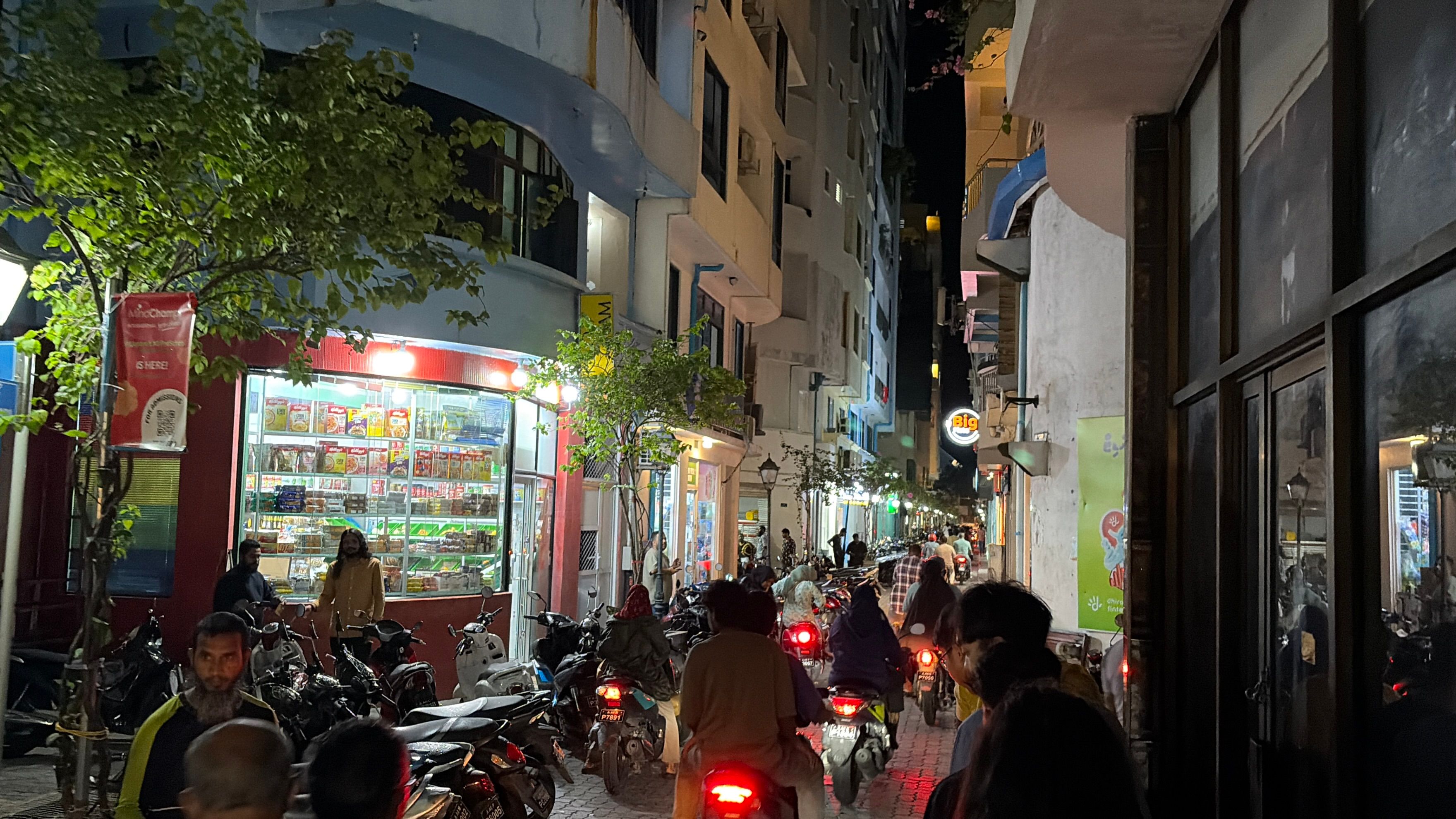
การสัญจรโดยทั่วไปภายในมาเล เมืองหลวงของมัลดีฟส์ (ภาพ: พีรชัย พสุทันท์)
หลังมื้อเย็นคืนหนึ่ง ผู้เขียนออกมาเดินเล่นในมาเลร่วมกับเพื่อน ๆ จากงานประชุมฯ จนถึง 5 ทุ่ม และเห็นพ่อค้าแม่ขายเปิดร้านค้ากันอยู่อย่างไม่ง่วงหนาวหาวนอน ด้วยความสงสัย ผู้เขียนจึงถามนาซา นาซีม รองประธานคณะกรรมการที่ปรึกษาเยาวชนต่อประธานาธิบดีมัลดีฟส์ (PYAB) ว่า “อยู่กันแบบนี้ ปกติใช่ไหม” เธอตอบว่า ชาวเมืองที่นี่ใช้ชีวิตกันจนถึงดึกดื่น พอถึงคืนวันศุกร์ ก็อยู่กัน “ยันหว่าง” เรียกได้ว่าเมืองไม่มีวันหลับใหลก็ว่าได้ครับ ชวนให้นึกถึงวิถีชีวิตของคนในประเทศแถบเมดิเตอร์เรเนียนอยู่ไม่น้อย อีกทั้งสภาพตึกรามบ้านช่องและถนนแคบ ๆ ก็ยังทำให้ผู้เขียนคิดถึงเทสซาโลนิกิ – เมืองในกรีซที่ตัวเองเคยไปร่ำเรียน – อยู่บ้าง
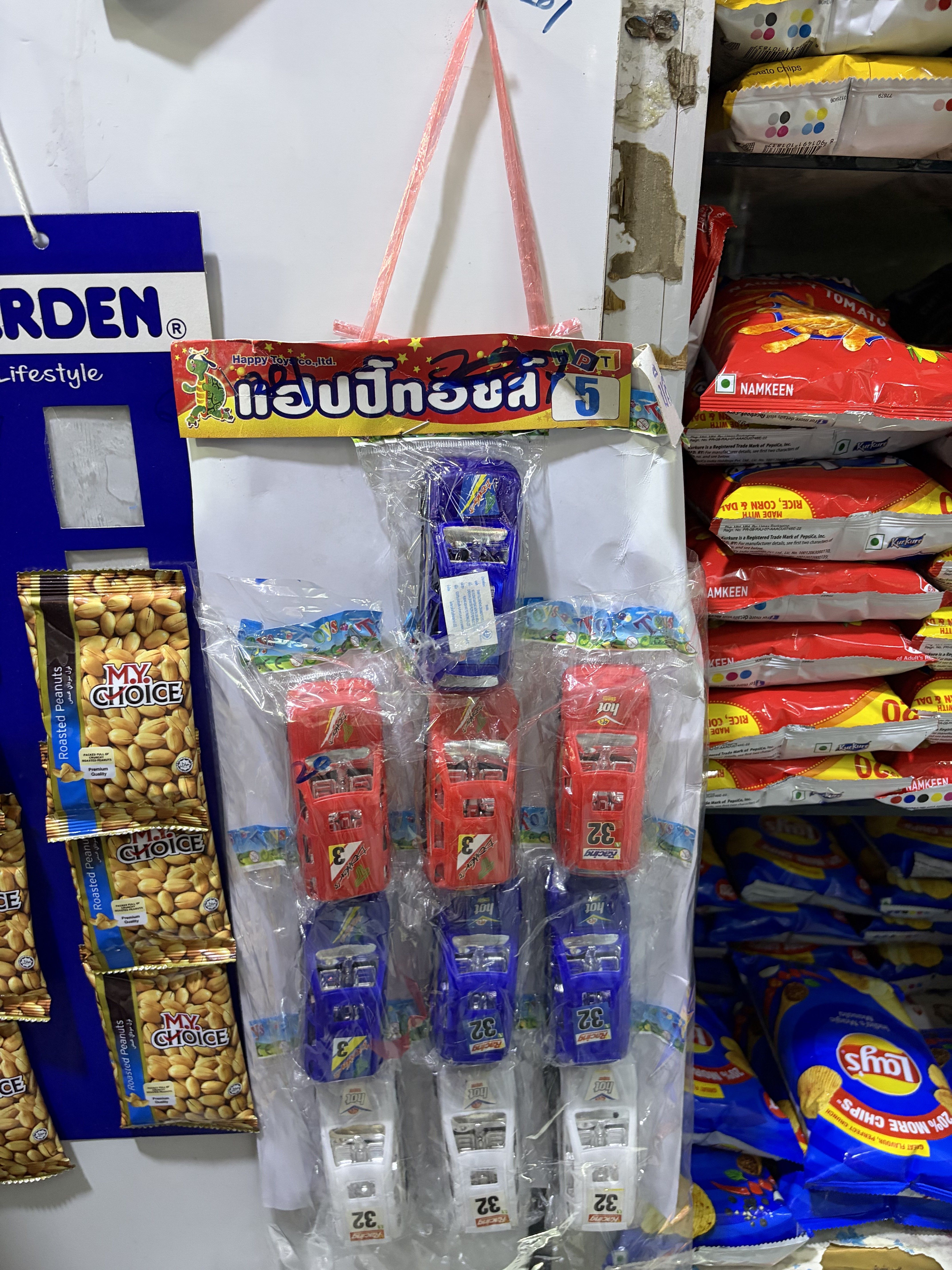
สินค้าที่คุณสามารถพบเจอในร้านโชห่วยในมาเลตอน 5 ทุ่ม (ภาพ: พีรชัย พสุทันท์)
พูดถึงมื้อเย็นแล้ว ผู้เขียนก็ควรกล่าวถึงอาหารการกินในมัลดีฟส์เสียหน่อย นอกจากอาหารโดยทั่วไปจะเน้นเครื่องเทศไม่ต่างจากประเทศเอเชียใต้อื่น ๆ เท่าที่สังเกต อาหารมัลดีฟส์มักมี ‘ทูน่า’ เป็นส่วนประกอบอยู่ในจานไม่ทางใดก็ทางหนึ่ง ไม่ว่าจะเป็นทูน่าย่างเป็นชิ้น ๆ ‘ริฮากูรุ’ (rihaakuru – น้ำพริกเหนียวข้นชนิดหนึ่ง) หรือทูน่าอบแห้งตามซูเปอร์มาร์เก็ต และที่อยากแนะนำให้ลองคือขนมท้องถิ่น ‘คูลฮี คาจา’ (kulhi kaajaa – แปลได้ว่า ขนมเผ็ด) ซึ่งเป็นแผ่นแป้งทอดผสมปลาและเครื่องเทศ หลังจากนาซานำเจ้าคูลฮี คาจา มาให้ชิม ก็เกิดติดใจจนเหมาขนมชนิดนี้ในร้านค้ากลับมาฝากครอบครัวและคนที่ออฟฟิศ
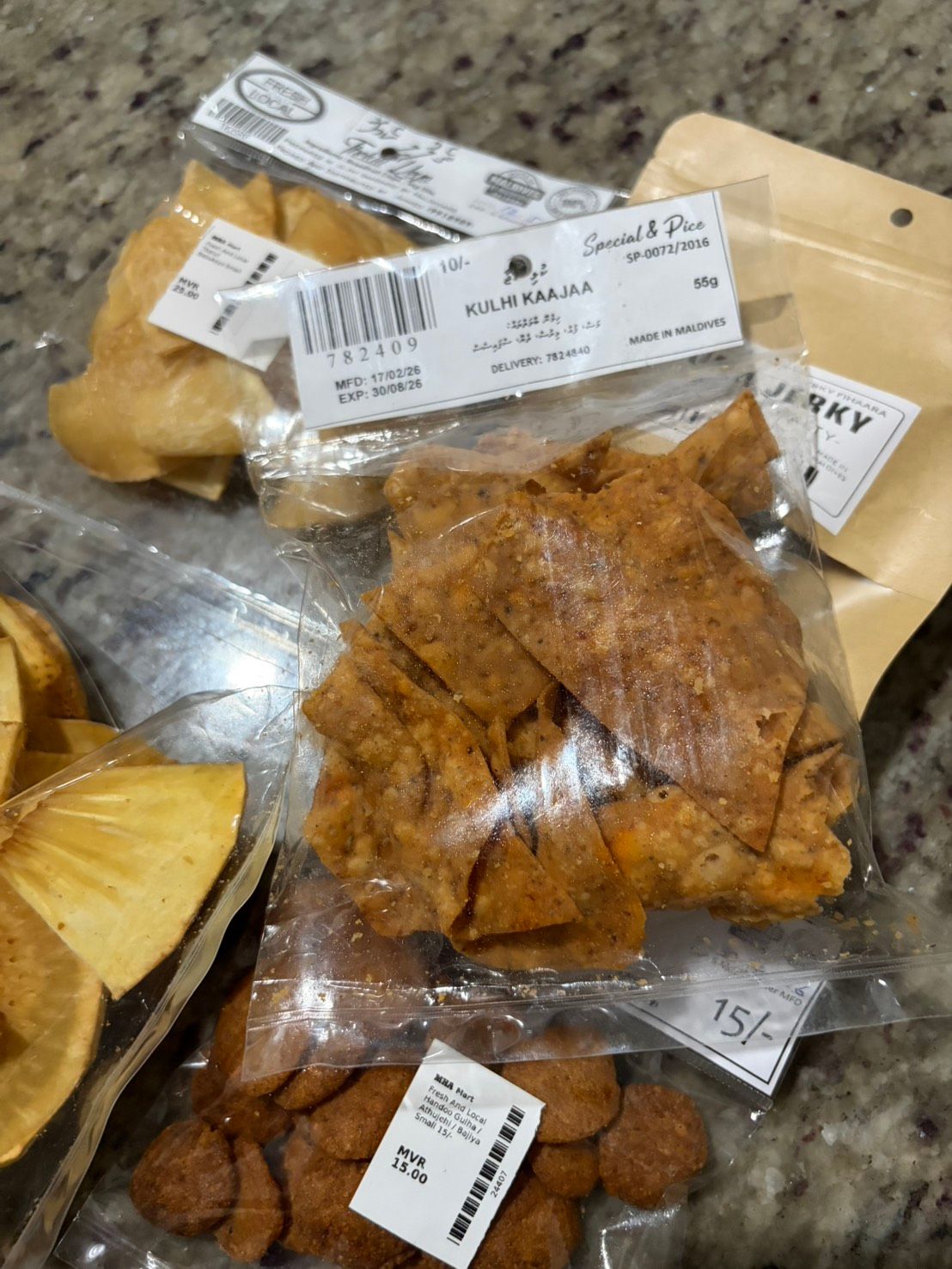
‘คูลฮี คาจา’ ขนมเผ็ดรสเด็ดของมัลดีฟส์ (ภาพ: พีรชัย พสุทันท์)
ในคืนเดียวกันนั้น ซานี ซิมาดฮ์ สมาชิกกลุ่มเยาวชนประจำยูนิเซฟมัลดีฟส์ ยังพาเราเดินไปยังชายหาดเทียมเล็ก ๆ ใกล้มัสยิด King Salman ถึงจะอยู่ในเขตเมืองพลุกพล่าน แต่น้ำทะเลบนหาดแห่งนี้ยังคงใส และสัมผัสความสงบบางอย่างได้ จากหาดนี้ ยังสามารถมองเห็นวิวของสะพาน Sinemale และสนามบินนานาชาติ Velana โฉมใหม่ที่ส่องแสงสว่างจากอีกฟากฝั่งได้อีกด้วย ทั้งนี้ พวกเราบังเอิญเจอขบวนประท้วงขบวนหนึ่งกำลังเคลื่อนตัวพอดี ทราบมาว่า การประท้วงครั้งนี้มีสาเหตุจากการสั่งแบนสารคดีเรื่องหนึ่งและการดำเนินคดีกับนักข่าวที่เกี่ยวข้อง สารคดีเรื่องดังกล่าวอ้างว่า ผู้นำของมัลดีฟส์มีความสัมพันธ์เชิงชู้สาวกับทีมงานของตัวเอง การเคลื่อนไหวเช่นนี้คงไม่ใช่สิ่งที่จะเห็นกันได้บ่อย ๆ ในเมืองหลวงแห่งนี้ครับ
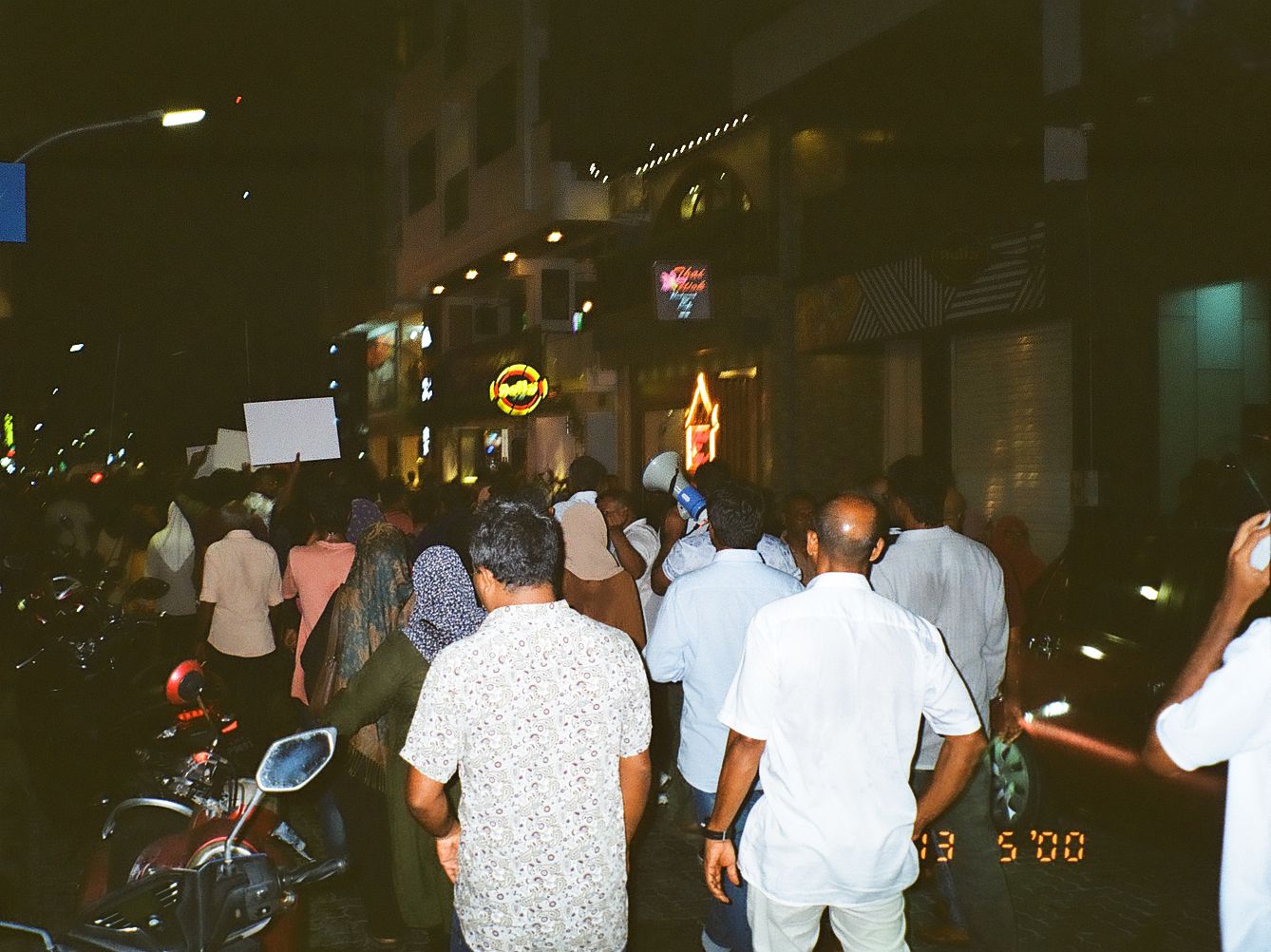
การประท้วงในมัลดีฟส์ที่ผู้เขียนบังเอิญเจอพอดี (ภาพ: พีรชัย พสุทันท์)
มัลดีฟส์ การพัฒนา และการรับมือภาวะโลกรวน
อีกคืนหนึ่ง พวกเรานั่งรถเมล์ไปกินอาหารจีนที่ฮูลูมาเล (Hulhumalé) ซึ่งยังคงอยู่ในเขตเมืองหลวง ถึงจะเต็มไปด้วยผู้คน มอเตอร์ไซค์ และอาคารที่อยู่อาศัย แต่แวดล้อมโดยรวมของฮูลูมาเลนั้นกว้างขวางและโมเดิร์นกว่าในตัวเมืองมาเลอย่างมาก หากดูประวัติการพัฒนาเมือง ฮูลูมาเลเป็นโครงการถมทะเลที่เริ่มต้นนับตั้งแต่ปี พ.ศ. 2540 ปัจจุบันมีอยู่ 2 เฟส ครอบคลุมพื้นที่ 4.28 ล้านตารางเมตร อยู่เหนือระดับน้ำทะเล 2 เมตร และคาดว่าสามารถรองรับประชากรได้เกือบ 350,000 คน ด้วยชื่อเล่น “เกาะแห่งความหวัง” ฮูลูมาเลสะท้อนความพยายามของมัลดีฟส์ในการ “ทวงคืนแผ่นดิน” ก่อนที่เกาะหลายแห่งจะจมหายไป
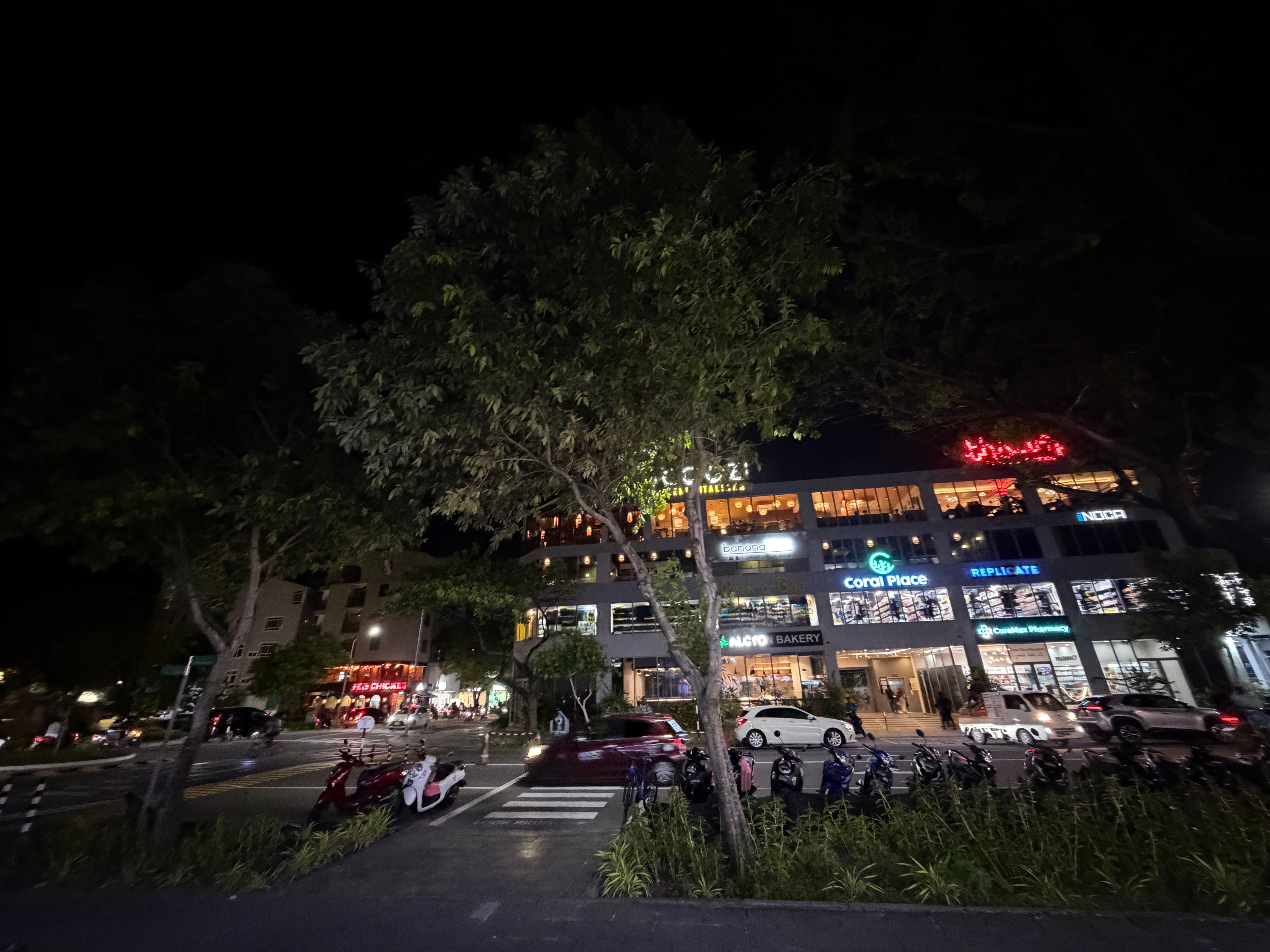
บรรยากาศของฮูลูมาเล ที่แตกต่างจากมาเลพอสมควร (ภาพ: พีรชัย พสุทันท์)
ประมาณการกันว่า ทุกปี ระดับน้ำทะเลในมหาสมุทรอินเดียสูงขึ้น 3-4 มิลลิเมตร ภายในปี 2593 เกาะที่ราบต่ำในมัลดีฟส์จะไม่สามารถอยู่อาศัยได้ และเมื่อถึงปี 2643 ระดับน้ำทะเลอาจหนุนสูงขึ้น 0.5-1 เมตร นี่จะทำให้มัลดีฟส์ได้รับผลกระทบจากภาวะโลกรวนก่อนเป็นประเทศแรก ๆ เคยมีข่าวในอดีตอยู่ครับว่า มัลดีฟส์อาจซื้อที่ดินในศรีลังกา อินเดีย หรือออสเตรเลียไว้เป็นหลักประกัน แต่ดูเหมือนว่าตอนนี้ การถมทะเลจะเป็นคำตอบในการรับมือปัญหาน้ำทะเลหนุนสูงของมัลดีฟส์
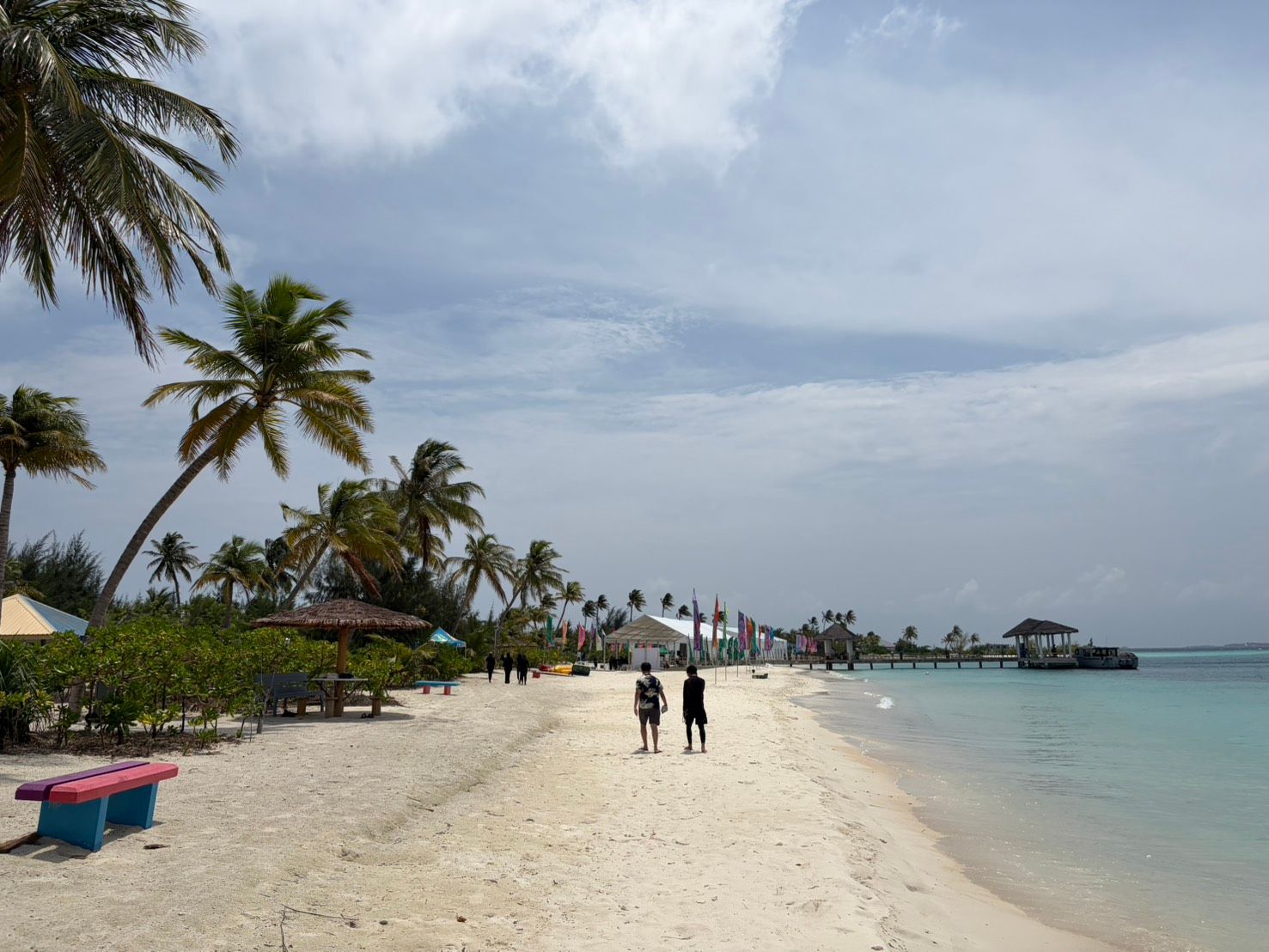
คูดากิรี (Kudagiri) เกาะถมทะเลที่เป็นสถานที่สันทนาการของชาวมัลดีฟส์ (ภาพ: พีรชัย พสุทันท์)
ในฐานะคนมัลดีฟส์คนหนึ่ง อาเหม็ด ชาคีบ กรรมการผู้จัดการของ Public Media Service (PMS) มองว่า ภาวะโลกรวนนั้นเป็นเรื่องที่น่ากังวลที่สุดในมัลดีฟส์ “ผมคิดว่าถ้าระดับน้ำทะเลสูงขึ้น ก็จะมีผลกระทบกับเราครับ เพราะแผ่นดิน [ส่วนใหญ่] อยู่เหนือระดับน้ำทะเลไม่ถึง 1 เมตร ดังนั้น ถ้าน้ำทะเลสูงขึ้น 1 นิ้ว.. 2.. 3.. หรือ 4 นิ้ว สภาพอากาศเปลี่ยน คลื่นสูงขึ้น มันก็จะส่งผลเสียต่อเราได้ครับ” เขากล่าว ขณะเดียวกัน ภาวะประชากรล้นเมืองก็นำไปสู่การสร้างพื้นที่ถมทะเลแห่งใหม่ ๆ ขึ้นมา อย่างเช่นราสมาเล (Ras Malé) ทางตอนใต้ของมาเล ซึ่งจะใหญ่กว่าฮูลูมาเลเกือบ 3 เท่า และเป็นโครงการถมทะเลที่ใหญ่ที่สุดของมัลดีฟส์
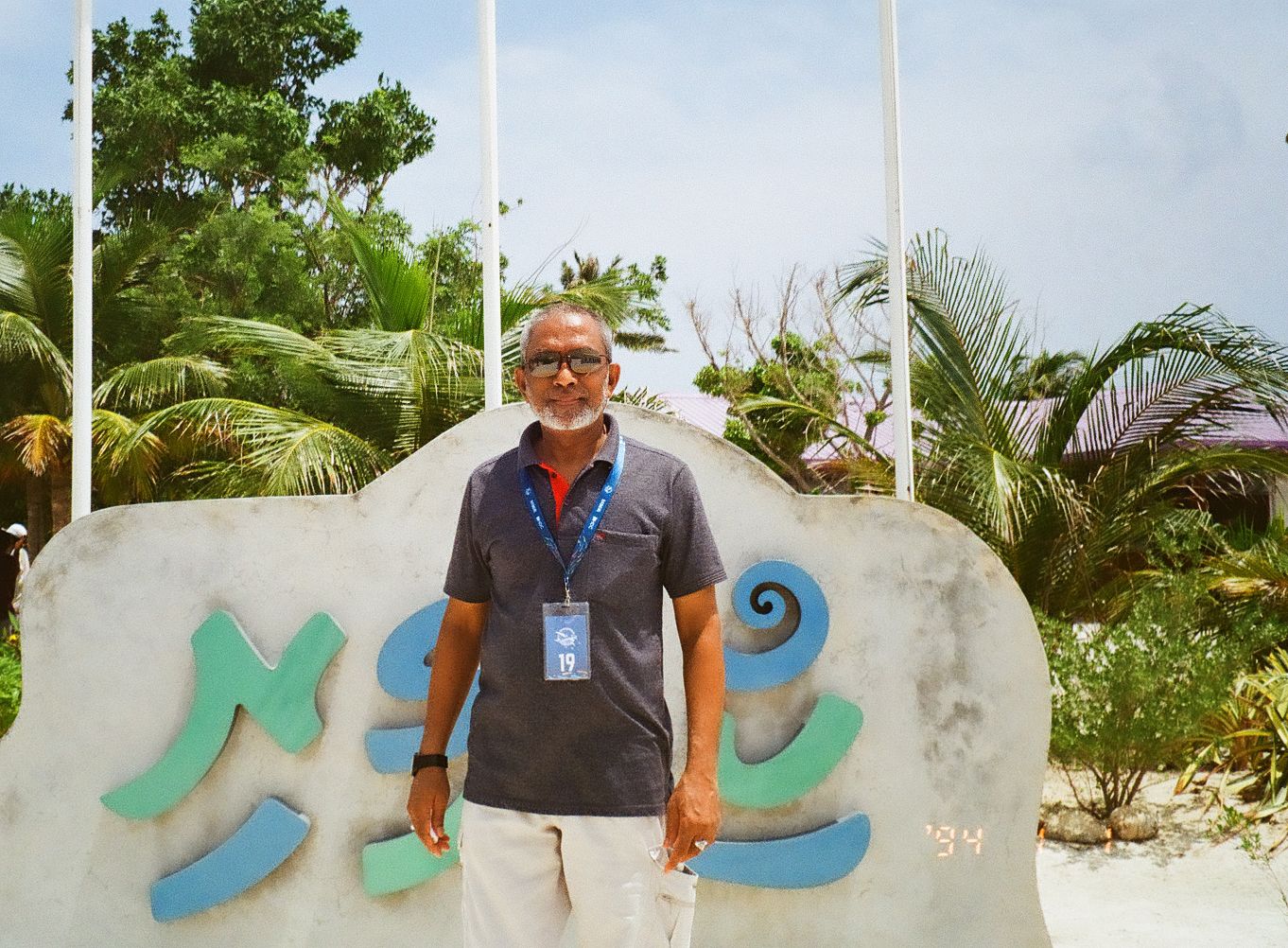
อาเหม็ด ชาคีบ กรรมการผู้จัดการของ Public Media Service (ภาพ: พีรชัย พสุทันท์)
การถมทะเลขึ้นมาสักครั้งย่อมเกิดข้อกังวลด้านสิ่งแวดล้อม และสร้างผลกระทบต่อระบบนิเวศอย่างเลี่ยงไม่ได้ ชาคีบกล่าวว่า ประเด็นเหล่านี้ไม่ได้ถูกมองข้ามละเลยไป “เมื่อเราจะทำโครงการแบบนี้ เราประเมินความเสี่ยงด้านสิ่งแวดล้อม และพยายามจำกัดผลกระทบด้านลบครับ” เขาตอบข้อสงสัยของแจ๊กกี มานาบัต สื่อจากฟิลิปปินส์ที่นั่งสนทนาด้วย “การถมทะเลมีผลกระทบครับ แต่การทำกิจกรรมต่าง ๆ เช่น การปลูกเพาะปะการังนั้น – ถ้าให้ผมพูด – ก็เป็นสิ่งที่เราพยายามฟื้นฟู ให้สิ่งที่เสียไปได้กลับคืนมาครับ”
อีกเรื่องหนึ่งที่ผู้เขียนสงสัยคือ ชาวมัลดีฟส์ “ต่อต้าน” นักท่องเที่ยวบ้างหรือเปล่า เพราะในปัจจุบัน คนท้องถิ่นในเมืองท่องเที่ยวหลายแห่งไม่พอใจต่อนักท่องเที่ยวที่เข้ามาเยอะเกินไป จนทำให้ค่าครองชีพพุ่งสูงขึ้นและเบียดบังทรัพยากรชุมชน “ไม่ครับ การท่องเที่ยวเป็นจุดขายหลักเลยนะ และเราน่าจะเป็นประเทศเดียว – หรือไม่กี่ที่บนโลก – ที่มี [อุตสาหกรรมท่องเที่ยว] แบบนี้ คือ นักท่องเที่ยวจะไปพักที่เกาะส่วนตัว [ทำให้] นักท่องเที่ยวและคนท้องถิ่นไม่ได้อยู่รวมกัน [แบบในเมืองใหญ่อื่น ๆ] เราเลยไม่มีปัญหาเกี่ยวกับการท่องเที่ยวครับ” ชาคีบกล่าว
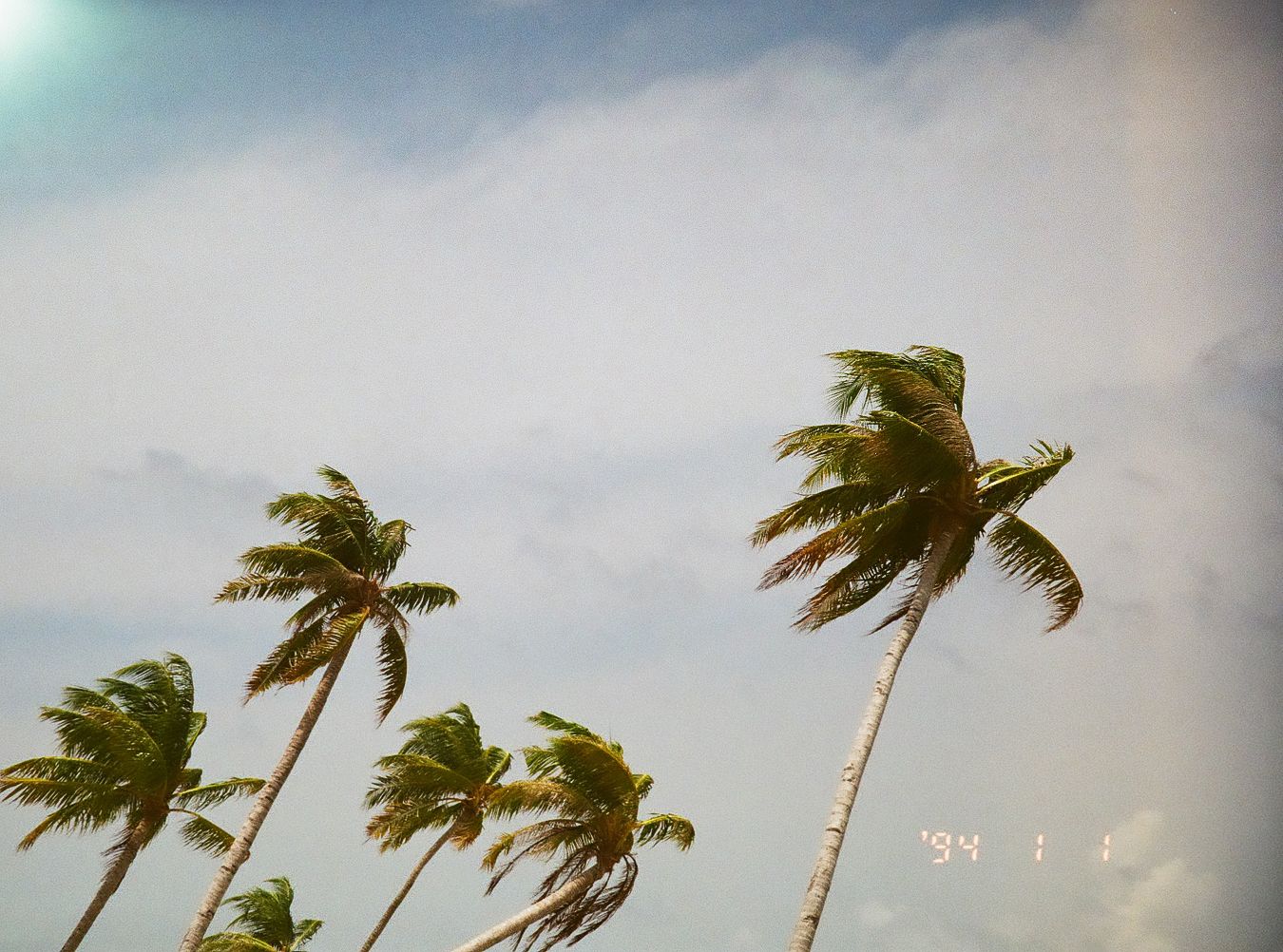
ความยืดหยุ่นและการปรับตัวตามแรงลม อาจเป็นปรัชญาชีวิตที่สำคัญที่สุดของชาวมัลดีฟส์ (ภาพ: พีรชัย พสุทันท์)
ทริปครั้งนี้ทำให้ผู้เขียนเห็นว่า แม้แต่สรวงสวรรค์บนดินอย่างมัลดีฟส์ก็ต้องเผชิญความท้าทายหลายอย่าง กระนั้นก็ดี ชีวิตชีวา ความยืดหยุ่น และความตระหนักรู้คือสิ่งสำคัญที่ทำให้ผู้คนบนประเทศหมู่เกาะแห่งนี้ฝ่าฟันมรสุมต่าง ๆ ไปได้ มัลดีฟส์จึงไม่ได้มีแค่ความสวยงามทางธรรมชาติ แต่ยังสะท้อนความงดงามของชีวิตด้วยเช่นกัน และความงามทั้ง 2 ประการก็ควรค่าแก่การรักษาไม่ให้สูญหายไปกับกระแสธารของภาวะโลกรวน
อ่านบทความ 2 ภาษาที่น่าสนใจจากไทยพีบีเอส
- จุดเดือดของวงการ ‘บุฟเฟต์ไทย’ | Thailand’s Buffets Battle
- ‘ทักษะภาษาอังกฤษ’ ยิ่งส่งเสริม ยิ่งถดถอย ? | How to Boost English Proficiency among Thais?
- สำรวจจักรวาล ‘ซอฟต์พาวเวอร์ไทย’ ผ่านมุมมองหลากหลาย | Discover Thai Soft Power from Different Angles
The Maldives has long been best known for its heavenly beaches, clear water and beautiful islands. Beyond these natural highlights, the country also has other facets to explore, which I personally did not expect during my first-ever trip there to attend the Asia Media Summit 2026. The following are some of the things I was able to capture and record there with my old film camera, in a little free time I had.
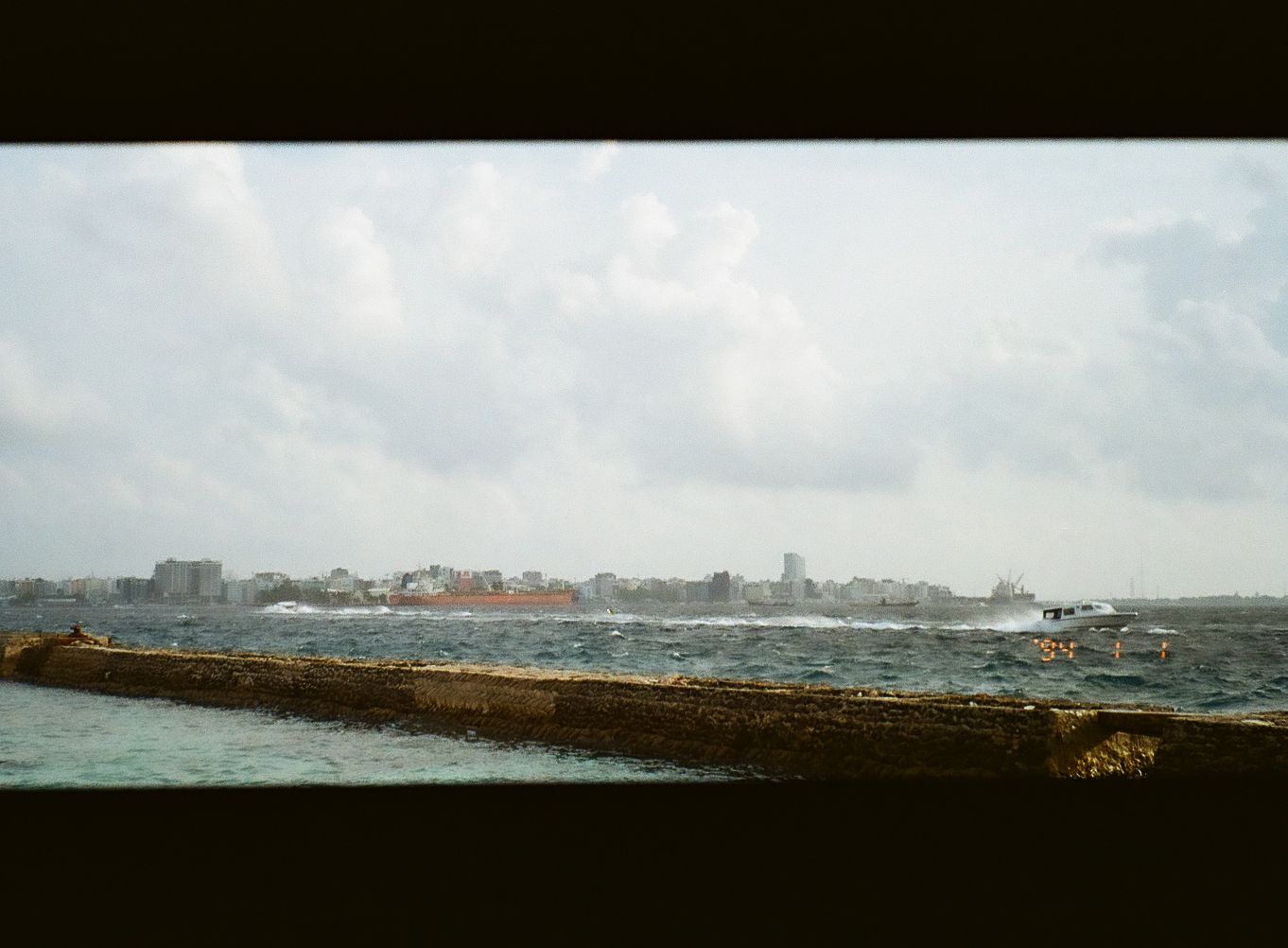
A view of the Maldives’ capital, Malé, from my hotel. (Photo: Peerachai Pasutan)
The life and (the motorcycles’) lights of Malé, the Maldivian capital
While isolated island resorts offer peace and the Indian Ocean’s beauty, Malé, the Maldives’ capital, is full of liveliness and… motorcycles! As you may know, Malé is one of the most densely populated cities on Earth. Wherever you go, there are always people and scooters on both sides of the streets. To me, residents seemed to enjoy spending time outdoors. While wandering, I accidentally played football (actually, I just kicked the ball back to the field) and walked with the locals around the Ekuveni Cricket Ground. Now, I felt like I had absorbed everyday Maldivian life.
One night, after finishing dinner, my colleagues from the Summit and I had a little promenade (well, to be precise, it was 4 kilometers) through downtown until 11 P.M. All the shops were still open as if they were holding midnight sales. Out of curiosity, I asked our local Naza Nazeem, Vice President of the Maldives’s Presidential Youth Advisory Board, if people were normally up “this late” at night. She said yes, and that on Friday nights, they are simply sleepless. This kind of lifestyle did remind me of the Mediterranean mindset to stay up until dawn. Plus, plain, all the crowded buildings and narrow streets of Malé made me think of Thessaloniki, the Greek city where I had studied for a year.
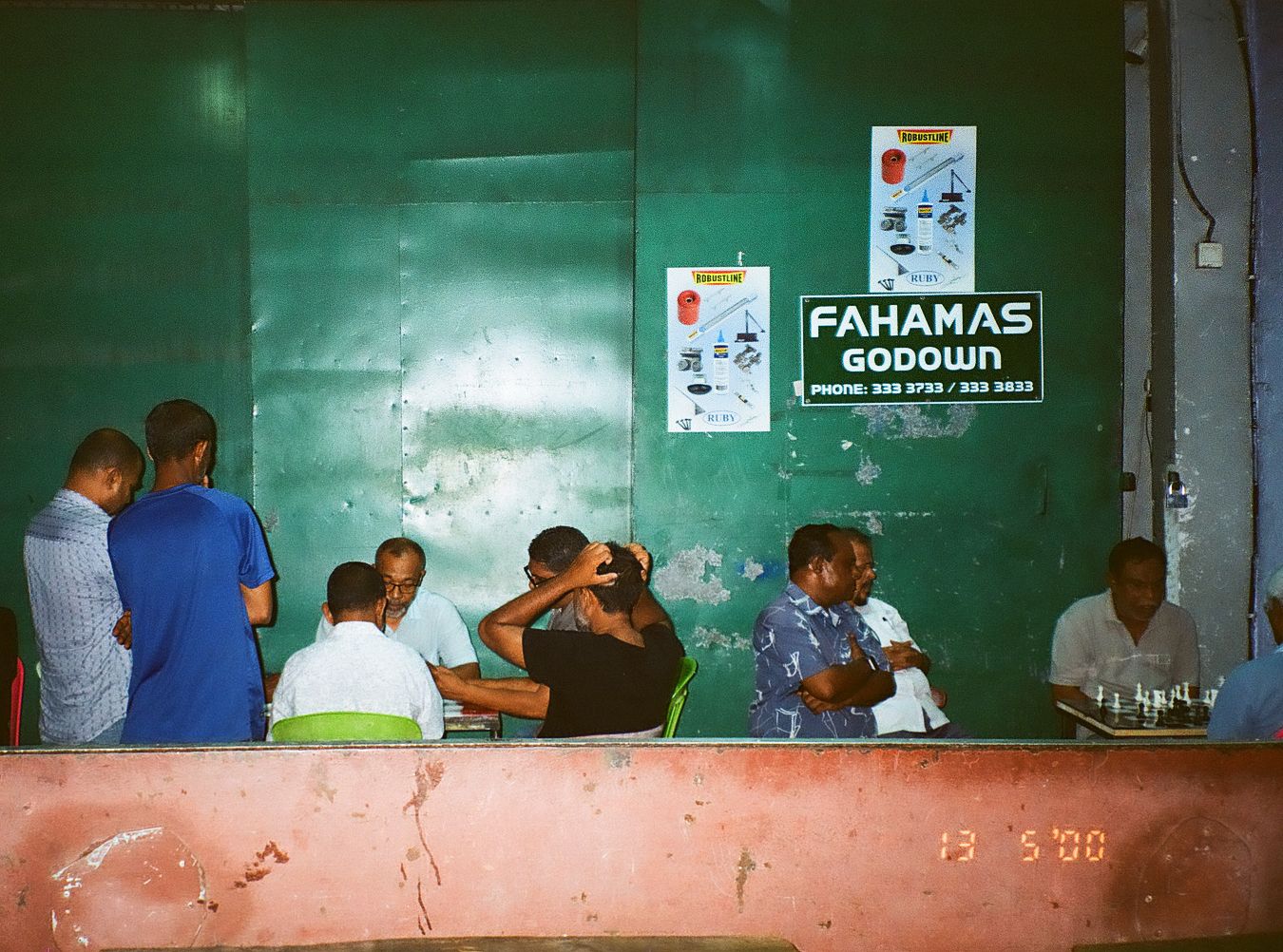
A group of Malé residents were hanging out late at night. (Photo: Peerachai Pasutan)
Speaking of dinner, I should talk about gastronomy. Generally, Maldivian dishes are rich in spices, similar to the cuisine of other South Asian countries. According to my personal observations, tuna appears to be a must-have ingredient one way or another. You may have it as grilled fillets; you may find it in ‘rihaakuru,’ a thick, tuna-based paste; or you can buy a pack of tuna jerky in a neighbourhood supermarket. One particular tuna-based product you should not miss is ‘kulhi kaajaa’ (meaning ‘spicy snacks’ in Dhivehi), or deep-fried pieces of dough mixed with tuna and spices. I couldn’t stop eating these chips after Naza gave me some to try. And I ended up all the packages of kulhi kaajaa in a store to bring back them to my family and colleagues.
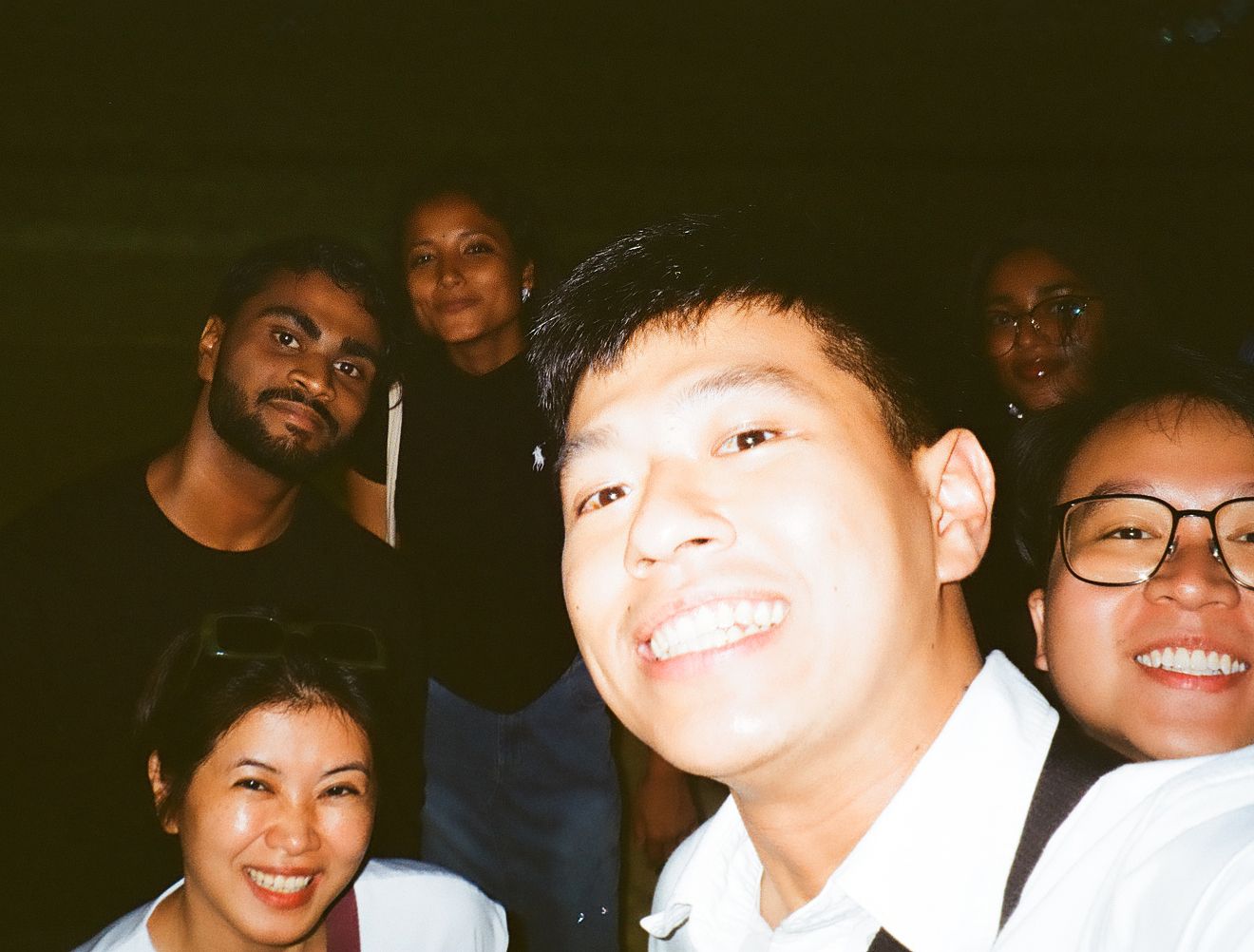
I (almost) successfully took a selfie on Malé’s artificial beach, featuring Saani (male, left) and Naza (female, right). (Photo: Peerachai Pasutan)
The same night, Saani Simaadh, Youth Cohort Member of UNICEF Maldives, took us to an artificial beach near the King Salman Mosque. Despite the congested location, you can see clear water and feel an inexplicable serenity on the beach. The Sinamalé Bridge and the shining, recently-renovated Velana International Airport can be observed from here as well. However, that night was a bit different from the others, as we witnessed a protest moving through traffic. I later knew that the demonstration originated from the ban on a documentary and the arrest of the journalists involved. The documentary alleged that the Maldivian president had an affair with his former staff member. So, obviously, it was not something you see in everyday Maldivian life.
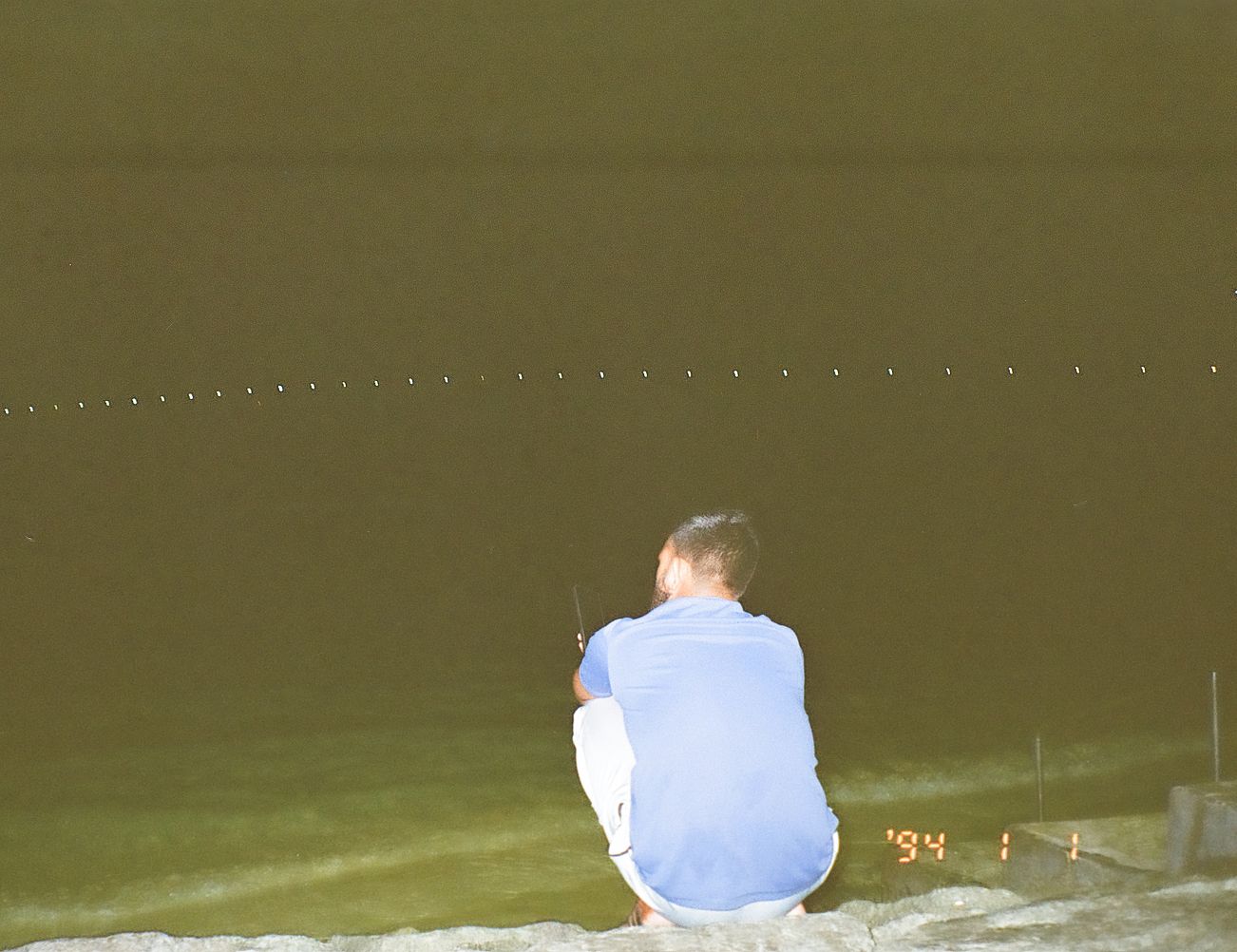
A man came to the artificial beach, talking on the phone. (Photo: Peerachai Pasutan)
The Maldivian challenges
On another night, we took a bus to have dinner at a Chinese restaurant in Hulhumalé, situated just minutes away from the airport. Development in the Hulhumalé reclaimed island has been underway since 1997, covering 428 hectares and rising 2 meters above the sea level. The project is divided into two phases, with an approximate housing capacity of roughly 350,000 people. You can always find crowds, motorcycles and identical buildings, but the city definitely looks more modern and spacious than Malé. Nicknamed “city of hope,” Hulhumalé reflects the Maldives’ efforts to combat increasing sea-level threats, which are factors behind sinking islands.
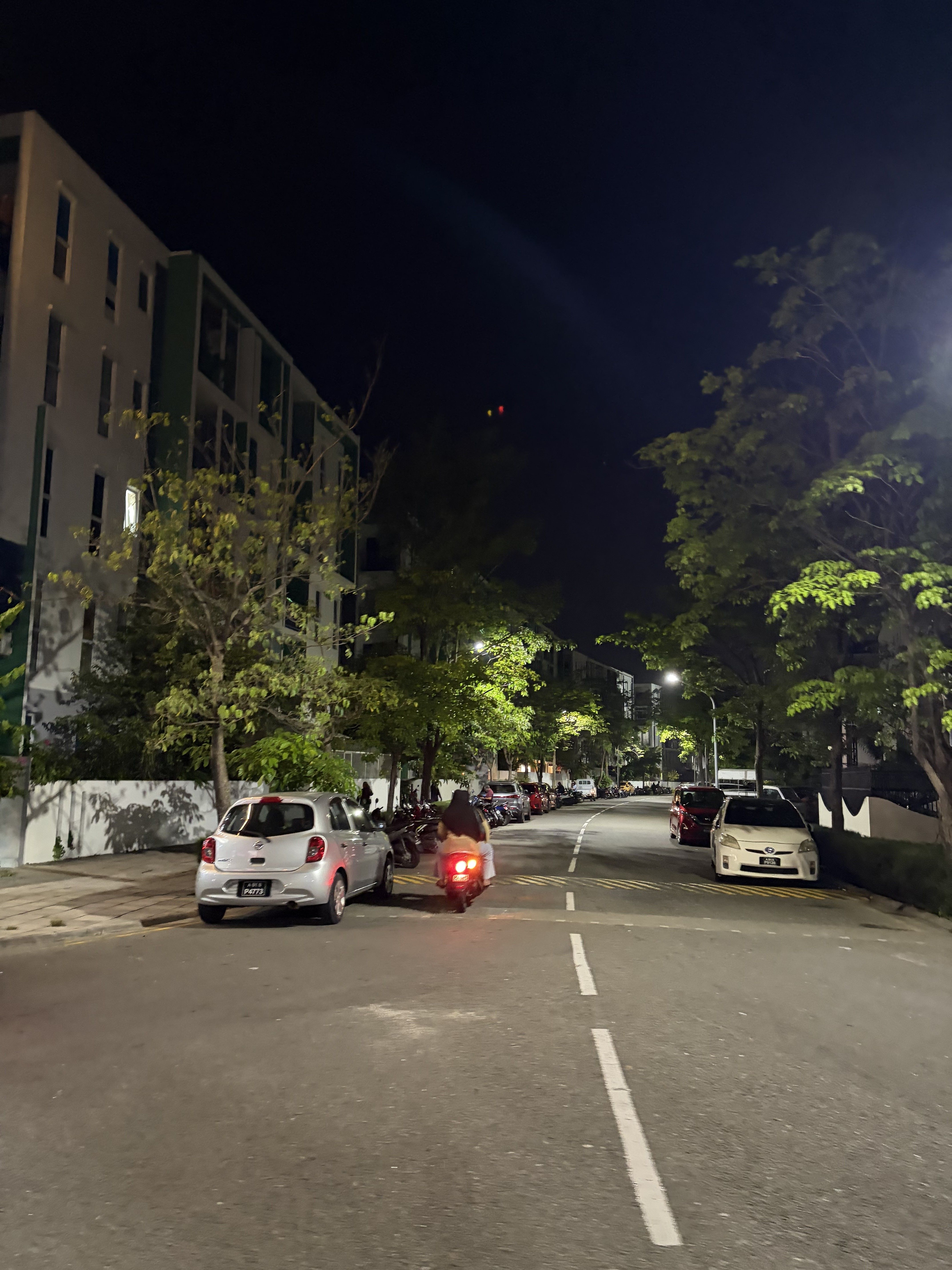
Streets in Hulhumalé are wider than in Malé. (Photo: Peerachai Pasutan)
According to estimates, the sea level in the Indian Ocean goes up 3-4 millimeters each year. By 2050, low-lying islands in the Maldives will become uninhabitable. By the end of 21st century, the Maldives will be one of the first small nations to bear the brunt of climate change consequences, as the sea levels are projected to rise by 0.5-1 meter. Some might recall hearing years ago about the Maldives’ plans to purchase land in Sri Lanka, India or Australia to relocate its population. Nevertheless, it seems that land reclamation is the main priority in the fight for its existence against rising oceans.
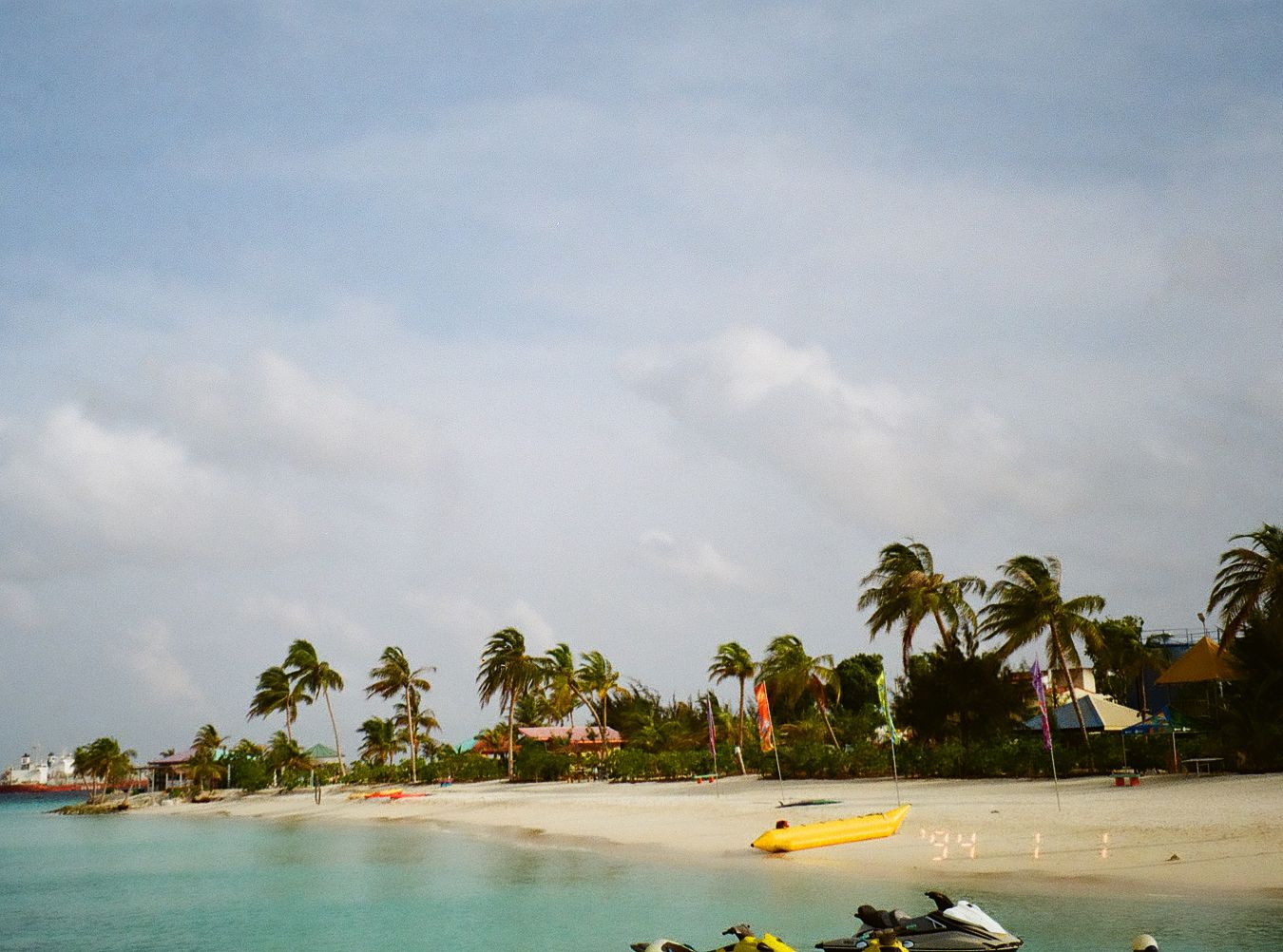
Kudagiri, another reclaimed island of the Maldives, is a recreational space for the locals. (Photo: Peerachai Pasutan)
From a local perspective, Ahmed Shakeeb, Managing Director of Public Media Service (PMS), viewed global warming as the most preoccupying issue to his homeland. “I think if the sea level rises, definitely it will be an impact on us. Because most of our land is on an average less than 1 meter above this water. So, if there's any 1 inch, 2 inches, 3 inches, or 4 inches of [the] sea level rise, then definitely, you know, with the change of weather, the waves rising up, I think that can be an adverse effect on us,” he added. At the same time, overcrowding is another factor driving reclamation (mega)projects, such as the Maldives’ largest land reclamation initiative Ras Malé. When completed, the landmass in Ras Malé will be three times bigger than the total area of Hulhumalé.
Any land reclamation project inevitably raises environmental concerns and affects the ecosystem, noted my Filipino colleague Jacquelyn Manabat during our discussion. Shakeeb responded that potential environmental impacts are not being ignored: “When we do a project like this, we do [an] environmental impact assessment. And we try to minimize the negative impact of the project. So, reclaiming land does have some amount of negative impact, but by doing activities like coral planting and propagating, that's what we try to, if I may say, regain what we have lost.”
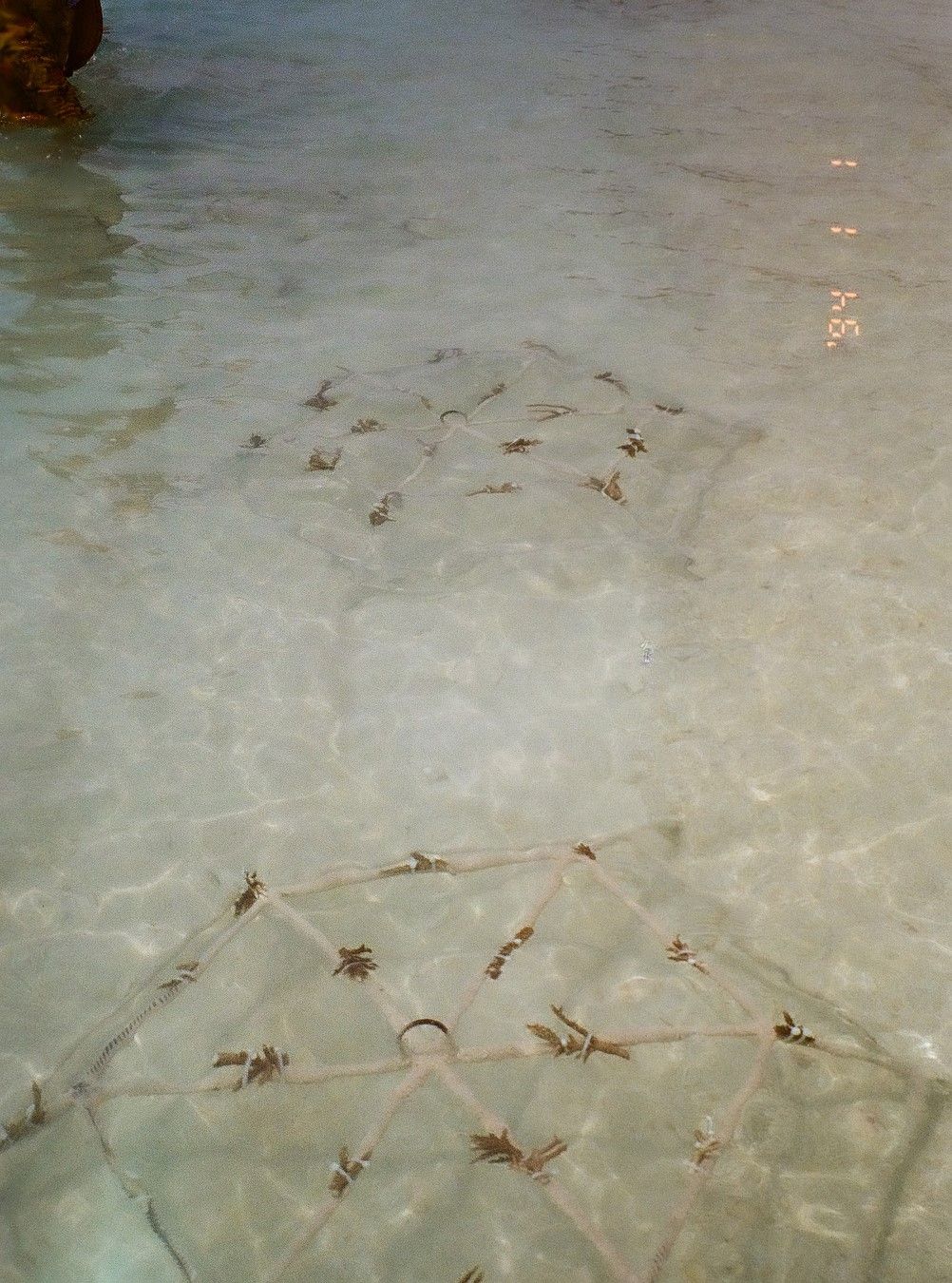
Coral planting is one way to restore the maritime ecosystem in the Maldives. (Photo: Peerachai Pasutan)
I also had another question. Given that local residents in some of the world’s most visited cities have pushed back against tourists, blaming them for higher living cost and resource depletion, is this also happening in the Maldives? “No, the Maldivians are not against tourism,” he answered. “I think that probably [the] Maldives may be one of the few countries, if not the only one, that have a [tourism] model like this: We have tourists coming here for their private islands. There may be some local people working there, but the locals and the tourists are not mingled together [unlike in other destinations.]”
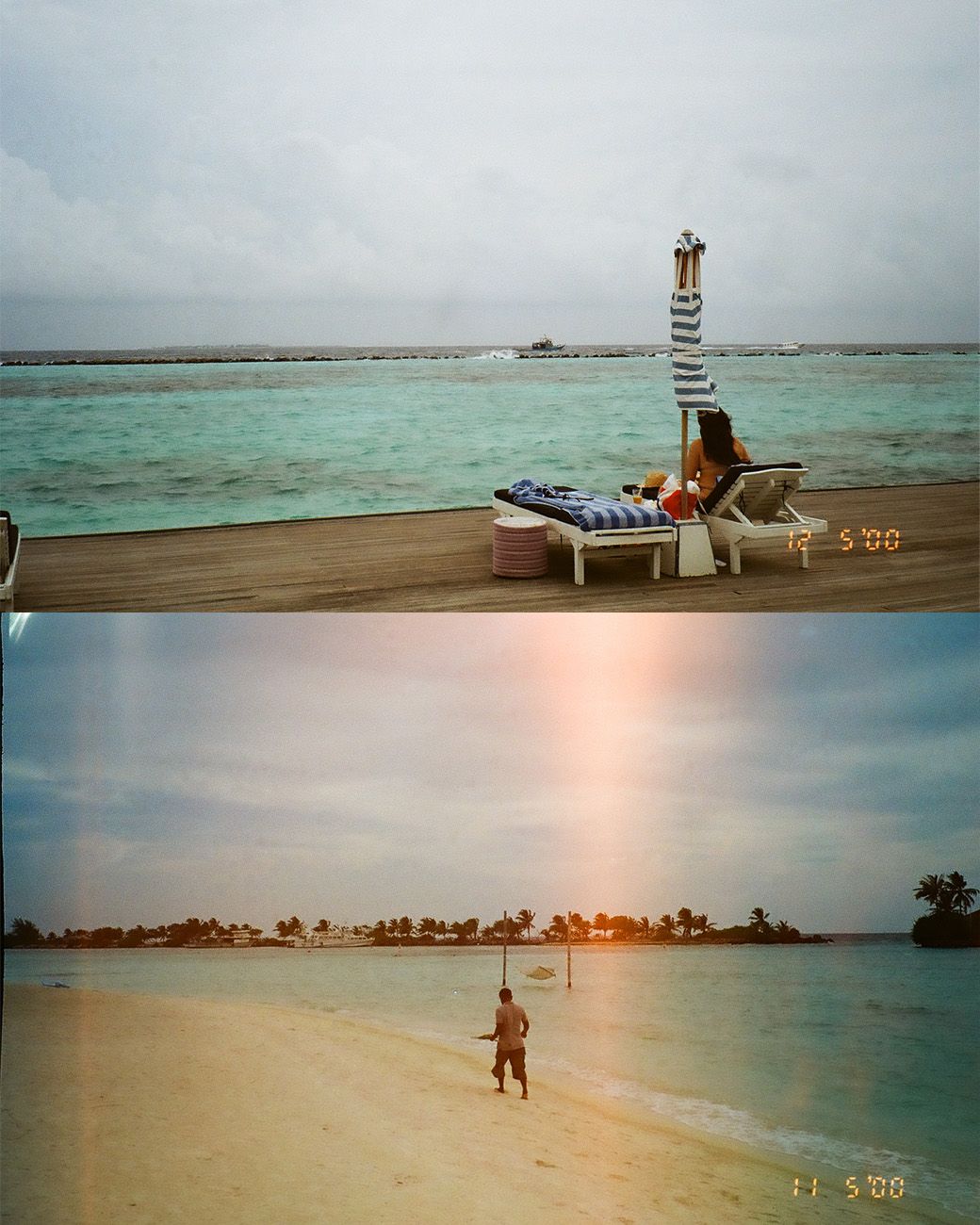
According to Shakeeb, tourists and locals are not usually mingled, unlike in other tourist destinations. (Photo: Peerachai Pasutan)
This Maldivian trip taught me a lesson: Even the paradise on Earth has its own challenges and struggles. But most importantly, vigor, resilience and awareness are essential to the people, allowing them to weather any storm. Not only does the Maldives’ beauty lie in its nature, but also in its way of life and mentality. All this beauty is worth protecting, and it should not be washed away by the tides of climate change.
Read more bilingual articles from Thai PBS
- The Future of Global Public Media
- When Cyber Scam Operations Ravage ASEAN
- Astronomy & Astrology: Two Sides of the Same Coin
อ้างอิง | References
- A new island of hope rising from the Indian Ocean, BBC
- Hulhumalé Land Use Plan, Housing Development Corporation (HDC)
- Maldives jails two journalists for reporting on president’s alleged affair, Aljazeera
- Paradise almost lost: Maldives seek to buy a new homeland, The Guardian
- Preparing for Rising Seas in the Maldives, NASA
- Rasmalé, Housing Development Corporation (HDC)
- Rising to the climate challenge: How the Maldives can thrive in a warming world, World Bank Blog
Words: Peerachai Pasutan
Contributors: Jacquelyn Manabat and Atiwat Ratchatawarn
Administration: Darunee Eiamsomboon, Ruthai Thamsatha and Supatra Sangkananont
Special thanks: Vanchai Tantivitayapitak, Adisak Limparungpatanakij, Somchai Bhudachandra, Kanokporn Prasitphon, the Asia-Pacific Institute of Broadcasting Development (AIBD) and Public Media Service (PMS)
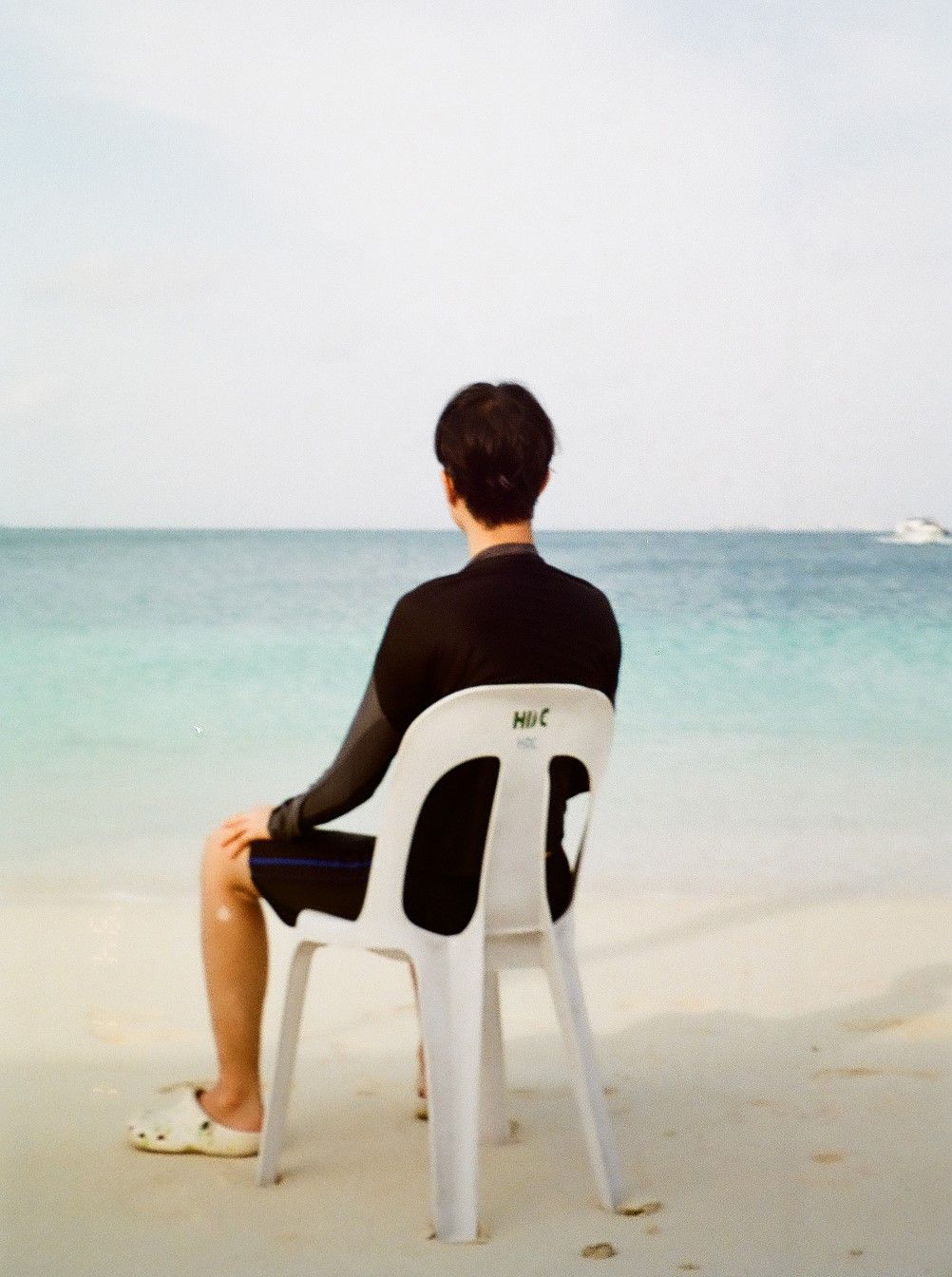
If ‘Waiting for Godot’ were set up in the Maldives, I think this could be its key art. (Photo: Peerachai Pasutan)