
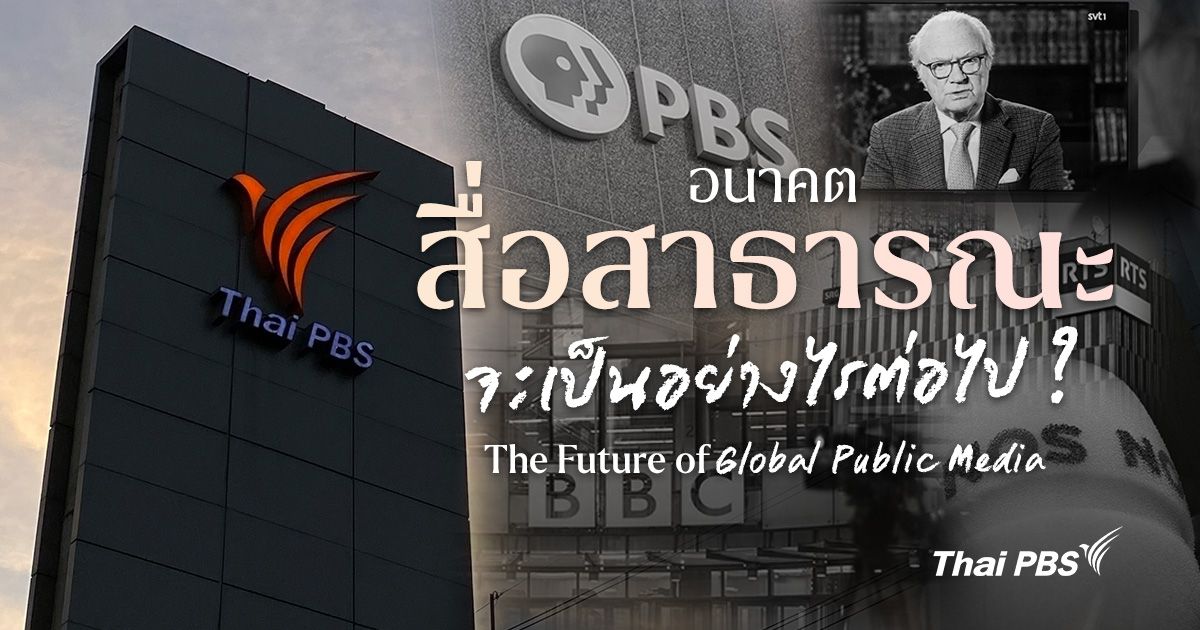
‘สื่อสาธารณะ (public media)’ มีบทบาทต่อชีวิตประชาชนในหลายประเทศ แต่ในปัจจุบัน สื่อสาธารณะเองก็เผชิญกับความท้าทายรอบด้าน ไม่ต่างจากวงการอื่น ๆ
Public media plays a significant role in many societies. Nevertheless, public media around the world now faces challenges and digital disruption. [Scroll down for the English version]
ตามนิยามของยูเนสโก (UNESCO) สื่อสาธารณะไม่ใช่สื่อพาณิชย์ (commercial) หรือสื่อที่ควบคุมโดยรัฐ (state-controlled) แต่เป็น “พื้นที่พบปะที่ต้อนรับพลเมืองทุกคนด้วยความเท่าเทียม เป็นทั้งเครื่องมือด้านข่าวสารและสาระความรู้ที่เข้าถึงทุกคน และทำมาเพื่อทุกคน ไม่ว่าจะมีสถานะทางสังคมหรือเศรษฐกิจอย่างไร” อีกทั้งยังช่วยเสริมสร้างจินตนาการและให้ความบันเทิงแก่สาธารณชนอย่างมีคุณภาพ โดยไม่มีผลกำไรเป็นที่ตั้ง
สื่อสาธารณะโลกมีความเป็นมาไม่ต่ำกว่า 100 ปี นับตั้งแต่ที่ BBC ก่อตั้งขึ้นในสหราชอาณาจักรเมื่อปี พ.ศ. 2465 ด้วยลักษณะการดำเนินงานที่เป็นอิสระจากกลุ่มทุนหรือการเมือง และผลิตผลงานโดยยึดประชาชนเป็นที่ตั้ง สื่อสาธารณะจึงสำคัญมากจน “อาจเป็นเครื่องมือที่ยอดเยี่ยมที่สุดของสังคมประชาธิปไตยในรอบศตวรรษ” ตามที่แอนโธนี สมิธ (Anthony Smith) โปรดิวเซอร์โทรทัศน์และนักเขียนชาวอังกฤษ เคยกล่าวเอาไว้
ขณะที่หลายคนจะเห็นความสำคัญ สื่อสาธารณะทั่วโลกก็ถูกตั้งคำถามเสมอมา โดยเฉพาะเรื่องความคุ้มค่าของภาษีประชาชนหรือค่าธรรมเนียมการรับชมรับฟัง (licence fee) ในบางประเทศ ยิ่งในยุค 5G เช่นนี้ที่ข้อมูลต่าง ๆ เข้าถึงง่ายด้วยอินเทอร์เน็ต สื่อสาธารณะมีตำแหน่งแห่งหนในชีวิตของพวกเราอย่างไรบ้าง ?

‘อุปสรรคร่วม’ ของสื่อสาธารณะทั่วโลก
เดิมที สื่อสาธารณะผูกติดอยู่กับ ‘สื่อดั้งเดิม (traditional media)’ ซึ่งประกอบด้วยโทรทัศน์ วิทยุ สิ่งพิมพ์ รวมถึงเว็บไซต์ ต่อมา เทคโนโลยีก็เอื้อให้เกิดอุปกรณ์และแพลตฟอร์มต่าง ๆ สื่อสาธารณะจึงต้องปรับตัวให้เข้ากับการเปลี่ยนแปลงใหม่ ๆ แต่ไม่ว่าจะอยู่ที่ใดและในรูปแบบใด สื่อสาธารณะก็ต้องดำเนินงานอย่างเป็นอิสระและโปร่งใส เพื่อประโยชน์ของพลเมืองและสังคมประชาธิปไตย
อย่างไรก็ตาม ปัจจุบัน สื่อสาธารณะทั่วโลก – หรือแม้แต่สื่อเอกชนเอง – กำลังประสบความท้าทายใหญ่ 3 ข้อซึ่งล้วนเกี่ยวพันกัน ได้แก่ การเข้ามาของแพลตฟอร์มและผู้สร้างสรรค์ดิจิทัล ทุนการดำเนินงาน และแรงกดดันจากฝ่ายการเมือง/เจ้าหน้าที่รัฐ
ปฏิเสธไม่ได้ว่า ทุกวันนี้ ผู้คนต่างติดตามข่าวสารหรือหาความบันเทิงกันบนโซเชียลมีเดีย โดยเฉพาะในรูปแบบวิดีโอ รายงานของ Reuters Institute ประจำปี 2568 ระบุว่า ร้อยละ 33 ของกลุ่มตัวอย่างทั่วโลกใช้ TikTok และร้อยละ 63 ใช้ YouTube ทุกสัปดาห์ กรณีศึกษาที่รายงานฉบับนี้ให้ความสนใจคือ ‘ประเทศไทย’ ซึ่งใช้ TikTok และ YouTube เพื่อดูข่าวเป็นหลักถึงร้อยละ 49 และ 55 ตามลำดับ สิ่งที่เกิดขึ้นตามมาก็คือ ‘อินฟลูเอนเซอร์ข่าว’ ที่เล่าหรือวิเคราะห์ข่าวด้วยท่าทีที่ไม่เป็นทางการมากนัก และเข้าถึงคนหมู่มากได้ง่าย
ความนิยมของสื่อโซเชียลมีเดียและแพลตฟอร์มสตรีมมิงต่าง ๆ ทำให้บทบาทของสื่อดั้งเดิมลดน้อยลง ตัวอย่างเช่น ในวงการโทรทัศน์ไทย ผู้ประกอบการทีวีดิจิทัลเอกชนบางรายคืนใบอนุญาตก่อนปี 2572 เนื่องจากไม่สามารถแข่งขันในตลาดได้ ส่วนไทยพีบีเอส – สื่อสาธารณะของไทย ได้ปรับช่องทางการเผยแพร่เนื้อหาสำหรับเด็กและการเรียนรู้ จากเดิมที่ออกอากาศบนช่อง ALTV มาอยู่ที่ช่อง Thai PBS หมายเลข 3, สตรีมมิง VIPA และเว็บไซต์ Thai PBS Kids เพื่อให้การเรียนรู้เกิดขึ้นได้ทุกที่ ตามพฤติกรรมผู้ดูผู้ชมที่เปลี่ยนไป
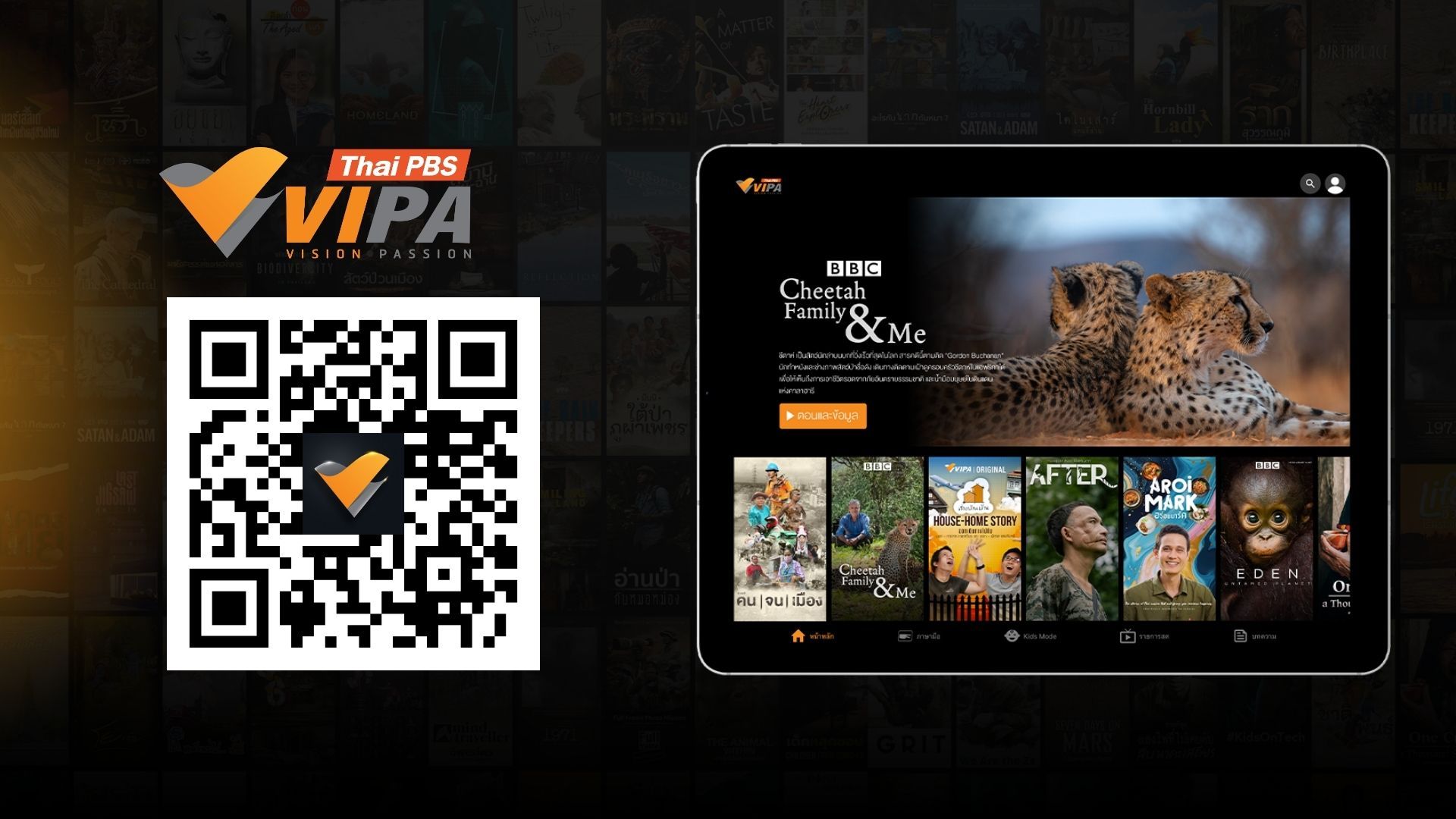
VIPA แพลตฟอร์มสตรีมมิงจากไทยพีบีเอส
ทุนการดำเนินงานนับเป็นอีกปัจจัยหนึ่งที่ข้องเกี่ยวกับอนาคตของสื่อสาธารณะทั่วโลก เงินเฟ้อและค่าใช้จ่ายที่สูงขึ้นทำให้สื่อสาธารณะจำเป็นต้องหามาตรการทางการเงินรองรับ ปี 2568 สื่อสาธารณะบางประเทศปรับค่าธรรมเนียมการรับชมรับฟังเพิ่มขึ้น เช่น สหราชอาณาจักร เก็บค่าธรรมเนียมดังกล่าวเพิ่ม 5 ปอนด์เป็น 174.5 ปอนด์ (ราว 7,370 บาท) ต่อปีต่อครัวเรือนสำหรับ BBC ส่วนสาธารณรัฐเช็กเก็บค่าธรรมเนียมโทรทัศน์เป็น 150 โครูนาเช็กต่อเดือนต่อครัวเรือน (ราว 227 บาท) เพื่อสนับสนุนการดำเนินงานของ Czech Television
ขณะเดียวกัน สื่อสาธารณะอเมริกันซึ่งดำเนินงานด้วยภาษีประชาชน ทั้ง NPR, PBS รวมถึงสถานีโทรทัศน์และวิทยุท้องถิ่นนับร้อยแห่ง ได้รับผลกระทบโดยตรงจากนโยบายของประธานาธิบดีโดนัลด์ ทรัมป์ (Donald Trump) งบประมาณสื่อสาธารณะ 1.1 พันล้านดอลลาร์สหรัฐ (34,390 ล้านบาท) ถูกยกเลิก อีกทั้งองค์การดูแลกิจการกระจายเสียงและแพร่ภาพสาธารณะสหรัฐฯ หรือ CPB ต้องยุติการดำเนินงานลง ไม่เพียงคนนับพันสูญเสียงาน แต่คนท้องถิ่น ชนพื้นเมือง และกลุ่มเปราะบางจะเข้าถึงข้อมูลข่าวสาร รวมถึงการแจ้งเตือนสาธารณภัยได้ยากขึ้น
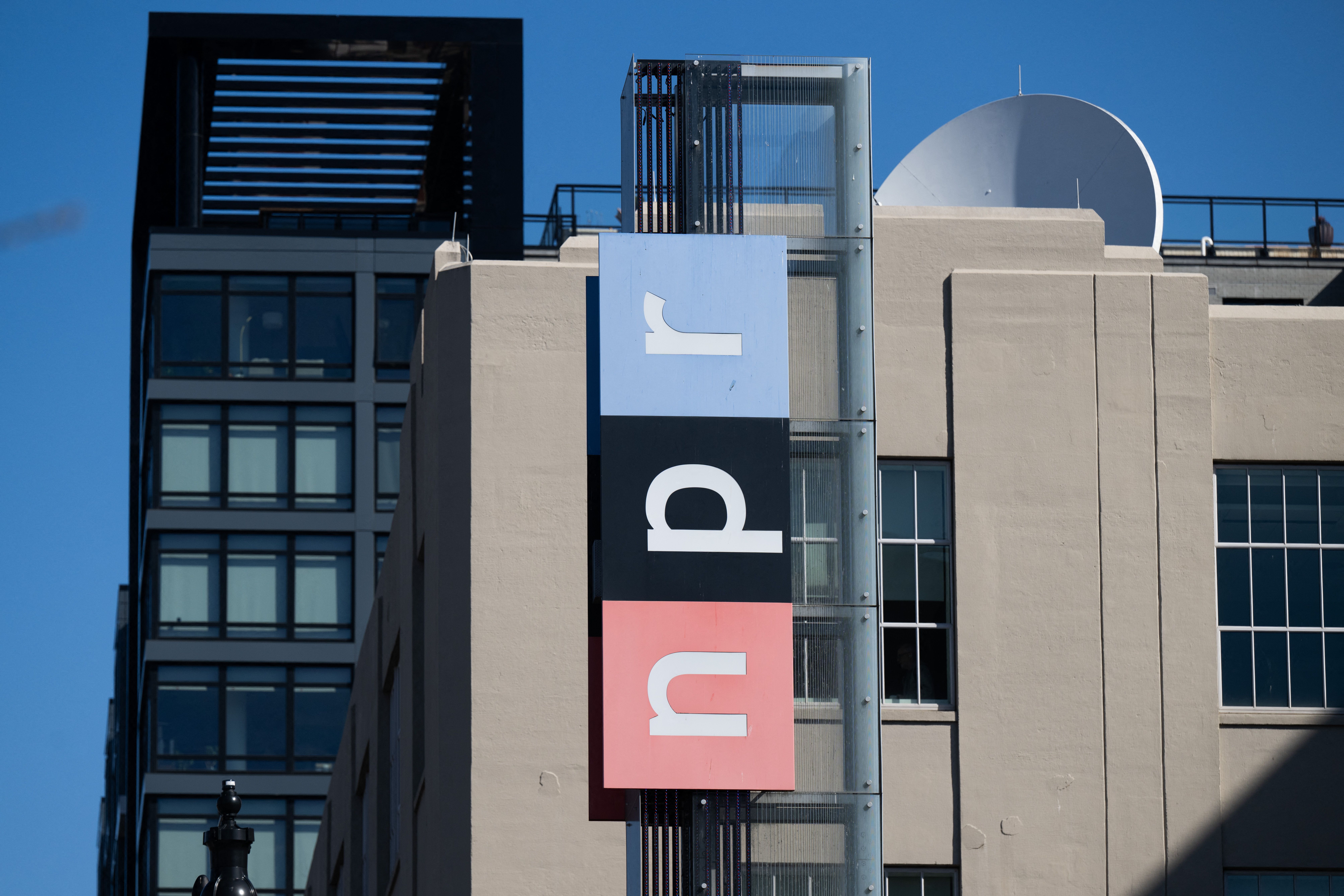
สำนักงานใหญ่ของ NPR วิทยุสาธารณะอเมริกัน ณ กรุงวอชิงตัน ดีซี (ภาพ: Saul Loeb/AFP)
เมื่อพูดถึงแรงกดดันจากฝ่ายการเมือง แรงกดดันที่ว่าอาจไม่ได้มาจากการตัดงบประมาณโดยตรง อย่างเช่นในสวิตเซอร์แลนด์ แม้จะได้รับความนิยมและความเชื่อใจสูงจากประชาชน แต่สื่อสาธารณะ SRG SSR อาจถูกตัดงบลง หากร่างกฎหมายลดค่าธรรมเนียมการรับชมรับฟัง – จาก 335 ฟรังก์สวิส (13,157 บาท) ต่อปีต่อครัวเรือน เหลือ 200 ฟรังก์สวิส (7,855 บาท) – ที่พรรคการเมืองฝ่ายขวา SVP/UDC ผลักดัน ผ่านประชามติในเดือนมีนาคมนี้ และก่อนหน้านี้ SRG SSR ได้เริ่มลดบุคลากรลงราว 900-1,000 คนลงให้เสร็จสิ้นภายในปี 2572
เจ้าหน้าที่รัฐก็อาจแทรกแซงสื่อสาธารณะเช่นกัน เมื่อปี 2563 รายการเสียดสี ‘Headliner’ ของสถานีโทรทัศน์สาธารณะ RTHK ในฮ่องกง ถูกองค์กรสื่อสารมวลชน หรือ Communications Authority ตักเตือนว่าไป “ด้อยค่า” บิดเบือนข้อมูล และดูหมิ่นตำรวจฮ่องกง จนสถานีฯ ต้องระงับการผลิตรายการดังกล่าว แม้ต่อมา ศาลชั้นต้นและศาลอุทธรณ์จะตัดสินว่า การแสดงออกเชิงเสียดสีไม่เกี่ยวกับการนำเสนอข้อเท็จจริง แต่รายการดังกล่าวก็ยุติการออกอากาศถาวรไปนับแต่นั้น
ขณะที่สื่อสาธารณะต้องรับมือกับอุปสรรคต่าง ๆ สังคมทั่วโลกก็กำลังเผชิญกับภัยข้อมูลข่าวสารหลายรูปแบบ ทั้งเนื้อหาจากปัญญาประดิษฐ์คุณภาพต่ำ (AI slops), การหลอกลวงทางออนไลน์, ข่าวปลอม และข้อมูลบิดเบือน ภัยเหล่านี้ไม่ได้เป็นอันตรายต่อปัจเจกบุคคลเท่านั้น แต่ยังกัดเซาะความจริงและคุณค่าประชาธิปไตย ดังที่ชเวตา มาตรี คานนัน เลขานุการเอก ฝ่ายวัฒนธรรมและข่าวสาร สถานเอกอัครราชทูตเยอรมนีประจำประเทศไทย กล่าวไว้ในงาน Talk for Truth – Fact Check Thailand 2026 เมื่อเดือนธันวาคม 2568
“เมื่อข้อมูลเท็จซ่อนอยู่เบื้องหลังสำนวนภาษาเชิงความคิดเห็น ซึ่งถูกตีกรอบในรูปของมุมมองส่วนตัว เรื่องเล่าเชิงอารมณ์ หรือคำกล่าวที่อิงอยู่บนพื้นฐานคุณค่า ทำให้ยากยิ่งขึ้นที่จะจัดการ ข้อมูลบิดเบือนไม่ได้โจมตีประชาธิปไตยโดยตรง แต่บ่อนเซาะความเชื่อใจโดยช้า ๆ อย่างเงียบเชียบและต่อเนื่องค่ะ” คานนันจึงให้ความเห็นว่า “พื้นที่เชิงสถาบันที่เป็นกลาง” มีความสำคัญในการปกป้องประชาธิปไตย “เพราะภาคพลเรือนไม่สามารถต่อสู้กับข้อมูลบิดเบือนได้เพียงลำพังค่ะ ต้องอาศัยการทำงานคู่ขนานกันไประหว่างสื่ออิสระ หน่วยงานด้านการตรวจสอบข้อเท็จจริง ตัวแสดงทางการเมือง และสถาบันที่ได้รับความเชื่อถือ”
นี่จึงเป็นเหตุผลหนึ่งที่สื่อสาธารณะยังคงจำเป็นในฐานะเสาหลักต้นหนึ่งของสังคมประชาธิปไตย คำถามต่อมาคือ แล้วสื่อสาธารณะทำอะไรบ้าง เพื่ออยู่เคียงข้างประชาชนอย่างแท้จริง ?
สื่อสาธารณะ กับ ‘พันธกิจ’ ที่มากกว่าการเผยแพร่ข้อมูลข่าวสาร
ถึงจะประสบกับกระแสดิสรัปชันและอุปสรรคต่าง ๆ สื่อสาธารณะทั่วโลกยังคงปรับตัวให้เข้ากับยุคสมัย โดยยึดสาธารณประโยชน์เป็นที่ตั้ง สื่อสาธารณะแห่งหนึ่งที่สามารถก้าวสู่โลกดิจิทัลได้เต็มตัว คือ NOS ของเนเธอร์แลนด์ ไม่เพียงแต่จะสร้างฐานผู้ติดตามบนโซเชียลมีเดียสำเร็จ NOS ยังต่อยอดผลิตภัณฑ์ของตัวเองให้เข้าถึงเด็กและคนรุ่นใหม่ได้ เช่น เกม ‘Jeugdjournaal [ข่าวรุ่นเยาว์]’ ที่จำลองสตูดิโอข่าวจากรายการในชื่อเดียวกัน โดยให้ผู้เล่นสวมบทบาทผู้สื่อข่าวและเล่นเกมตอบคำถามเกี่ยวกับข่าวได้

เกม Jeugdjournaal จากรายการข่าวรุ่นเยาว์ของเนเธอร์แลนด์ (ภาพ: YouTube NOS Jeugdjournaal)
ขณะที่ SVT สื่อสาธารณะของสวีเดน ยังคงยืนหยัดและได้รับความเชื่อมั่นจากประชาชนในระดับสูง แต่มีกลยุทธ์ออนไลน์ต่างจากสื่อสาธารณะอื่น ๆ ในยุโรป เนื่องจาก SVT พยายามลดการพึ่งพาแพลตฟอร์มโซเชียลมีเดียอย่างจริงจัง และเน้นเผยแพร่ข่าวท้องถิ่นและระดับชาติผ่านเว็บไซต์ของตัวเอง ด้าน ABC สื่อสาธารณะออสเตรเลียระบุว่า จะสนับสนุนการทำข่าวและนักข่าวภูมิภาค – ซึ่งแต่เดิมเคยได้รับเงินอุดหนุนจาก Meta และ Google ตามกฎหมาย ‘News Media Bargaining Code’ ทั้งนี้ รัฐบาลออสเตรเลียได้ออกมาตรการทุนก้อนใหญ่ เพื่อส่งเสริมสำนักข่าวท้องถิ่น คนพื้นเมือง และกลุ่มพหุวัฒนธรรม โดยคงไว้ซึ่งความเป็นอิสระในภูมิทัศน์ข่าว
เช่นเดียวกับสื่อสาธารณะหลายแห่งทั่วโลก ไทยพีบีเอส – ซึ่งได้รับงบประมาณจากภาษีสุราและยาสูบ – ก็ต้องปรับตัวเพื่อนำเสนอข้อมูลข่าวสารที่มีคุณภาพให้เข้าถึงผู้ชมผู้ฟังได้มากที่สุด การนำเสนอเนื้อหาแบบ ‘ข้ามแพลตฟอร์ม (cross-platform)’ จึงกลายเป็นแผนงานสำคัญประการหนึ่ง ดังที่ดร.นพ.โกมาตร จึงเสถียรทรัพย์ ประธานกรรมการนโยบาย ส.ส.ท. หรือไทยพีบีเอส ได้แถลงไว้ระหว่างการรายงานผลปฏิบัติงานของ ส.ส.ท. ประจำปี 2567 ต่อที่ประชุมวุฒิสภา เมื่อเดือนตุลาคม 2568 “มีการตั้งคำถามว่า ความคุ้มค่าของไทยพีบีเอสจะวัดจากอะไร... เราวัดจากการที่มีคนรู้จักและใช้ข้อมูลข่าวสาร – ที่เราได้เลือกเฟ้นคัดกรองและมีการบรรณาธิการมาเป็นอย่างดี – ให้มากขึ้น” ดร.นพ.โกมาตร กล่าว
นอกจากการไลฟ์เนื้อหาโทรทัศน์บนโซเชียลมีเดียและเว็บไซต์ โมเดล cross-platform ของไทยพีบีเอส ยังเสริมด้วยนวัตกรรมอื่น ๆ เพื่อตอบสนองพฤติกรรมการชมการฟังของคนทุกกลุ่ม อาทิ บริการ AI Vertical LIVE หรือชมสดแนวตั้งบนมือถือโดยไม่ต้องพลิกจอ, บริการ Big Sign Vertical LIVE หรือชมสดแนวตั้งพร้อมภาษามือ เพื่อผู้พิการทางการได้ยิน และสตรีมมิง VIPA ซึ่งรวบรวมเนื้อหาต่าง ๆ ของไทยพีบีเอสกับพันธมิตร และพร้อมรับการผลักดันให้เป็น ‘แพลตฟอร์ม OTT ระดับชาติ’ ในอนาคต

บริการชมสดแนวตั้งเพื่อผู้พิการทางการได้ยิน (Big Sign Vertical LIVE) ในรายการข่าวของไทยพีบีเอส
ไทยพีบีเอสไม่ได้ทำหน้าที่รายงานข่าวเพียงอย่างเดียว แต่ยังอยู่เคียงข้างและช่วยเหลือประชาชนเมื่อเกิดวิกฤตต่าง ๆ จึงเป็นเหตุผลหนึ่งไทยพีบีเอสมีความน่าเชื่อถืออยู่ที่ร้อยละ 72 จากการสำรวจของ Reuters Institute “ทุกครั้งที่เกิดวิกฤตขึ้นในสังคมไทย ไม่ว่าจะเรื่องสิ่งแวดล้อมหรือความมั่นคงทางการเมือง สิ่งที่จะถูกกำจัดไปก่อนก็คือข้อเท็จจริง ความน่าเชื่อถือ สิ่งนี้ครับที่ทำให้ไทยพีบีเอสยืนหยัดที่จะเสนอข่าวที่ถูกต้อง รอบด้าน และเป็นกลางเสมอมา และเป็นที่พึ่งในยามวิกฤตที่คนจะนึกถึงเป็นสื่อแรก ๆ” วันชัย ตันติวิทยาพิทักษ์ ผู้อำนวยการ ส.ส.ท. แถลงต่อที่ประชุมวุฒิสภา ระหว่างการรายงานผลปฏิบัติงานของ ส.ส.ท. ประจำปี 2567
ไทยพีบีเอสยังส่งเสริมทักษะคิดวิเคราะห์และการมีส่วนร่วมของพลเมืองผ่านบริการต่าง ๆ เช่น Policy Watch จับตานโยบายสาธารณะ ที่ช่วยประชาชนติดตามนโยบายต่าง ๆ รวมถึงการดำเนินงานของภาครัฐและรัฐบาล, แพลตฟอร์ม C-Site ซึ่งเปิดโอกาสให้นักข่าวพลเมืองทั่วประเทศรายงานความเป็นไปและปัญหาต่าง ๆ ในชุมชนท้องถิ่นของตัวเอง, The Visual ที่นำเสนอประเด็นซับซ้อนผ่านข้อมูลเชิงภาพ (data visualization) และมัลติมีเดีย และ Thai PBS Verify บริการคัดกรองข่าวและตรวจสอบข้อเท็จจริง พร้อมส่งเสริมความรู้เท่าทันสื่อให้แก่ประชาชน

Thai PBS Verify บริการตรวจสอบข่าวและข้อเท็จจริง (fact-checking)
กล่าวอีกอย่างหนึ่ง ทุกวันนี้ สื่อสาธารณะทั่วโลกมีบทบาทสำคัญในการปกป้องข้อเท็จจริงและความแตกต่างหลากหลาย และเมื่อพลเมืองมีความรู้เท่าทันสื่อและเคารพต่อกัน ก็จะช่วยกันรักษาสังคมประชาธิปไตยได้นอกเหนือจากการเข้าคูหาเลือกตั้งทุก 4 ปี ดังที่กนกพร ประสิทธิ์ผล ผู้อำนวยการสำนักสื่อดิจิทัล ไทยพีบีเอส กล่าวไว้ในงาน Talk for Truth – Fact Check Thailand 2026
“เมื่อไหร่ที่มีเรื่องไม่ถูกต้อง มีเรื่องบิดเบือน เรื่องที่สามารถสร้างความเกลียดชัง มีเรื่องที่สร้างความเข้าใจผิด นั่นคือมาเปลี่ยนแปลงกระบวนการตัดสินใจของพวกเราในการลงคะแนนหรือเปลี่ยนแปลงการเลือกตั้ง ซึ่งไม่ใช่เรื่องเล็ก ๆ เลย [ดังนั้น] เราสามารถเป็นจุดเล็ก ๆ ในการช่วยขยายและส่งเสริมเรื่อง [การรู้เท่าทัน] ข่าวลวงข่าวปลอม ไม่ว่าจะเป็นสถานการณ์ใดค่ะ”
สำรวจความเป็นไปของประเทศไทยในแง่มุมต่าง ๆ พร้อมฝึกภาษาอังกฤษ กับบทความ 2 ภาษาจากไทยพีบีเอส
- จุดที่ต้องเปลี่ยนของ ‘การท่องเที่ยวไทย’ | The Turning Point of Thai Tourism
- ‘น้ำหอมไทย’ กับอนาคตอันแสนหอมหวาน ? | The (Promising) Future of Thai Perfumes
- ‘ทักษะภาษาอังกฤษ’ ยิ่งส่งเสริม ยิ่งถดทอย ? | How to Boost English Proficiency among Thais
18 ปี ไทยพีบีเอส สื่อของทุกคน: www.thaipbs.or.th
According to UNESCO’s definition, public media is neither commercial nor state-controlled. But it serves as “a meeting place where all citizens are welcome and considered equals. It is an information and education tool, accessible to all and meant for all, whatever their social or economic status.” Public media also fosters imagination and entertains the audience with quality content. And it is not subject to the dictates of profitability.
Global public media has evolved over a century since the BBC was established in the UK in 1922. Independent from political or private influence and determined to protect public interests, public media is so crucial that it has “probably been the greatest of the instruments of social democracy of the century,” as British producer and writer Anthony Smith once suggested.
While many consider public media important to society, global public media has long been questioned especially in terms of its worthiness to taxpayers’ funding or license fees in some countries. And in the digital era we’re living in, how does public media really affect our lives?

Existential threats to global public media
The image of public media has long attached to ‘traditional media,’ which consists of television, radio, prints and even websites. Thanks to technological advancements, present-day global public media has to adapt itself to the changes. But the principle remains: public media must operate with independence and integrity to serve citizens and democracy.
Nevertheless, public media organizations, or even the private ones, now encounter three intertwined obstacles: a boom of digital platforms and content creators, funding and pressure from political actors/authorities.
It is undeniably true that people are watching news or entertainment content on social media platforms, particularly in video formats. Reuters Institute Digital News Report 2025 indicated that a third and 63 percent of its global sample uses TikTok and YouTube, respectively. An outstanding case study comes from Thailand, where 49 percent of its sample uses TikTok for news, whereas 55 percent of that sample spends their time watching news on YouTube. What follows is a rise of ‘news influencers,’ who talk about or analyze news less formally, but more digestible to the mainstream audience.
The popularity of social media and streaming platforms explains a diminishing role of traditional media. In Thai television industry, for instance, some digital TV networks have returned their licences to the NBTC before the expiry year of 2029 due to their inability to further compete. As for Thai public media, Thai PBS’s sister channel ALTV (Active Learning TV) has ended its TV operation since late December 2025, with all of its programs moving to Thai PBS, streaming platform VIPA and Thai PBS Kids website to encourage learning anywhere and anytime, in accordance with changing audience behaviors.
Funding also decides the future of global public media. Many public broadcasters are obliged to find new financial sources to tackle inflation and higher costs. In some countries, licence fees have increased. For example, BBC now collects the fee five pounds higher at 174.5 pounds per household annually, whereas Czech Television bills households with TV receivers at 150 Czech koruna per month.
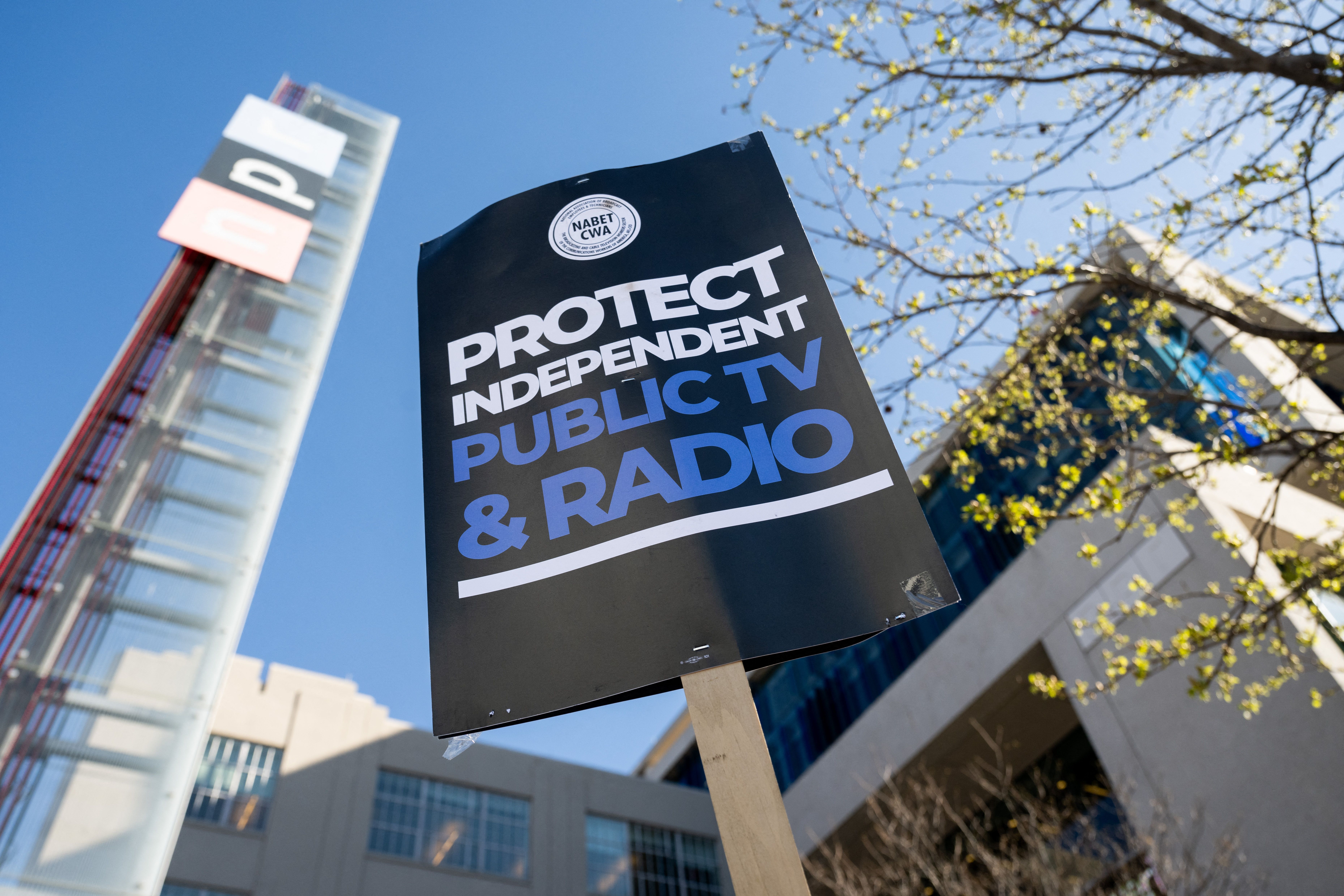
A sign to support American public media during a rally outside the NPR headquarters in March 2025 (Photo: Saul Loeb/AFP)
Meanwhile, American public media outlets: NPR, PBS as well as hundreds of local broadcasters, are directly affected by President Donald Trump’s policy cancelling the 1.1-billion-dollar subsidization to public media. Moreover, the Corporation for Public Broadcasting (CPB) has shut down following Trump’s order. This leads to a loss of more than 1,000 jobs and a harder access to news and emergency alerting among the locals, the natives and the disadvantaged in the United States.
Speaking of political pressure, it does not always involve with budget cuts. For example, in Switzerland, its highly popular and trusted public media SRG SSR might undergo a significant budget reduction. It depends on a referendum in March, supported by right-wing party SVP/UDC, aiming to lower the licence fee from 335 to 200 Swiss francs. In fact, SRG SSR has already begun cutting 900-1,000 positions by 2029.
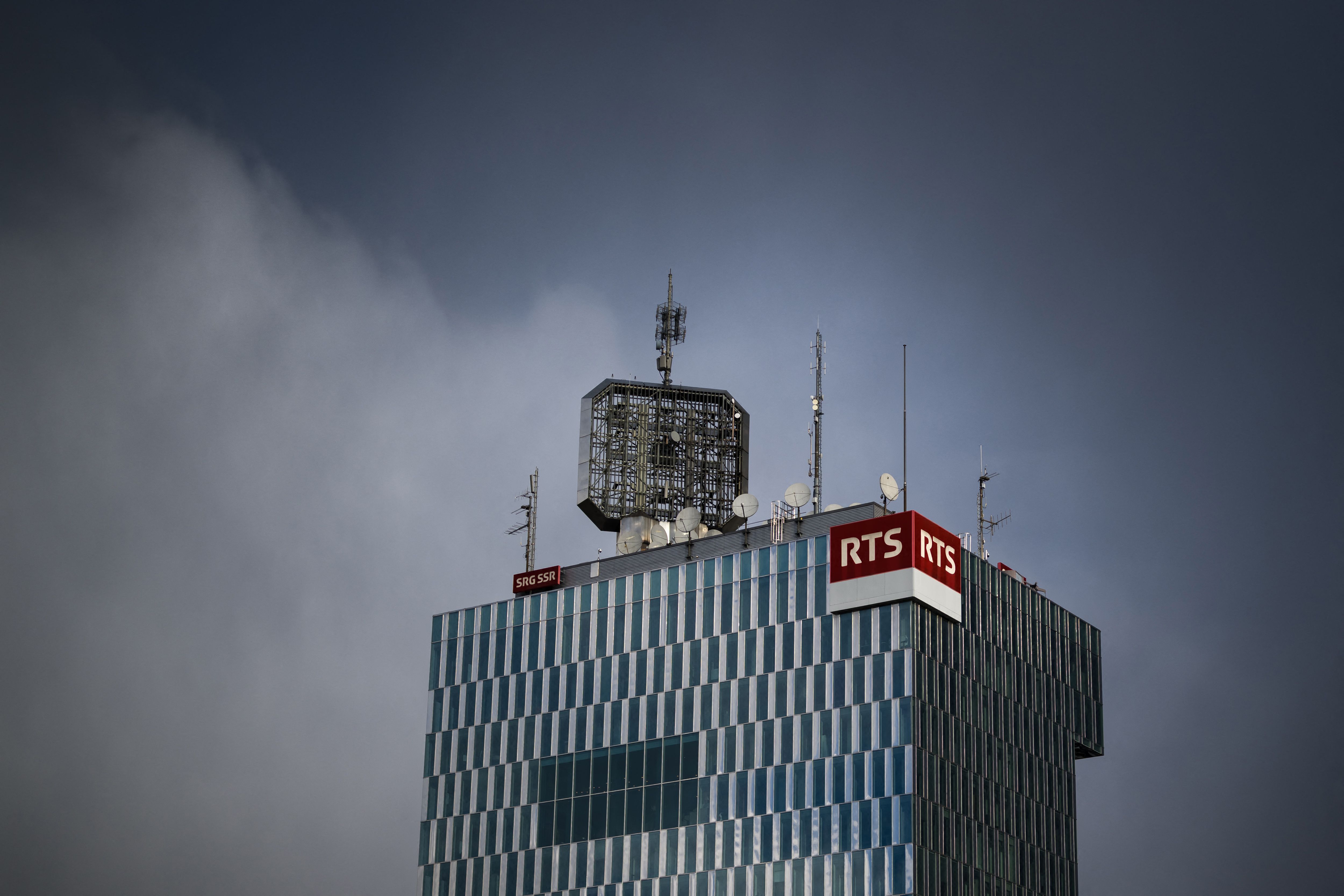
The tower of RTS, which is part of SRG SSR, in Geneva (Photo: Fabrice Coffrini/AFP)
Regulators can also exercise their power over public media, putting freedom of expression at risk. In 2020, Hong Kong’s Communications Authority issued a warning to RTHK’s satirical program ‘Headliner,’ which allegedly denigrated and insulted the police. The station thus suspended the program. Although the Hong Kong justice later ruled that ‘satirical expression’ and ‘accuracy’ are not related, the show has officially ceased its production.
While public media confronts its difficulties, societies are increasingly troubled with several information threats: AI slops, cyber scams and frauds, fake news and disinformation. Not only do these dangers threaten individuals, but they also erode truth and democratic values, as Sweta Madhuri Kannan, First Secretary, Press and Cultural Affairs, German Embassy Bangkok, mentioned during the Talk for Truth – Fact Check Thailand 2026 event in December 2025 at Thai PBS’s headquarters.
"When misinformation hides behind opinion language, framed as personal views, emotional narratives or value-based statements, [it] make[s] them so much harder to challenge… Disinformation does not attack democracy head-on: it erodes trust slowly, quietly and persistently.” Consequently, Kannan suggested that “neutral institutional spaces” would be a key to act as democratic safeguards. “Civil societies alone cannot counter disinformation. It requires independent media, fact-checking organizations, political actors and trusted institutions working in parallel.”
Given such information threats, public media is still indispensable in democratic societies. So, what can public media do concretely to truly stand with its people?
Public media and missions beyond news reporting
In spite of digital disruption and other obstacles, public media across the globe is adapting to continue serving civilians and public interests. Netherlands’ NOS is an example of how public media could successfully transform itself to the digital era. NOS could establish new generations of its audiences on social media. And it has built on its products. Online game ‘Jeugdjournaal,’ based on the eponymous youth news TV show, simulates the program’s studio, allowing players to play at being reporters and participate in news quizzes.
Swedish public media SVT still persists and gains high trust from the public. Unlike other European public media organizations, SVT’s online strategy is to mainly publish local and national online news on its own website while putting efforts in reducing dependence on social media platforms. In Australia, public broadcaster ABC indicated that it would support regional news reporting and journalists, which had formerly received funding from Meta and Google under the ‘News Media Bargaining Code.’ The Australian government has also advanced a massive grants program to sustain multicultural, First Nations and regional news publishers as well as the country’s independent journalism.
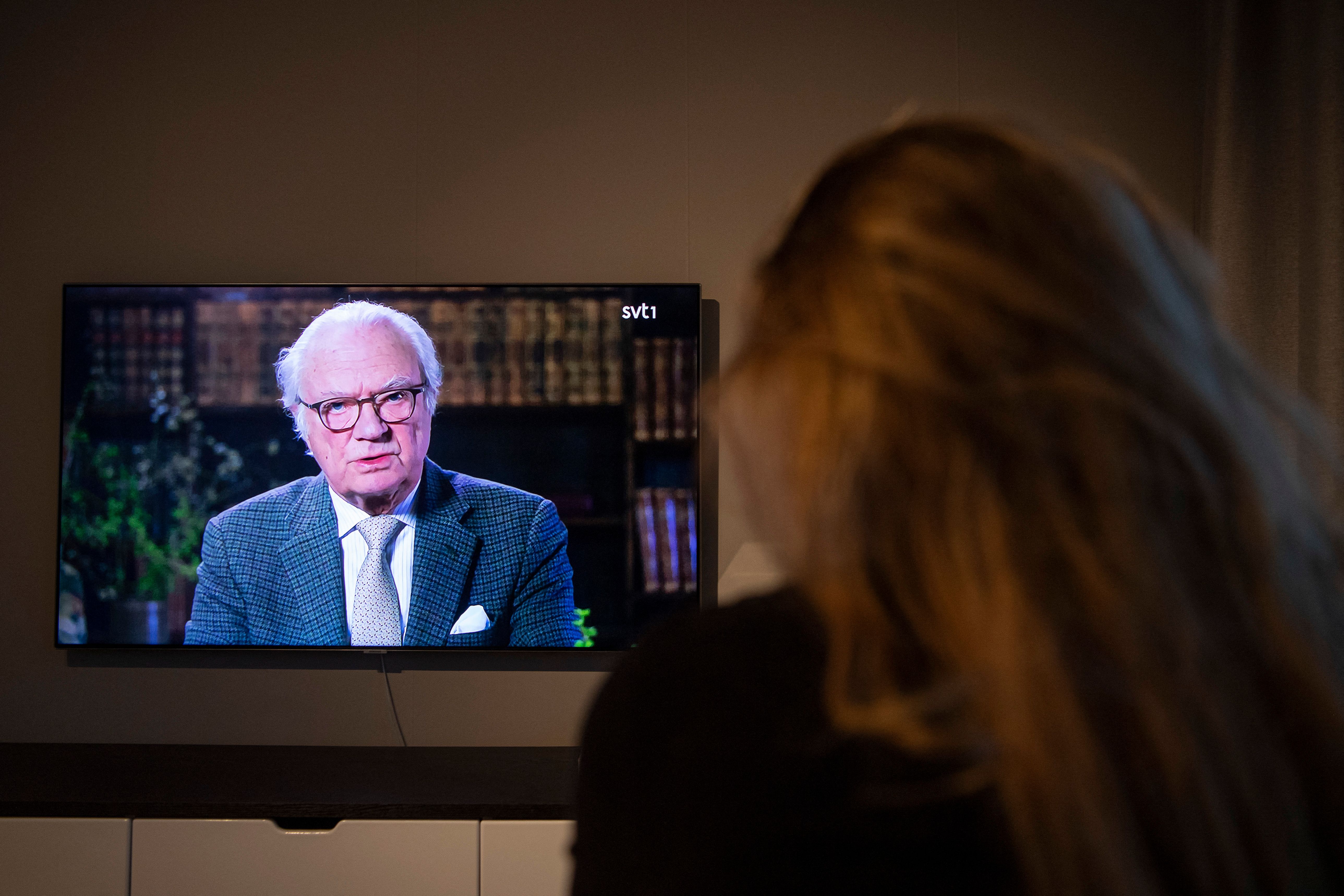
SVT, Sweden’s public broadcaster, transmitting King Carl XVI Gustaf’s during the pandemic in 2020 (Photo: Jonathan Nackstrand/AFP)
Likewise, Thai PBS – which is funded by the tax on alcohol and tobacco – never stops evolving to reach wide audience with quality content. A ‘cross-platform’ model has become one of the organization’s frameworks, as Dr. Komatra Chungsathiensap, Chairman of Thai PBS’s Board of Governors, addressed during the 2024 Thai PBS Annual Report to the Senate last October. “Some question how Thai PBS measures its worthiness… We measure by how the people recognize us and reference our quality news reporting. And we try to earn that more,” Dr. Komatra added.
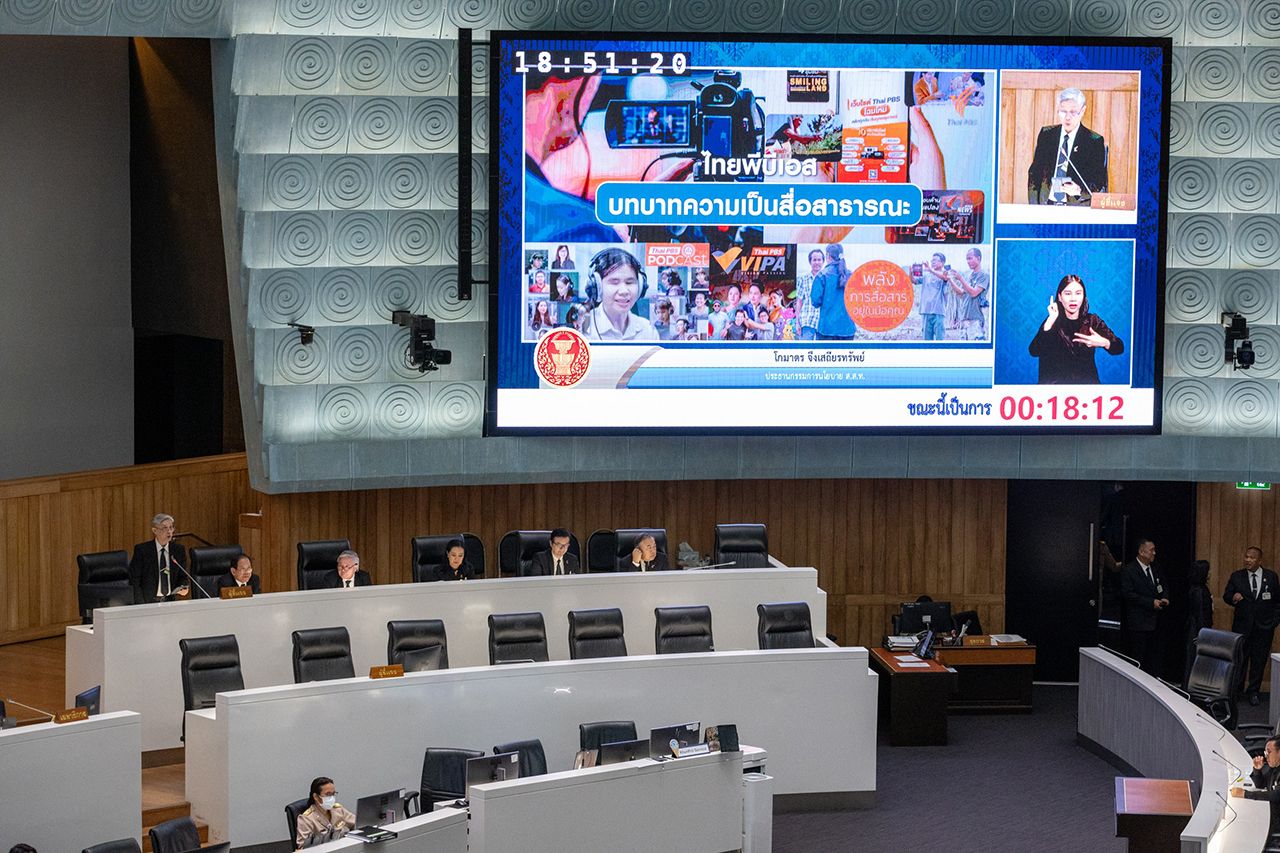
2024 Thai PBS Annual Report to the Senate in October 2025
In addition to live streaming on social media platforms and the website, Thai PBS’s cross-model platform is enhanced with innovations to meet the needs of all audience groups. For instance, the AI Vertical LIVE service facilitates TV watching on smartphones; the Big Sign Vertical LIVE streaming is accessible to the hearing-impaired; VIPA application curates content from Thai PBS and its partners and is aimed to be a ‘national OTT platform’ in the future.
Besides its news reporting duties, Thai PBS stands for the people and is there for them through crises. Hence, the public’s trust in Thai PBS at 72 percent based on a Reuters Institute survey in 2025. “Every time Thai society is in crisis – whether it’s natural disaster or political turmoil – facts and credibility are the first things to be erased. That is why Thai PBS vigorously continues to report news with accuracy, multidimensionality and impartiality. We are also one of the first media outlets people rely on in time of crisis,” said Vanchai Tantivitayapitak, Director-General of Thai PBS, during the 2024 Thai PBS Annual Report to the Senate.
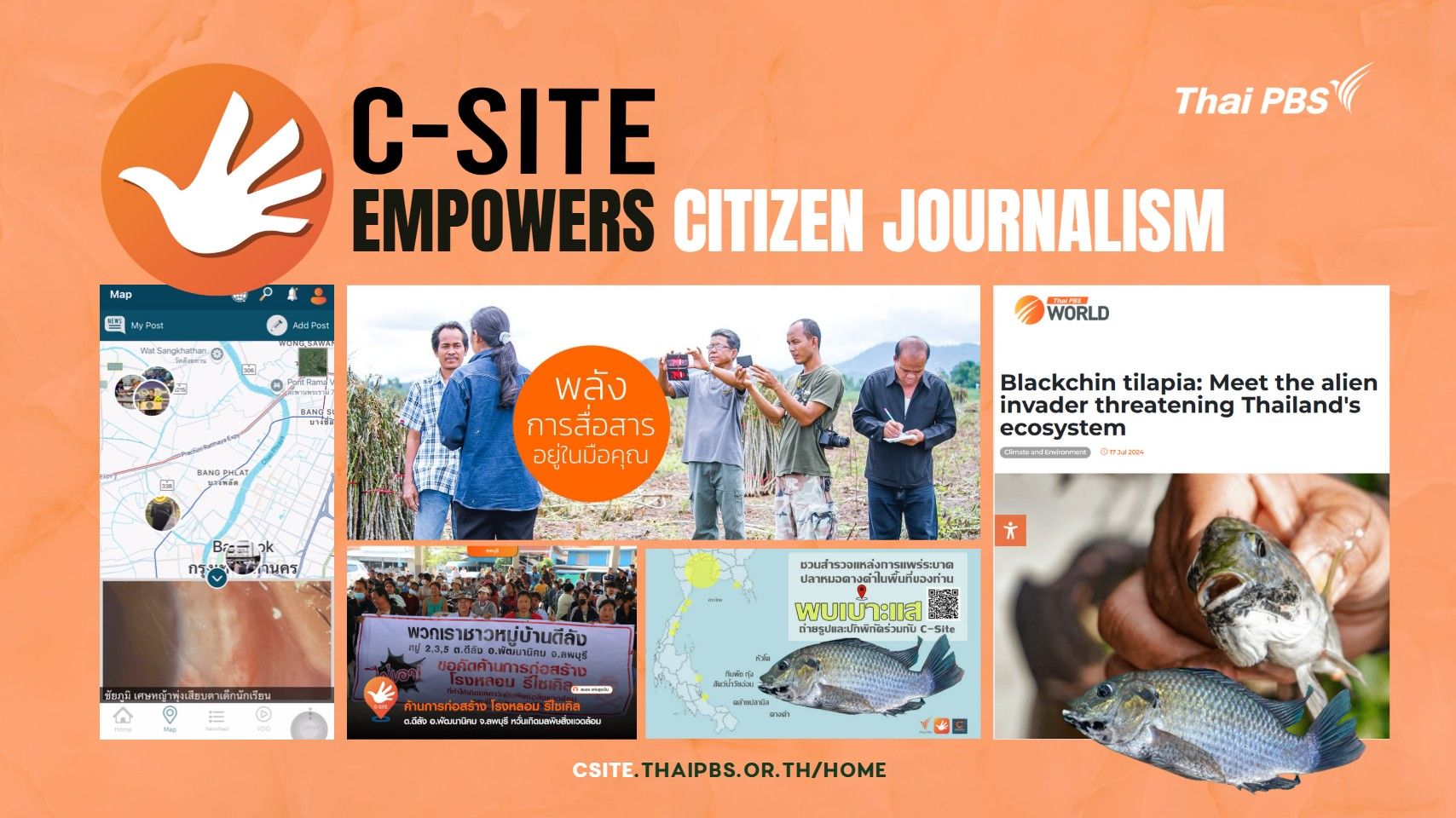
Thai PBS’s C-Site coverage on Thailand’s 2024 blackchin tilapia outbreak
Thai PBS also encourages critical thinking and active citizenship in various ways. For example, online platform Policy Watch helps people follow the progress of public policies, laws and regulations in Thailand. Local news reporting platform C-Site supports citizen journalists to produce engaging stories and expose problems in their communities. The Visual implements data journalism and data visualization to make complex data comprehensible to all, while Thai PBS Verify intends to combat misinformation and cultivate fact-checking skills among the public.

'The Scammer,' the Visual's data visualization project in 2025
In other words, global public media still matters to protect facts and diversity in any society. When citizens are equipped with media literacy and respect each other’s views, they can preserve democracy even before casting their ballots every four years, as Kanokporn Prasitphon, Digital Media Director of Thai PBS, mentioned during the Talk for Truth – Fact Check Thailand 2026 event.
“When something is incorrect, distorted, or when hate speech and disinformation are out there, that could affect our decisions to vote or even change election results. And that is not something ignorable. [Therefore,] we can be part of amplifying and encouraging media literacy against fake news in any situation.”
Explore Thailand from different angles with Thai PBS bilingual articles
- What's Next for Thai BL Series?
- Understanding Thai Beauty Pageants
- The (Promising) Future of Thai Perfumes
18th Anniversary of Thai PBS, the Media for All: world.thaipbs.or.th
อ้างอิง | References
- ABC supporting local media during major events, ABC
- After Trump’s Cuts, ‘Crippled’ NPR and PBS Stations Must Transform, The New York Times
- Congress rolls back $9 billion in public media funding and foreign aid, NPR
- Corporation for Public Broadcasting Addresses Operations Following Loss of Federal Funding, CPB
- Corporation for Public Broadcasting Votes to Shut Down, The New York Times
- Did you know that TV and radio connection is paid for in the Czech Republic?, Integrační Centrum Praha
- Digital News Report 2025, Reuters Institute for the Study of Journalism
- Ending Taxpayer Subsidization of Biased Media, The White House
- News Media Assistance Program, Australian Government – Department of Infrastructure, Transport, Regional Development, Communications, Sport and the Arts
- Public broadcasting: why? how?, UNESCO Digital Library
- Regulator loses bid for fresh appeal over RTHK show, RTHK
- Switzerland: Public broadcaster SBC to cut 900 jobs, European Federation of Journalists
- TV licence fee to rise by £5 to £174.50 in 2025, BBC
Words: Peerachai Pasutan