
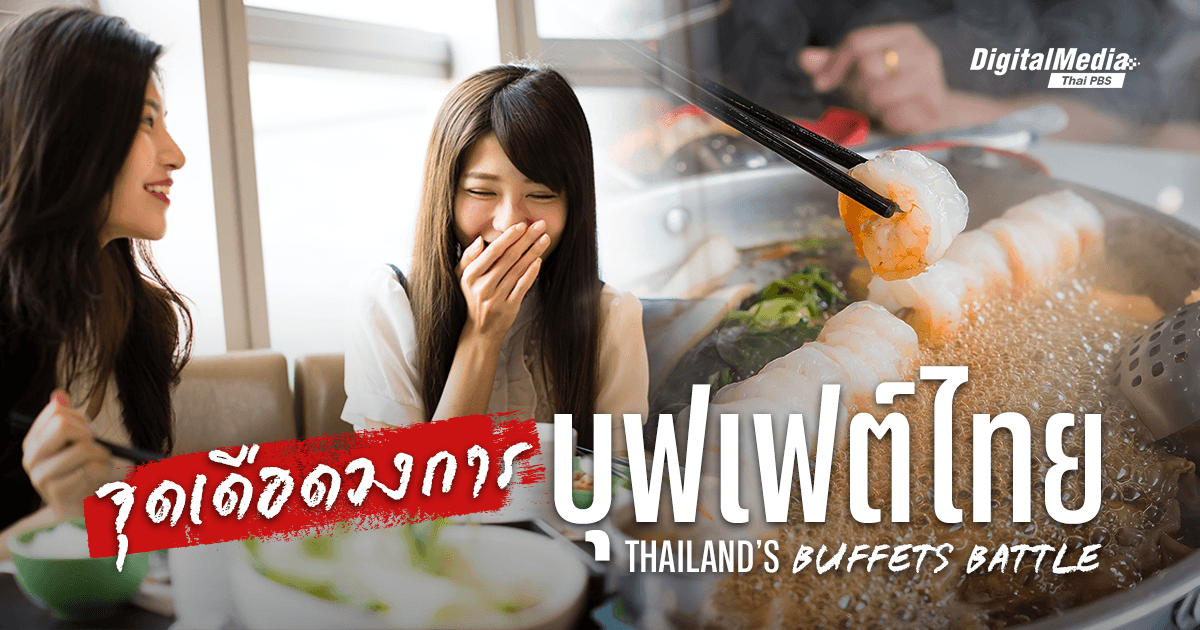
เรื่องกินเป็นเรื่องใหญ่เสมอสำหรับคนไทย และหลายคนก็เป็นแฟนคลับ ‘ร้านบุฟเฟต์’ ที่ไปกินกันได้ยันเช้าในบางร้าน
Thailand never lacks good eats: Thai food, Western, Eastern, African or Middle Eastern – you name it. What is even more intriguing is that there are a lot of ‘buffet’ restaurants, some of which are open until 5 in the morning. [Scroll down for the English version - เลื่อนลงเพื่ออ่านเวอร์ชันอังกฤษ]
ปี 2568 ที่ผ่านมา ผู้บริโภคต่างปรับลดค่าใช้จ่ายลงจากภาวะเศรษฐกิจชะลอตัว การรับประทานอาหารนอกบ้านในร้านดี ๆ สักร้านจึงกลายเป็นการรัดเข็มขัดอย่างหนึ่งของหลายครัวเรือน สิ่งนี้สะท้อนให้เห็นได้จากข้อมูลตลาดหลักทรัพย์และศูนย์วิจัยกสิกรไทย ซึ่งคาดการณ์ว่า ร้านอาหารที่ให้บริการเต็มรูปแบบ (full-service restaurant) จะเติบโต 1.1% ขณะที่ร้านอาหารที่ให้บริการจำกัด (limited-service restaurants) และร้านอาหารข้างทาง (street food) ประเมินการเติบโตอยู่ที่ 2.7% และ 4.7% ตามลำดับ
อย่างไรก็ดี ร้านอาหารเต็มรูปแบบสไตล์บุฟเฟต์ยังคงได้รับความนิยมอยู่ด้วยความคุ้มค่าและความหลากหลาย – แม้แต่ผู้เขียนเองก็ชอบเช่นกัน – โดยเฉพาะช่วง 5 ปีที่ผ่านมา เชนร้านบุฟเฟต์สุกี้ราคาย่อมเยาปิดตี 5 เจ้าหนึ่งได้เข้ามา “ชิงเค้ก” ในอุตสาหกรรมธุรกิจร้านอาหาร จนเครือร้านอาหารใหญ่และกลุ่มทุนต่าง ๆ ต้องลงสนามตาม เกิดการแข่งขัน “ร้อนระอุ” ในอุตสาหกรรมอาหารและเครื่องดื่มในไทย
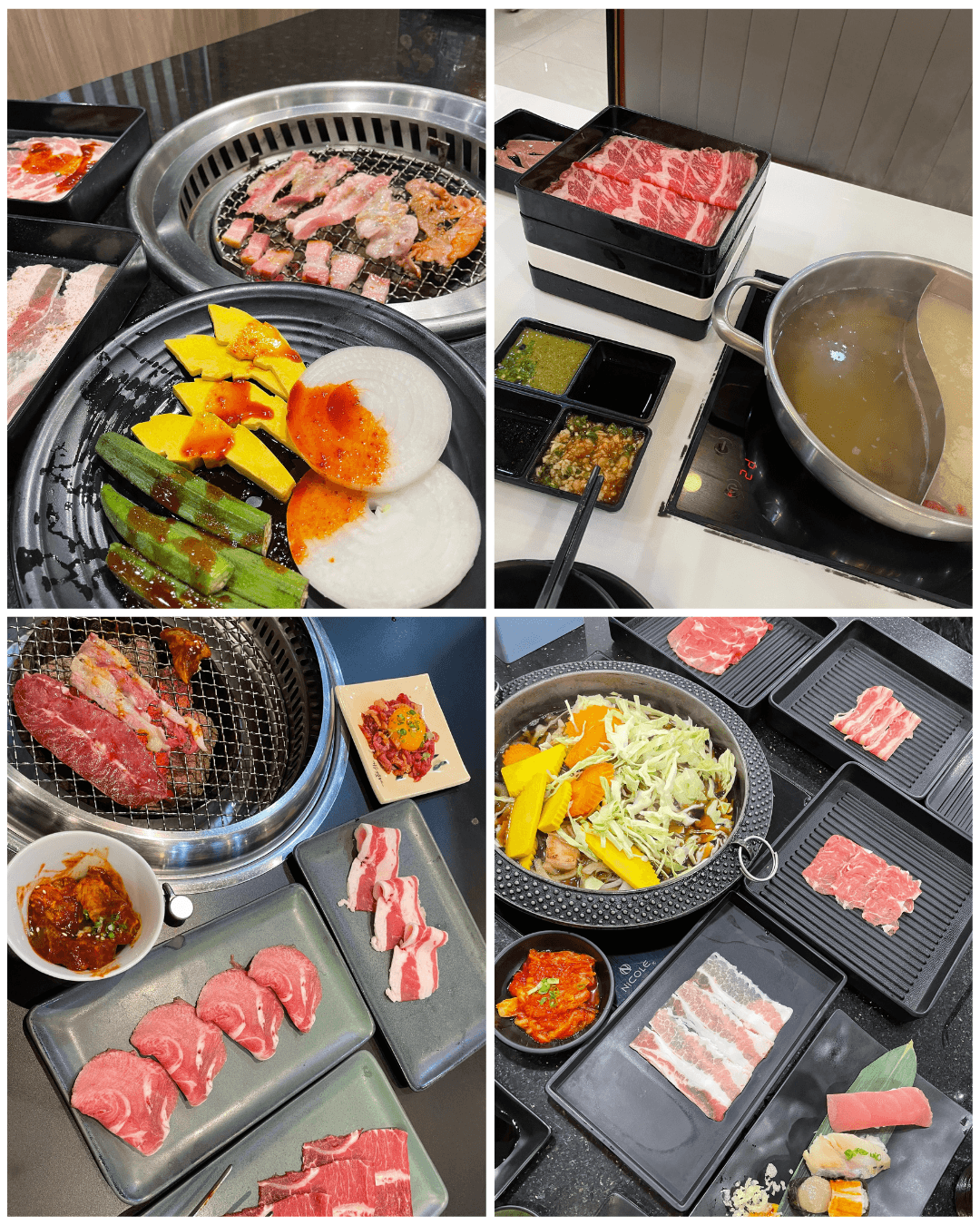
หลักฐานยืนยันความชอบกินบุฟเฟต์ของผู้เขียน (ภาพเพื่อประกอบบทความเท่านั้น)
ขณะที่ผู้บริโภคจะเอนจอยกับตัวเลือกร้านบุฟเฟต์ที่มีอยู่มากมาย ผู้ประกอบการต่างต้องหากลยุทธ์เพื่อดึงดูดถูกลูกค้าให้ได้มากที่สุด คำถามคือ อะไรคือ “สูตรเด็ด” ที่จะทำให้คนทำร้านบุฟเฟต์ยืนหยัดอยู่ได้ท่ามกลางสภาวะเศรษฐกิจที่ไม่ได้หอมหวานมากนัก ?
‘สงครามราคา’ จุด (ชี้เป็นชี้) ตายร้านบุฟเฟต์ไทย ?
หากมองในมุมผู้ประกอบธุรกิจร้านอาหาร การเปิดร้านบุฟเฟต์ตอบโจทย์ทั้งการบริหารจัดการ และเทรนด์ของนักกินในปัจจุบัน สำหรับข้อแรก ร้านบุฟเฟต์มีข้อดีอย่างหนึ่งต่อคนทำร้านอาหารที่ไม่อยากกังวลว่ารสชาติอาหารจะเปลี่ยนไปตามฝีมือของคนครัว อย่างที่ศศิศรา ตรีถาวร เจ้าของร้านบุฟเฟต์ Dream Yakiniku จ.จันทบุรี กล่าวกับไทยพีบีเอส
“คุณพ่อคุณแม่เราเคยเปิดร้านอาหารไทยมาก่อน แล้วเขาเล่าให้ฟังว่ามันวุ่นวายมาก ถ้าเชฟลาออก บางที [รสชาติอาหาร] จะเพี้ยนจนลูกค้าสัมผัสได้ หรือเมื่อประมาณ 2 เดือนที่แล้ว [จากวันที่สัมภาษณ์] พ่อเราปิดร้านสเต๊กไปเพราะคนงานกัมพูชากลับบ้านกันเยอะ แล้วเขาไม่อยากทำต่อ ถ้าบริหารต่อเขาต้องหากุ๊กใหม่” ศศิศรา เล่า “[แต่] ถ้าเป็นร้านบุฟเฟต์ปิ้งย่างชาบู ลูกค้าเป็นเชฟของตัวเอง ส่วนหน้าที่หลักของเราคือการเลือกวัตถุดิบที่มีคุณภาพและลูกค้าชอบค่ะ”
แม้ราคาและปริมาณ ยังเป็นเหตุผลหลักที่ผู้บริโภคหลายคนเลือกเข้าร้านบุฟเฟต์ แต่ในช่วงไม่กี่ปีที่ผ่านมา ร้านบุฟเฟต์ประเภทชาบูและปิ้งย่างหลายรายต้องยุติกิจการ เพราะสู้สงครามราคากับเชนร้านบุฟเฟต์สุกี้ชื่อดังบางเจ้าไม่ได้ ประกอบกับการจัดการต้นทุนและวัตถุดิบที่ไม่มีประสิทธิภาพ ขณะเดียวกัน ร้านบุฟเฟต์ระดับพรีเมียมราคาหลักพันก็ได้รับความสนใจมากขึ้นจากผู้บริโภคเฉพาะกลุ่ม สิ่งนี้พิสูจน์ได้เช่นกันว่า ราคาอาจไม่ใช่ปัจจัยดึงดูดลูกค้าปัจจัยเดียวเสมอไป
“ถ้าเป็น [บุฟเฟต์] ระดับบน คนไปรับประทานส่วนใหญ่มีกำลังซื้อระดับหนึ่ง เขาจะไม่กินเอาปริมาณเข้าว่า เพราะเขาจะรู้สึกว่า ‘มันทรมานชีวิต’ [แต่] เขามองหาวัตถุดิบที่ดีที่ปกติเวลาไปร้านอาหารอะลาคาร์ตจะเสียเงินเยอะ สมมติ เขากินซูชิวากิวคำละ 300 บาทในร้านอาหารทั่วไป แต่พอมากินร้านบุฟเฟต์ เขาอาจจะสั่ง 3-4 ชิ้นให้พอหายอยาก แล้วไปกินอย่างอื่นต่อครับ” ธนพงศ์ วงศ์ชินศรี เจ้าของเพจ Torpenguin และเจ้าของร้านบุฟเฟต์แห่งหนึ่ง ให้ความเห็นไว้ในรายการเศรษฐกิจติดบ้าน เมื่อเดือนมีนาคม พ.ศ. 2567
ทั้งนี้ ยังคงมีกลยุทธ์อีกหลายอย่างที่เสี่ยงน้อยกว่าการกดราคาบุฟเฟต์ของตัวเอง ธนพงศ์ยกตัวอย่างแนวคิดโปรโมชัน ‘มา 4 จ่าย 3’ ที่อาจฟังดูไม่คุ้มสำหรับคนทำร้านบุฟเฟต์ “ถ้าเรามองในมุมการจัดการจริง ๆ แล้ว จะเห็นว่าโต๊ะโต๊ะหนึ่งที่เรานั่งกันอยู่ โต๊ะหนึ่งนั่งได้สี่คน แต่ทุกครั้งมานั่งสี่คนไหมครับ ? วันนี้ผมมากับคุณ นั่งกัน 2 คน นั่นหมายถึงร้านอาหารสูญเสียโอกาสในการขายรอบนั้นที่โต๊ะนั้นไป 2 ที่นั่ง [เพราะฉะนั้น] ต่อให้กำไร [จากการจัดโปรโมชันแบบนี้] จะน้อย แต่ดีกว่าปล่อยให้ที่ว่างครับ”
การหาเมนูพิเศษหรือของขวัญช่วงเทศกาลก็เป็นอีกกลยุทธ์สร้างความประทับใจให้ลูกค้าได้เช่นกัน ถึงร้านบุฟเฟต์ของศศิศราจะไม่ได้รับผลกระทบจากสงครามราคามากนัก เนื่องจากฐานลูกค้าประจำแข็งแรงและมีคู่แข่งยากินิกุไม่มากนัก แต่ก็มีการสมนาคุณลูกค้าตามโอกาส “อย่างช่วงหนึ่ง เราได้กุ้งทอดมาในราคาที่ดีจากซัพพลายเออร์ แล้วก็เป็นกุ้งที่อร่อย เราก็เลยมาจัดโปรฯ ให้ลูกค้ารีวิว แล้วจะได้รับเมนูพิเศษฟรี นอกจากนั้นจะมีเมนูเฉพาะหน้าเทศกาล เช่น วันแม่ วาเลนไทน์ หรือคริสต์มาส ให้คนลูกค้าที่มากินในวันนั้นรู้สึกว่า ได้รับของขวัญเล็ก ๆ น้อย ๆ จากเราค่ะ”
ร้านบุฟเฟต์ไทยกับการบริหาร ‘วัตถุดิบ’ และ ‘ความจริงใจ’
ขณะที่คนทำร้านบุฟเฟต์อาจไม่ต้องกังวลกับการคุมรสชาติอาหารที่ขึ้นอยู่กับคนครัว ก็ต้องบริหารวัตถุดิบซึ่งมีต้นทุนราว 40-60% สูงกว่าร้านอาหารทั่วไป 10-20% “ธุรกิจบุฟเฟต์คือธุรกิจการจัดการครับ เราบริหารจัดหารซับพลายเชนอย่างไร มากเกินไปก็เกิดขยะ หากน้อยเกินไป ลูกค้าก็บอกว่า ‘สั่งแล้วของหมด ร้านนี้กั๊กของ’” ธนพงศ์ อธิบาย “ทีนี้ ต้องมีการคำนวณจาก POS หรือเครื่องคิดเงินว่า ลูกค้า 1 คนโดยปกติ กินหมู เนื้อ กับผักกี่กรัม เราจะได้รู้ว่า ถ้าวันหนึ่ง ลูกค้าเข้ามา 200 คน จะต้องใช้หมูเนื้อกี่กิโลกรัม แล้วบวกสต็อกเสริมไปเท่าไหร่”
ธนพงศ์ยังพูดถึงการทำรอบต่อโต๊ะให้ “เร็วที่สุด” ตั้งแต่วินาทีที่ลูกค้าสั่งอาหารจนถึงเก็บเงิน เพื่อที่ว่าลูกค้าใช้บริการเสร็จก่อนเวลาที่กำหนด และเชิญลูกค้ากลุ่มใหม่เข้าร้านได้มากขึ้น นอกจากนี้ การใช้ระบบ ‘เสิร์ฟอาหาร’ แทนการ ‘ให้ลูกค้าไปตักเอง’ ก็จะช่วยลดค่าวัตถุดิบ และรักษาความสดของอาหารไว้ได้ “แต่ต้นทุนพนักงานก็จะสูงขึ้น โต๊ะหนึ่งอาจเสิร์ฟขั้นต่ำ 10 รอบ นั่นหมายถึงเก็บจาน 10 รอบ ล้านจานเพิ่มมากขึ้นอีก 4 เท่านะครับ ทำให้บุฟเฟต์เป็นธุรกิจที่จัดการค่อนข้างยาก”
ร้านบุฟเฟต์ของผู้ประกอบการท้องถิ่น/รายเล็ก อาจประสบความท้าทายในการบริหารงานมากกว่า แต่สิ่งที่เป็นจุดแข็งคือความใกล้ชิดกับลูกค้า อย่างที่ศศิศรายกตัวอย่างธุรกิจของตัวเอง “จันทบุรีเป็นจังหวัดเล็กค่ะ เราไม่ได้มีกลุ่มลูกค้าใหม่ให้ดึงดูดได้เรื่อย ๆ ก็เลยตั้งใจว่า ทำอย่างไรก็ได้ให้เขาประทับใจของเรามากที่สุดแล้วให้เขารู้สึกว่า ‘ฉันอยากกลับมากินอีก’ เราคิดว่าแบบนี้มันยั่งยืนกว่า แล้วเราปรับตัวตามตลาดว่าลูกค้าชอบอะไร พยายามรักษามาตรฐานให้ได้มากที่สุด และเรากับแม่อยู่เสิร์ฟเอง คุยกับลูกค้าเอง ซึ่งตรงนี้มันเป็นเสน่ห์ของธุรกิจเล็ก ๆ ค่ะ [จึงคิดว่า] ทุกวันนี้ที่เราอยู่ได้ ก็เพราะลูกค้าประจำที่มีเยอะมาก”
เป็นเรื่องปกติที่ร้านบุฟเฟต์หรือธุรกิจใด ๆ ใช้โซเชียลมีเดียประชาสัมพันธ์ คำถามคือ จะใช้อย่างไรให้เป็นผลดีต่อธุรกิจนั้นมากที่สุด ? “เคยทำคอนเทนต์ลง TikTok อยู่ช่วงหนึ่งแล้วได้ผลตอบรับค่อนข้างดีนะคะ ลงสตอรีว่า ทำไมถึงมาเปิดร้านปิ้งย่าง เจอปัญหาอะไรบ้าง ฯลฯ แล้วก็เป็นไวรัล นี่ก็ช่วยทำให้คนรู้จักร้านเราในส่วนหนึ่งด้วยค่ะ” ศศิศรา กล่าว “เราไม่อยากจ้างอินฟลูเอนเซอร์มารีวิวหรือยิงโฆษณา เรารู้สึกว่า วิธีที่เวิร์กที่สุดในการดึงดูดลูกค้า คือเพื่อนมาบอก และทุกวันนี้ ผู้บริโภคเขาแยกออกค่ะว่า อะไรที่เป็นออร์เกนิก อะไรไม่ใช่”

การทำให้ลูกค้ามีช่วงเวลาที่ดี คือหัวใจของร้านบุฟเฟต์และร้านอาหารต่าง ๆ
หากมองในแง่กฎหมายด้วย ร้านบุฟเฟต์ต่าง ๆ ล้วนต้องให้บริการลูกค้าอย่างมีความรับผิดชอบ อย่างที่ภัทรกร ทีปบุญรัตน์ เจ้าหน้าที่จากสภาองค์กรของผู้บริโภค ได้กล่าวไว้ในรายการรู้เท่ารู้ทัน เมื่อเดือนตุลาคม 2565 “เมื่อท่านกำหนดราคาแล้ว หรือโฆษณาว่าจะเสิร์ฟอาหารชนิดใด คุณภาพแบบใด ท่านก็ต้องเสิร์ฟตามที่ท่านโฆษณาไว้ครับ” ส่วนด้านผู้บริโภคเองก็ต้องเคารพในกฎที่ร้านตั้งไว้ หากกฎนั้น “ไม่เข้าข่ายสัญญาไม่เป็นธรรม” เช่น เวลาที่กำหนดในการรับประทาน หรือค่าปรับหากกินอาหารไม่หมดตามที่สั่ง
ในปี 2569 นี้ ความนิยมของร้านบุฟเฟต์ในไทยคงไม่ลดน้อยถอยลงไปจากปีก่อน ๆ หน้า แต่ไม่ว่ากระแสจะเปลี่ยนไปอย่างไรก็ตาม สูตรเด็ดที่ผู้ประกอบการทุกรายต้องมีในตำรานั้นคือ การปรับตัวตามสถานการณ์ และความซื่อตรงที่มีต่อลูกค้าทุกคนที่เข้ามาใช้บริการนั่นเอง
เจาะลึกทุกประเด็น พร้อมฝึกภาษาอังกฤษ กับบทความ 2 ภาษา จากไทยพีบีเอส
- อนาคตของ ‘สื่อสาธารณะ’ จะเป็นอย่างไรต่อไป ? | The Future of Global Public Media
- ‘น้ำหอมไทย’ กับอนาคตอันแสนหอมหวาน ? | The (Promising) Future of Thai Perfumes
- เมื่อปัญหา ‘สแกมเมอร์’ กัดกินอาเซียน | When Cyber Scam Operations Ravage ASEAN
อ้างอิง
- รายงานการวิเคราะห์อุตสาหกรรมตามประเภทธุรกิจ – แนวโน้มธุรกิจร้านอาหารและเครื่องดื่ม, ตลาดหลักทรัพย์แห่งประเทศไทย และ KResearch, 23 พฤษภาคม 2568
ติดตามบทความและเรื่องราวทันทุกกระแสที่ Thai PBS NOW: www.thaipbs.or.th/now
Last year, consumers all tightened their belts, given an economic slowdown. Some households might think twice before deciding to eat out. A joint report from SET and KResearch reflected the situation: the market value of full-service restaurants was expected to grow only 1.1%, while limited-service restaurants and street food would increase 2.7% and 4.7% in value, respectively.
Despite a decline in the big picture, full-service buffet restaurants remained popular among the customers – the writer included – thanks to their affordability and variety of food choices. Especially over the last five years, a chain of budget all-you-can-eat hot pot restaurants has “stolen market share” and has expanded all over the country. Major chains and big names started to launch new budget buffet brands afterwards, resulting in a “spicy” competition in Thailand’s food and drinks industry.
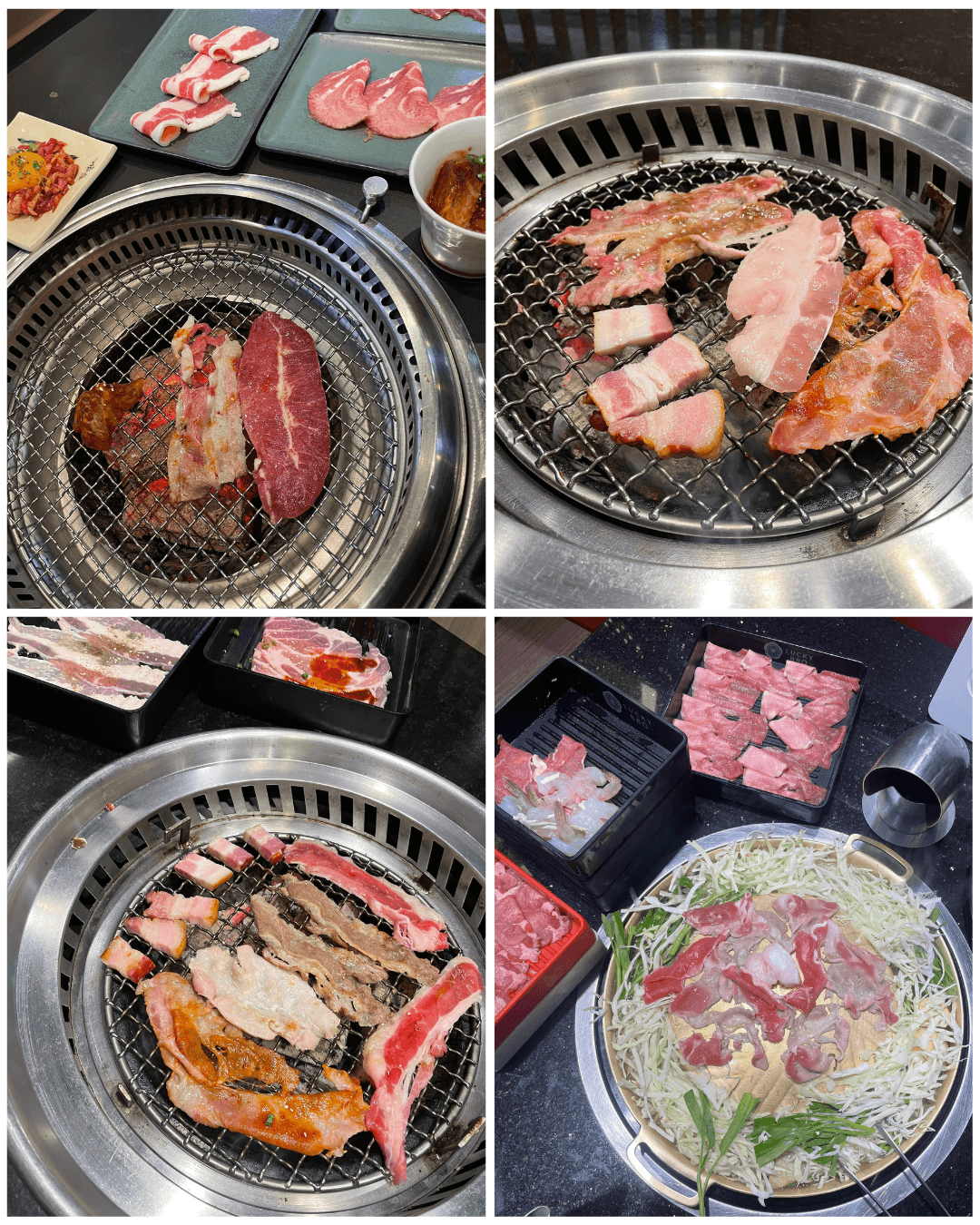
Proof of the writer's obsession with buffets (photo added for editorial use only)
While the consumers benefit the most, entrepreneurs must come up with the best strategies to attract customers. The question emerges: what is the “recipe” to make a buffet restaurant stand out amid the current “bitter” economic situation?
Is ‘price war’ benefiting (or hurting) buffet restaurants?
From the entrepreneurs’ perspective, an all-you-can-eat restaurant is easier to manage and appears to attract more consumers at present. One big advantage of the buffet format to restaurateurs lies in “flavor consistency,” as Sasisara Trithavorn, owner of the Dream Yakiniku buffet in Chanthaburi province, told Thai PBS.
“My parents used to open a Thai restaurant, and they said that it was quite chaotic. When a chef quit, it affected the taste of our dishes, and our customers could tell the difference. And two months ago [at the time of the interview,] my father had to close down his steakhouse because the Cambodian workers had returned to their country. He didn’t want to run it anymore. New cooks and staff team are not easy to find,” Sasisara recounted. “For the buffet restaurants, on the other hand, customers are chefs on their own. We, as restaurateurs, have the main duty to select the best and customers’ most favorite products and serve them on the tables.”
Affordable prices and quantity remain the main factors behind customers going to all-you-can-eat places. Yet, for the past few years, some hotpot and BBQ buffets have shut their doors due to their losses and the heated ‘price war’ in the sector. Mismanagement on the budget and supply also contributes to unsuccessful operations. On the other hand, many people are increasingly willing to pay a thousand baht for “premium” buffet restaurants: this can be concluded that prices are no longer the only factor to persuade consumers.
“Most of premium [all-you-can-eat restaurants] are most-visited by people with purchasing power. These people don’t intend to eat as much as they can because it feels ‘suffocating’ to them. Instead, they look for quality food and ingredients that are too expensive to order à la carte,” stated restaurant business influencer Thanapong Vongchinsri in a Thai PBS program in March 2024. “For example, a piece of wagyu sushi costs 300 baht in traditional restaurants. However, we can have three to four pieces of the same wagyu sushi in a premium buffet restaurant, where they can taste other dishes as well.”
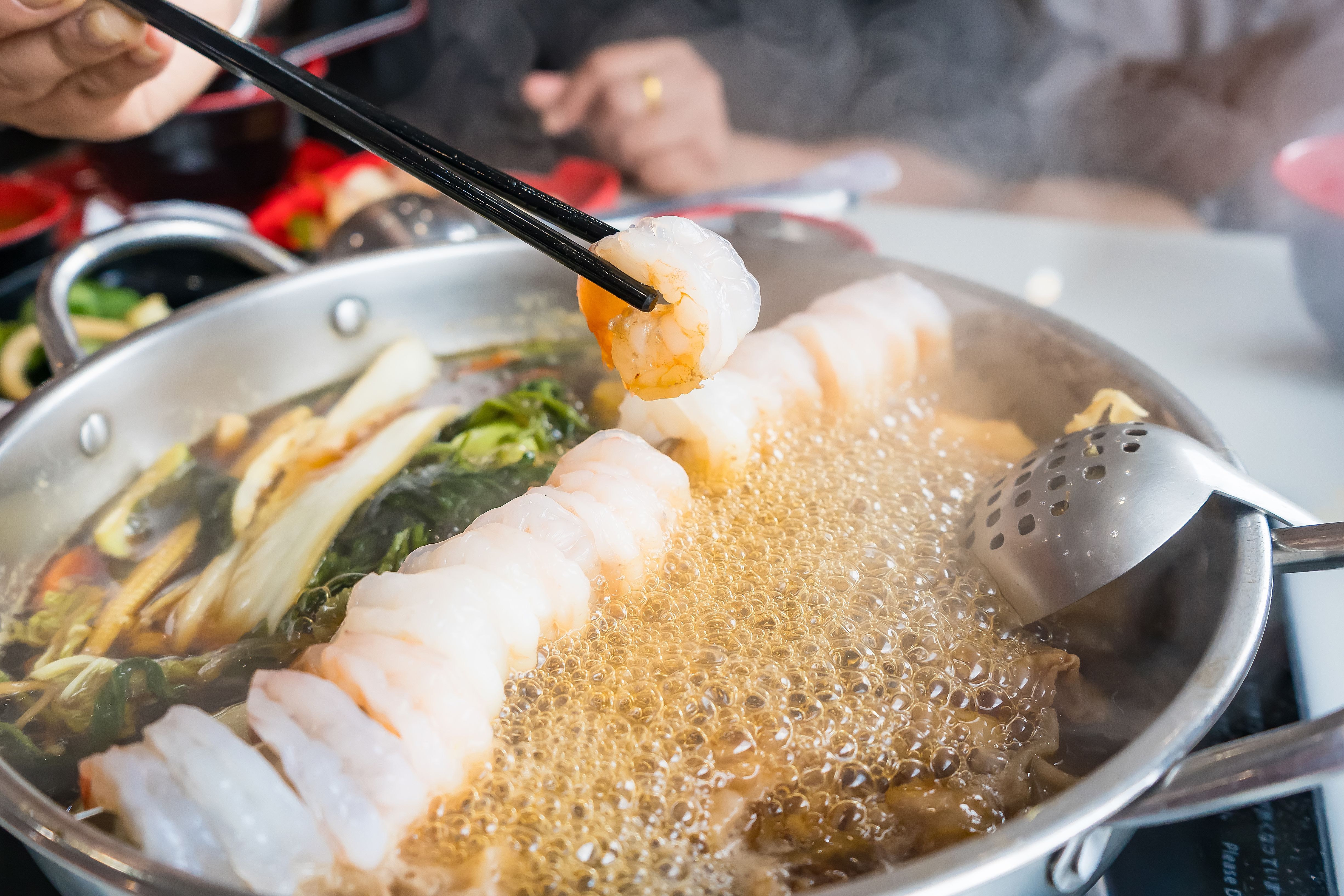
'Thai sukiyaki' buffet restaurants have been popular over the last few years.
As he continued, Thanapong mentioned the “Come 4, Pay 3” promotional tactic, which might be less “risky” than cutting down the price. “Actually, in terms of management, a table in the buffet restaurant can seat four people. But customers do not always come in four, right? If there’s just you and me, it’s only two, which means that the restaurant loses a chance to make more money by half during that turn. [Therefore,] the ‘Come 4, Pay 3’ seems less profitable, but it is definitely better than letting two seats vacate.”
Serving seasonal dishes or giving complimentary items can also be implemented as tactics to impress customers. Sasisara told Thai PBS that her yakiniku buffet, little affected by the ongoing price war, had many frequenters and a few competitors. Still, she gave gifts to her customers on special occasions to thank them. “There was a time when we got shrimps with a good price from our supplier. And it tasted great. So, we held a campaign where customers reviewed and rated us on social media, then got free fried ebi… We also have special dishes on holidays, such as Mother’s Day, Valentine’s or Christmas.”
How to manage ingredients and ‘honesty’ in buffet restaurants?
Flavor consistency may not concern buffet restaurateurs, but higher costs do. On average, 40-- 60% of costs in all-you-can-eat restaurants go to the ingredients, which is 10-20% higher than the traditional ones. “Management is the core of buffet businesses. How do we control the supply chain? Too much food causes waste. But when some dishes run out, customers complain,” Thanapong explained. “That’s why we must calculate the stock from the POS to see how much a customer normally consumes. With this approach, we can project and welcome customers with enough stock.”
Thanapong also spoke about how to make most table-turns from the first second of service to the last. The faster the service goes, the more buffet restaurateurs can welcome new customers per day. Entrepreneurs can also utilize the ‘table-service’ approach instead of the ‘self-service’ one, as this helps reduce ingredient costs and control the freshness of the food. “But that means more staffing needed. In one turn, service may be one 10 times; that means 10 times of collecting dishes, and 4 times of doing dishes than the average. This is why buffet businesses are not easy to operate.”
While facing more challenges, smaller buffet chains and local all-you-can-eat restaurants have “a sense of familiarity” as an advantage. As Sasisara shared, “Chanthaburi is a small province. We don’t have so many new faces in town to attract. So, we try to make every customer impressed and become our ‘regular.’ This seems like a more sustainable approach to us. Then, we adapt to the current market situation. We try to maintain our quality and standards. My mother and I run the restaurant and serve by ourselves, which is a charm. This is why we’re still standing and have so many regulars.”
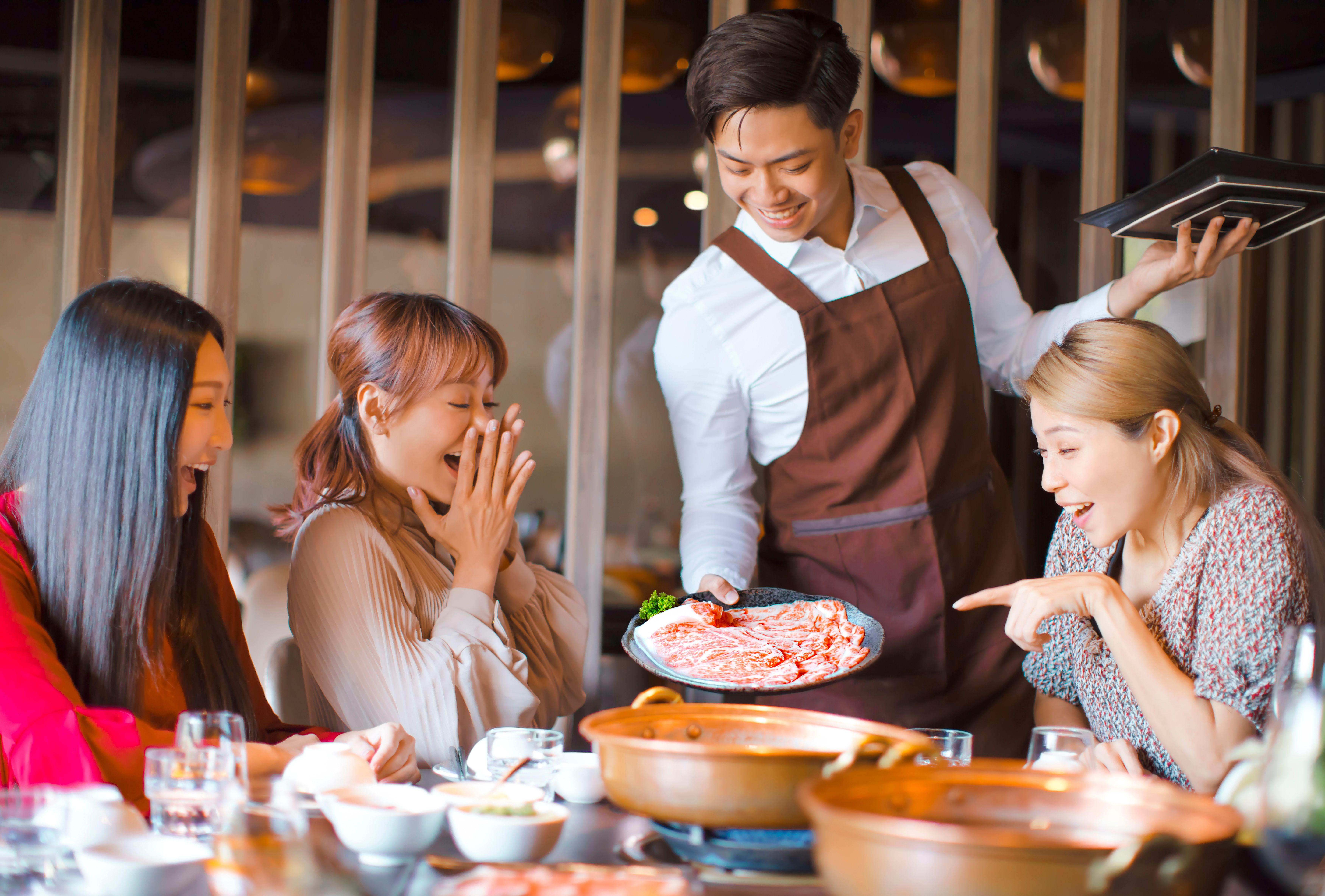
Good service is also a key for success.
In the present day, it is normal to promote buffets or any other businesses on social media. What to ask is how to gain the most positive engagements? “I used to post some videos on TikTok and got satisfying results. I talked about why I had decided to open an all-you-can-eat yakiniku and what difficulties I’d encountered. The clips became viral and helped our restaurant be more visible online,” Sasisara added. “We don’t want to hire influencers or boost our page with ads. In my opinion, the most effective way to attract customers is the word of mouth. Modern consumers really differentiate what is organic, and what isn’t.”
Legally speaking, all buffets must be fair and responsible to the customers, as Pattarakorn Tiepboonyarath, officer of Thailand Consumers Council, cautioned in another Thai PBS program in October 2022. “When entrepreneurs fix the price and advertise the menu, they must keep the promises to the customers.” As for consumers, they must comply with the restaurants’ rules if they spend excessive time in service or cannot finish their orders.
This year, all-you-can-eat restaurants are likely to maintain their popularity among Thais. No matter what changes, adaptability and honesty are always the key ingredients for entrepreneurs in the food and drinks industry.
Discover Thailand from different angles with Thai PBS
Words: Peerachai Pasutan