Beware of being tricked into donating out of sympathy from AI posts
Fraudsters are increasingly using artificial intelligence-generated images of sick people and animals to solicit online donations, making it harder for the public to distinguish genuine appeals from scams. Experts say donors should verify both the images and the stories behind them before transferring money, as sympathy can sometimes become a tool for deception.
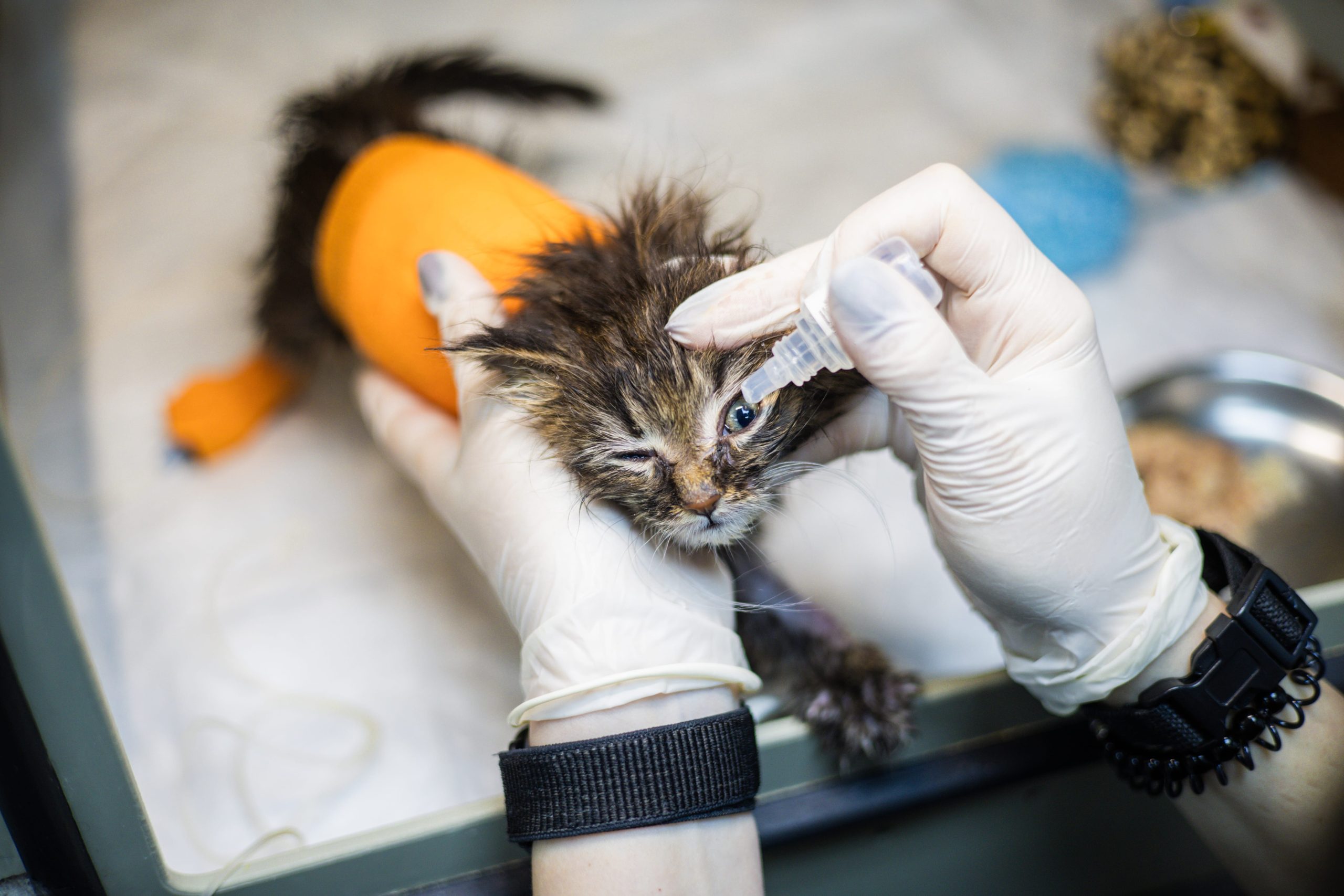
Images of sick cats, injured animals, hospital patients or death announcements often trigger an emotional response, prompting people to offer support or donate. However, advances in artificial intelligence now allow realistic-looking images of people and animals to be created or altered with ease. This means that photographs accompanying donation appeals may not always reflect real events. If a fundraising post includes images, how can donors determine whether they are authentic or generated by artificial intelligence?
Experts note that two separate questions should always be considered. The first is whether an image is genuine or created using artificial intelligence. The second is whether the story attached to the image is true. A real photograph may still be misleading if it is old or taken from an unrelated event. Likewise, an artificial intelligence-generated image does not automatically prove that the person posting it intends to deceive.
For that reason, donors are advised to examine the source of the image, the consistency of the story and any evidence showing how donated money will be used before making a contribution.
Four tools that can help identify AI-generated images
1. Google Lens
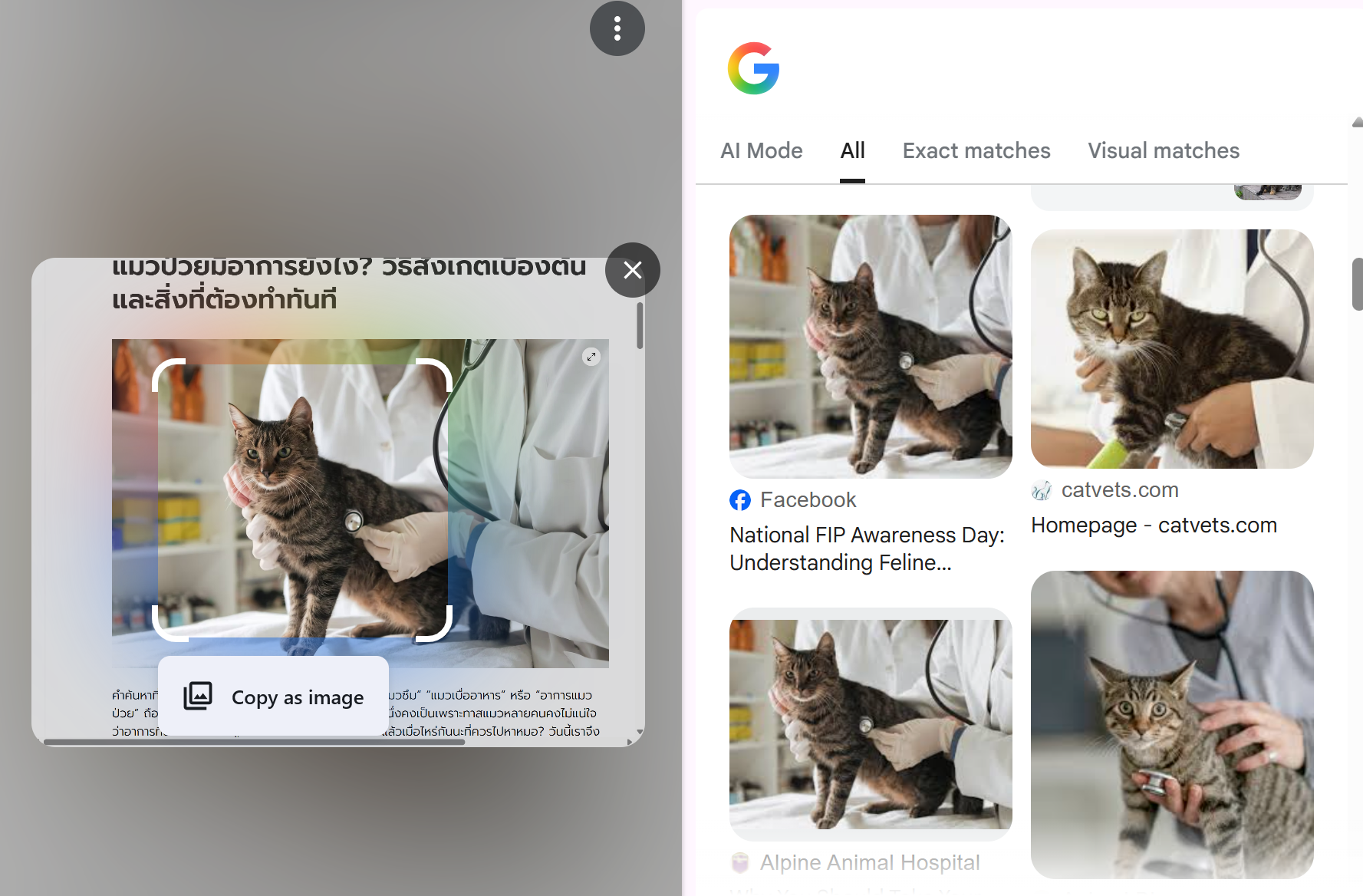
Google Lens can help determine whether a photograph of a sick person, animal or donation appeal has appeared elsewhere online. In some cases, users may discover the original source of an image or find that the same photograph has been used to support different stories.
To check an image, save it from a post or take a screenshot, open Google Lens and upload the image. Review the search results to see where similar or identical images have appeared, then compare publication dates, details and context. If the same image is linked to conflicting stories, further verification may be required.
2. Hive Moderation
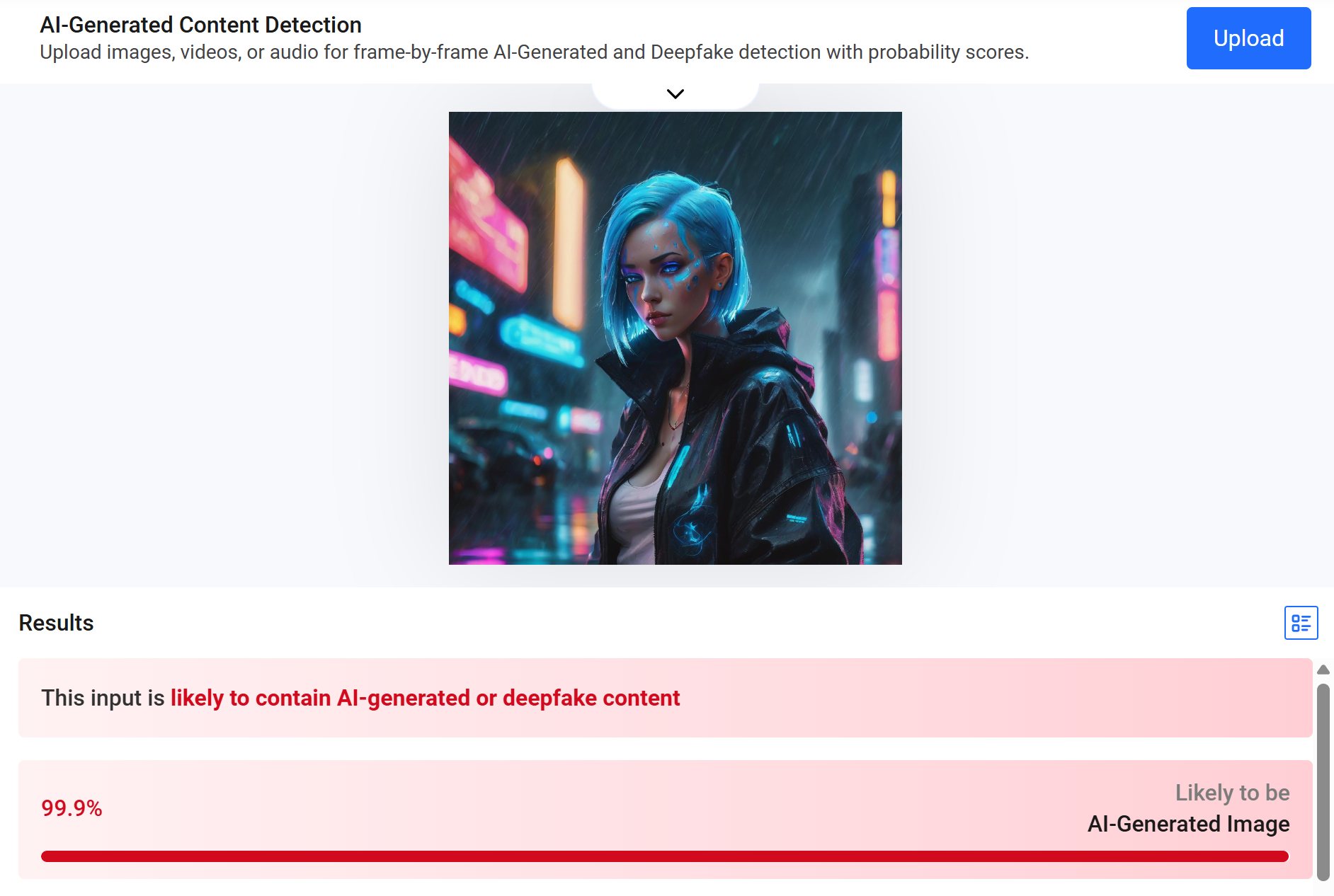
Hive Moderation offers a tool designed to analyse whether an image may have been generated by artificial intelligence.
Users can upload a suspicious image to the platform and review the system’s assessment. The results should be treated as one piece of evidence and compared with findings from other tools and original sources.
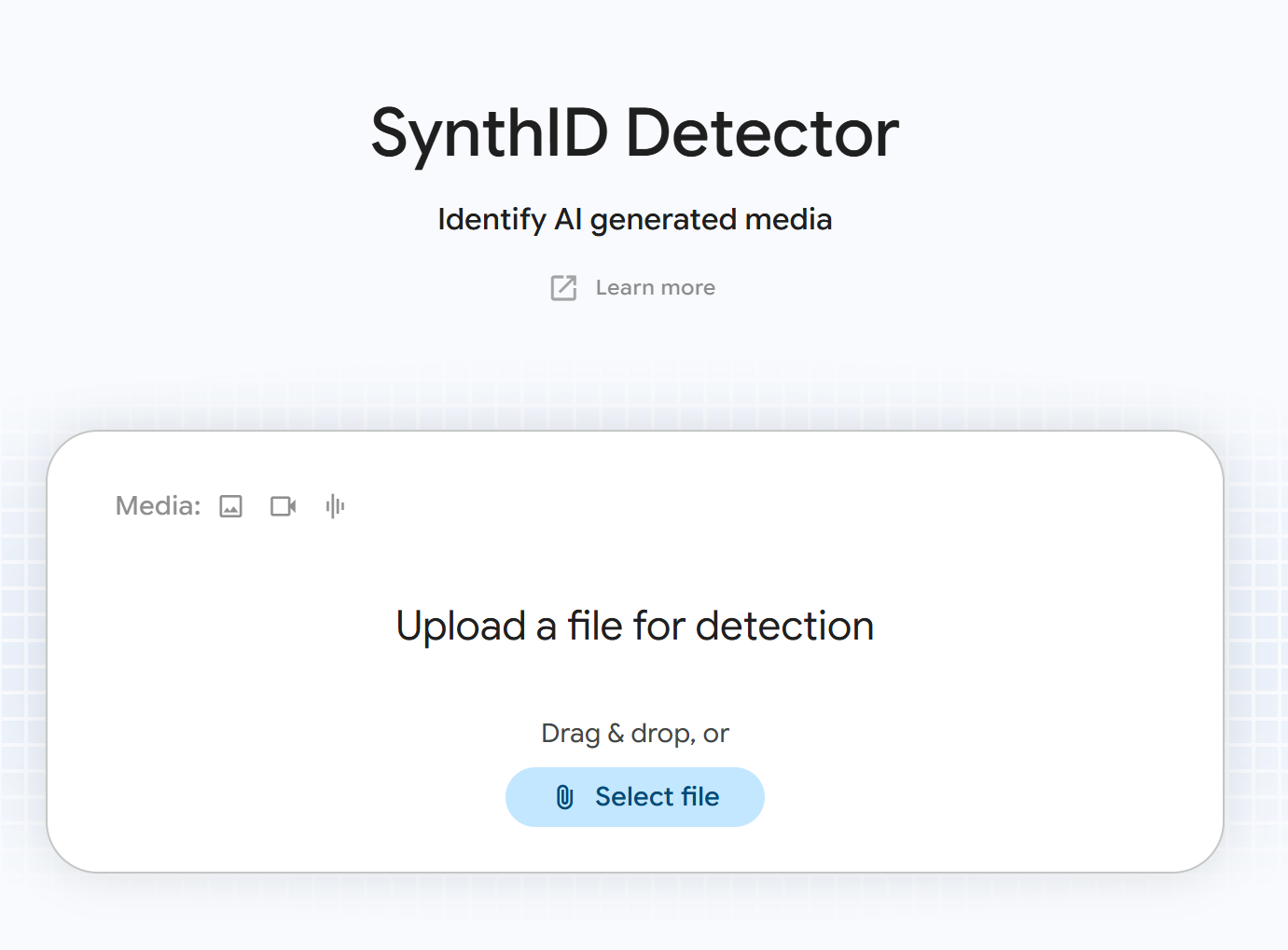
3. Google Gemini and SynthID
Google has developed SynthID, a digital watermarking technology embedded in some content created or edited using Google’s artificial intelligence tools. Gemini can assist in checking whether this watermark is present.
Users can upload an image and ask whether it was created or edited using Google’s artificial intelligence systems. If a SynthID watermark is detected, it suggests that some portion of the content has been generated or altered by Google’s tools. However, the absence of a watermark does not prove an image is genuine, as it could have been created using other artificial intelligence platforms.
4. Examine image details
Technology should not be the only line of defence. Observers should also look closely at visual details such as inconsistent lighting and shadows, unnatural backgrounds, repeating patterns, or distorted body parts and objects.
For images of sick animals, details such as the animal itself, medical equipment and surroundings may provide clues. For photographs of patients, the wider scene and consistency with other images from the same event can be useful.
However, such observations are not definitive proof. Authentic photographs can also appear unusual because of camera angles, lighting conditions, image compression or editing.
When multiple images from the same incident are available, it is worth checking whether they feature the same individual or animal, the same location and a consistent sequence of events.
Verify the story, not just the picture
Even if a tool suggests that an image may have been generated by artificial intelligence, that alone does not prove a fundraising appeal is fraudulent. Investigators recommend examining at least three additional areas.
- Verify identities by checking whether the person posting the appeal is genuinely connected to the patient or animal and whether there is a verifiable history of assistance.
- Verify claims by looking for supporting evidence. If medical treatment costs are cited, reasonable documentation should be available. If a major event is claimed to have occurred, donors should check reliable sources.
- Verify how the funds will be used by reviewing account details, the stated purpose of the fundraising effort and any expenditure reports. If information is unclear, it may be prudent to delay a donation.

Five ways to protect yourself before donating
- Do not transfer money immediately because of sympathy. Even when a post claims an emergency, take time to conduct basic checks.
- Search images before believing them. Google Lens can help identify old photographs, recycled images and misleading contexts.
- Use more than one verification tool. Services such as Hive Moderation and Google Gemini can assist with analysis, but no single tool should be treated as a final verdict.
- Request evidence related to the fundraising appeal. Check treatment costs and proposed use of funds in a reasonable manner without requesting unnecessary personal information.
- If you suspect fraud, preserve evidence including screenshots, messages, account details and transfer records. Anyone who has already transferred money should contact their bank and relevant authorities as soon as possible.
Source: นักวาดภาพประกอบชื่อดัง โพสต์ยอมรับ ตายทิพย์ ตุ๋นรับเงินบริจาค นำไปใช้ส่วนตัว