AI-altered image falsely linked to 2026 South Korea tunnel collapse
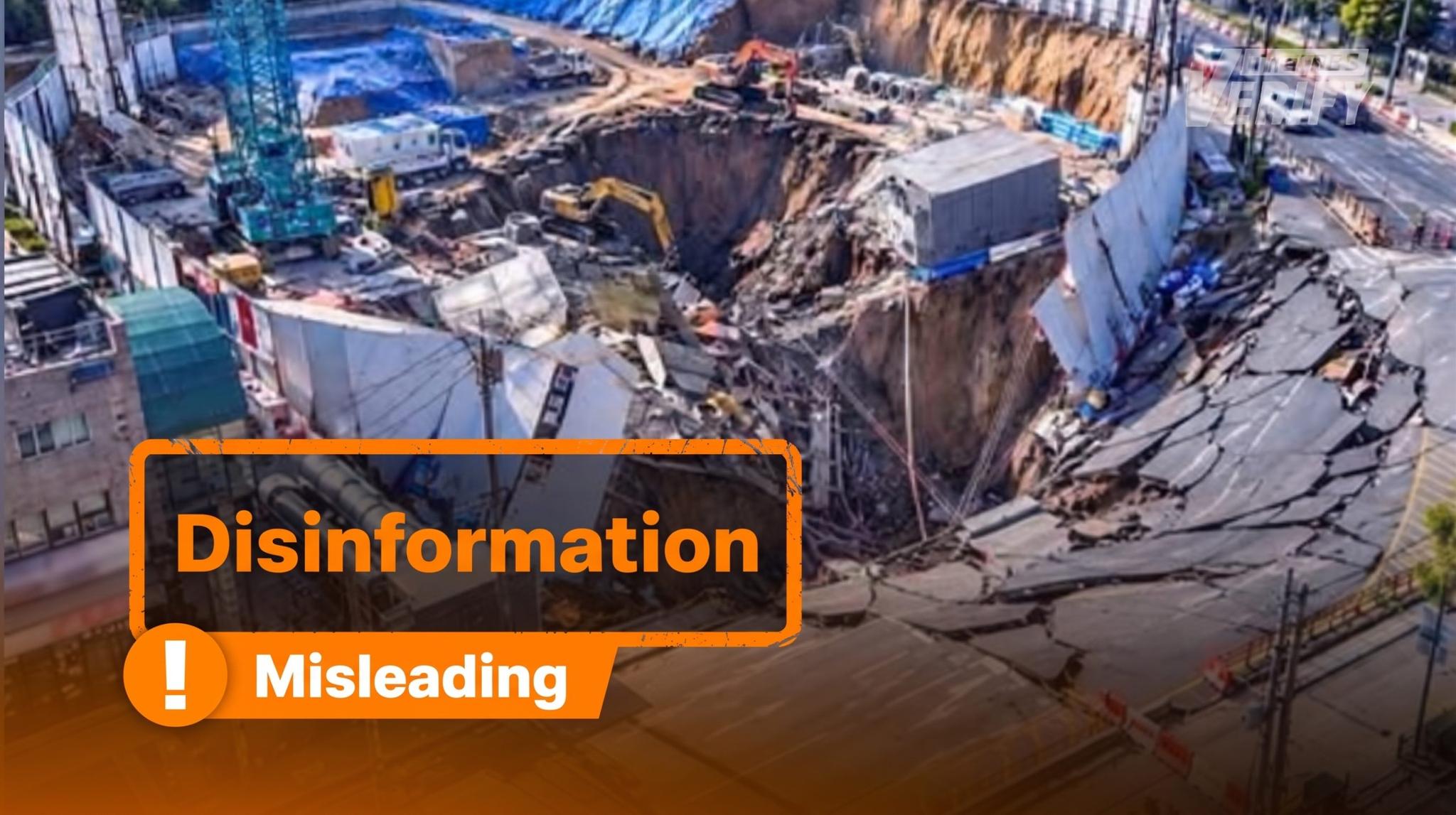
Thai PBS Verify found this disinformatiton on Facebook
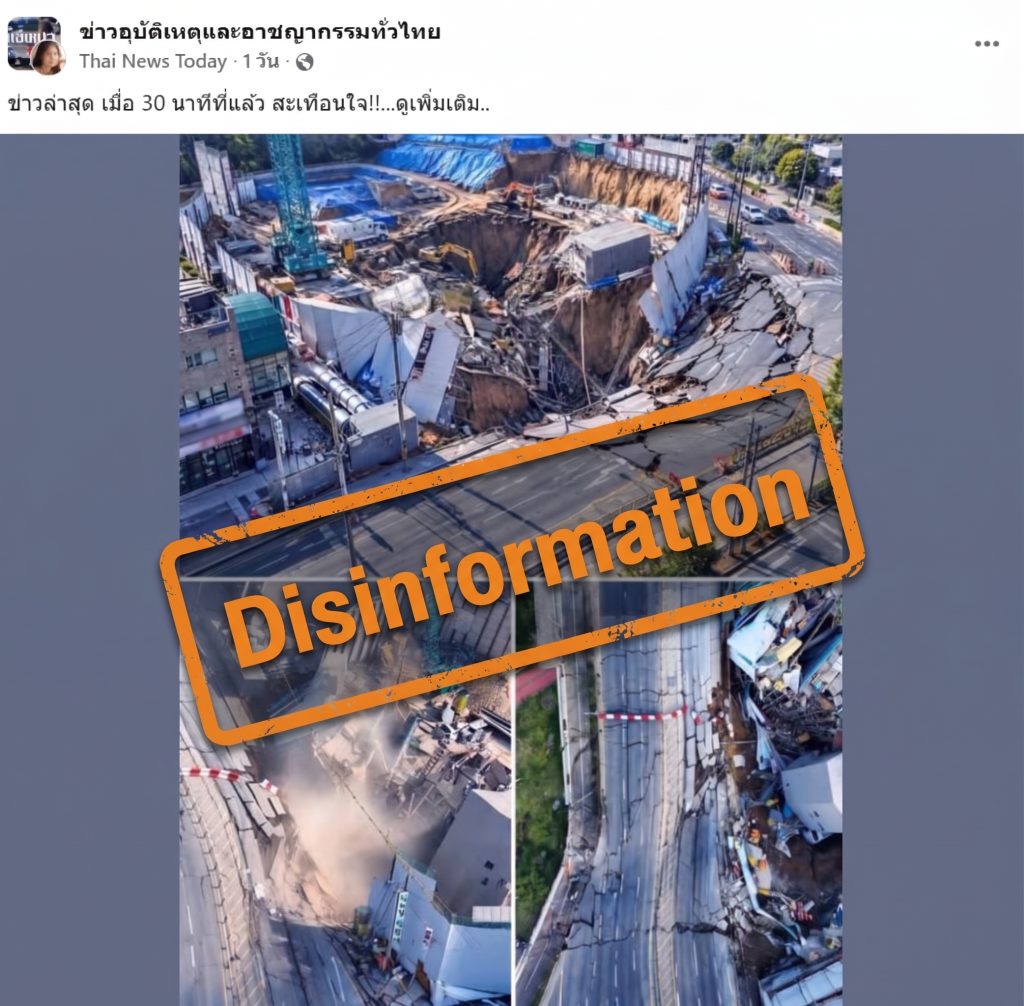
Misleading Facebook post
Thai PBS Verify found a post shared in a Thai news group featuring images allegedly showing a subway tunnel collapse.
The post stated:
“Latest news from 30 minutes ago. Heartbreaking!”
Published on Nov 10, 2026.
Are the images genuine?
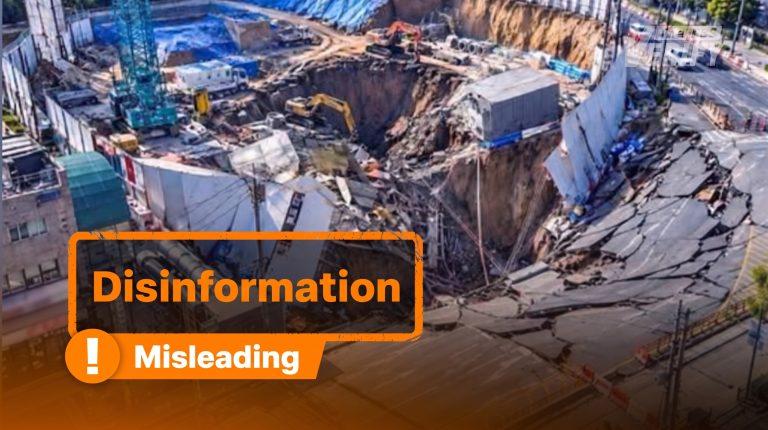
A reverse image search using Google Lens found that the first image matched photographs published by the Korea JoongAng Daily on April 14, 2025. The report covered the collapse of a subway tunnel under construction on the Shinansan railway project in Gwangmyeong, Gyeonggi Province, South Korea, on April 11, 2025.
According to the report, South Korean inspectors had previously examined the construction site in 2023 and found that geological conditions in the area were in a very poor state before the collapse occurred in 2025.
However, a closer inspection revealed slight differences between the image in the Facebook post and the original news photograph. The image was therefore analysed using AI detection tools from Hive Moderation, which indicated that it was likely generated or modified using AI associated with ChatGPT.
Thai PBS Verify then conducted a further analysis using OpenAI’s image detection tools, which produced similar results, suggesting that the image had likely been altered with AI technology.
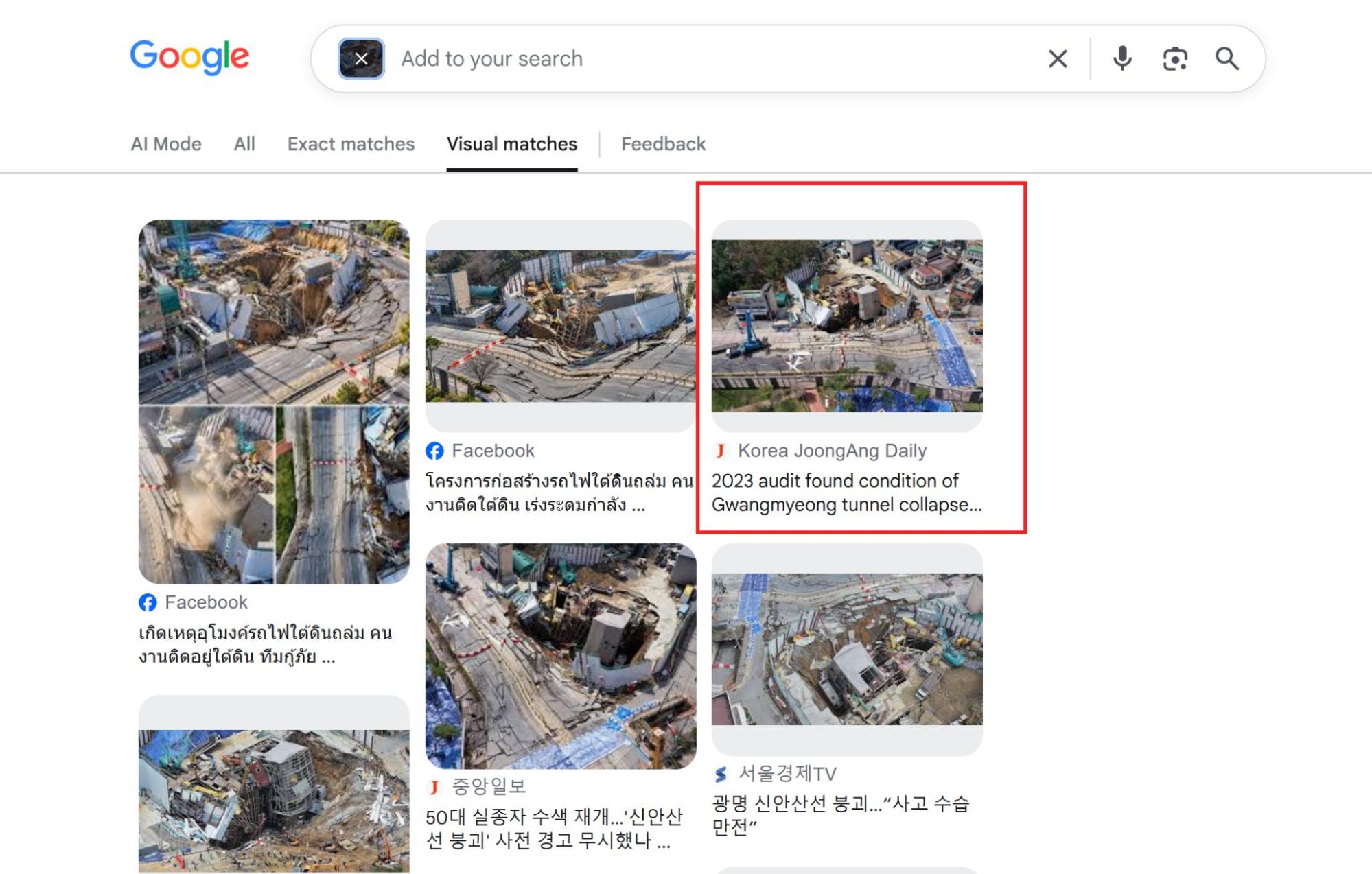
Google Lens results showing the Korea JoongAng Daily report, which noted that inspectors had identified severe geological weaknesses at the tunnel construction site before the 2025 collapse
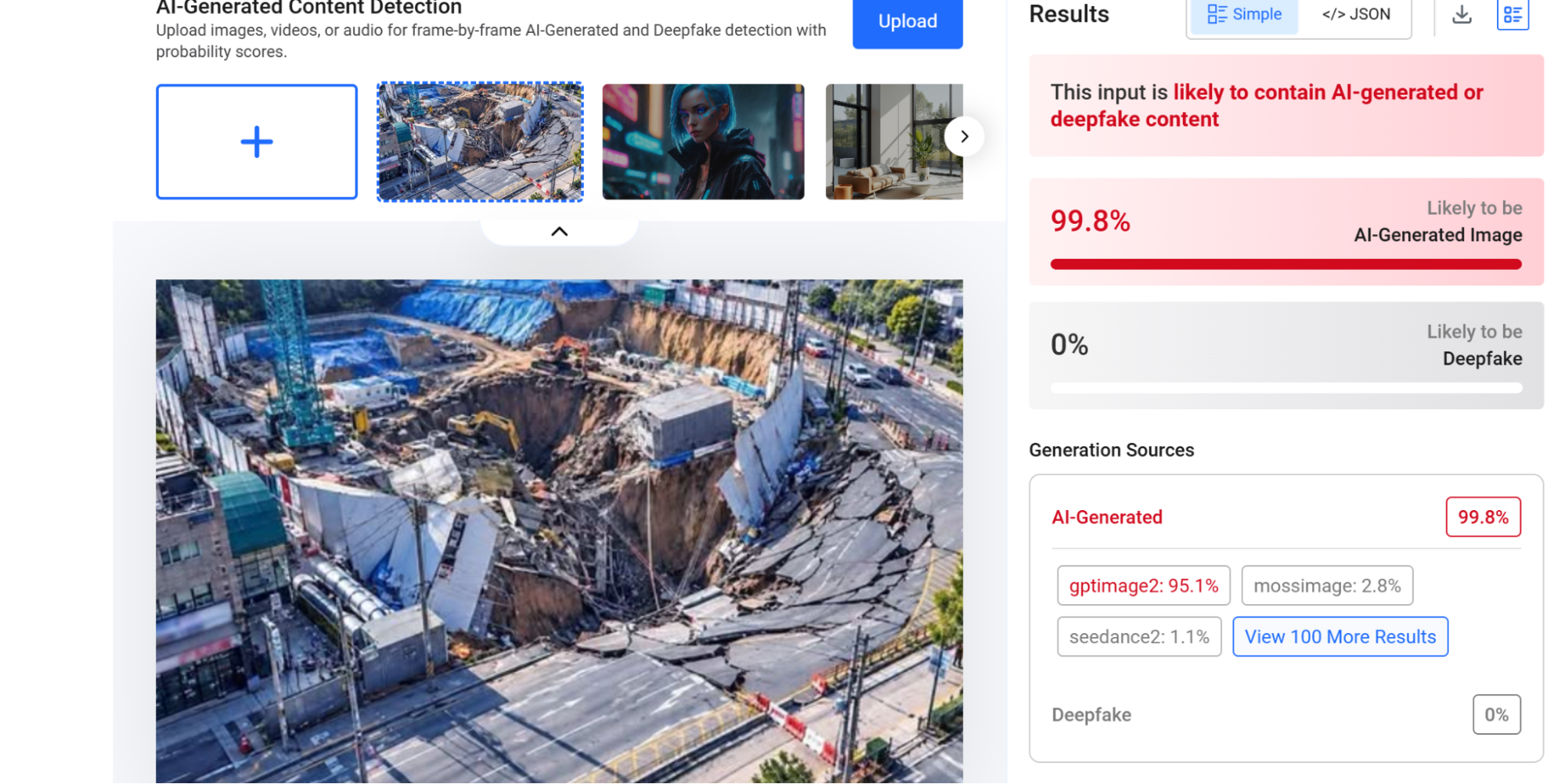
AI image analysis results
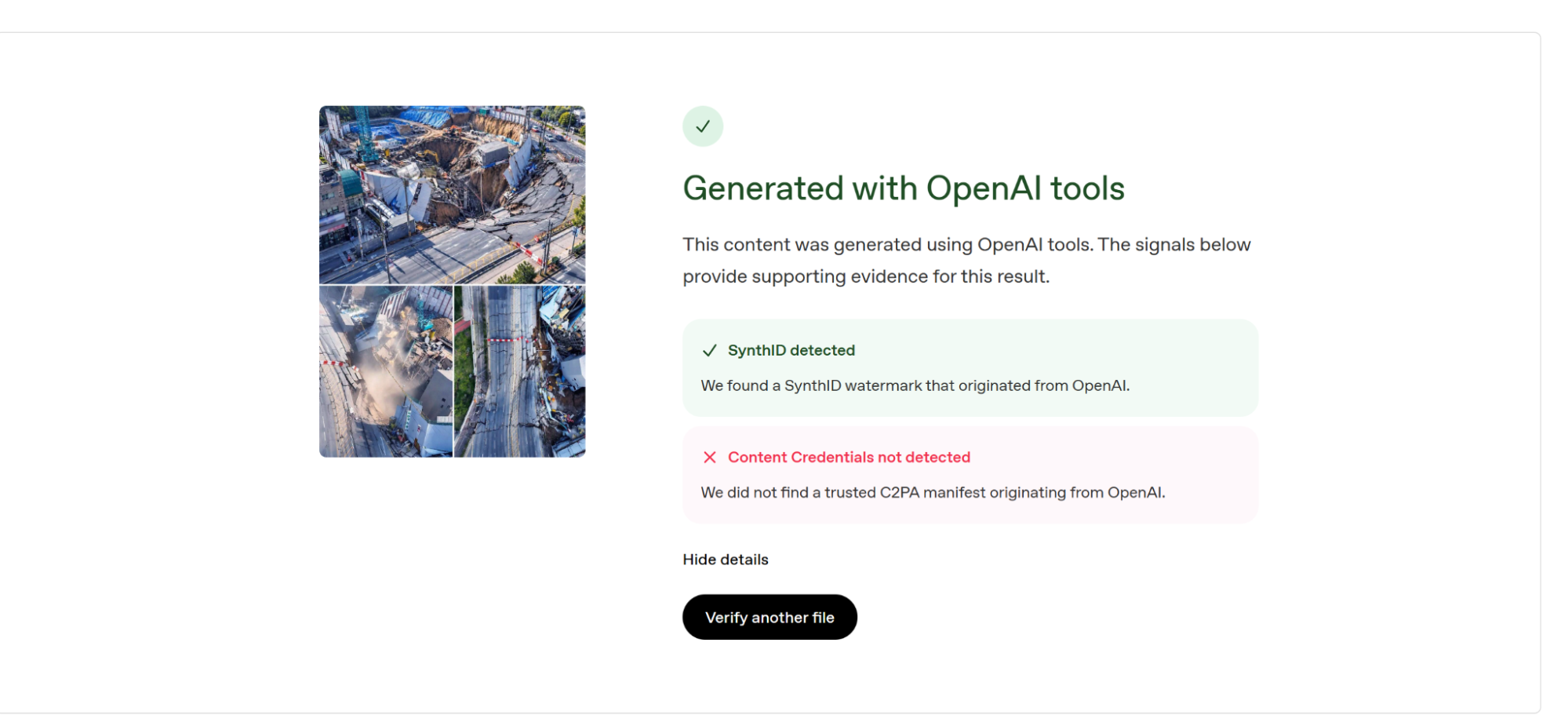
AI image analysis results
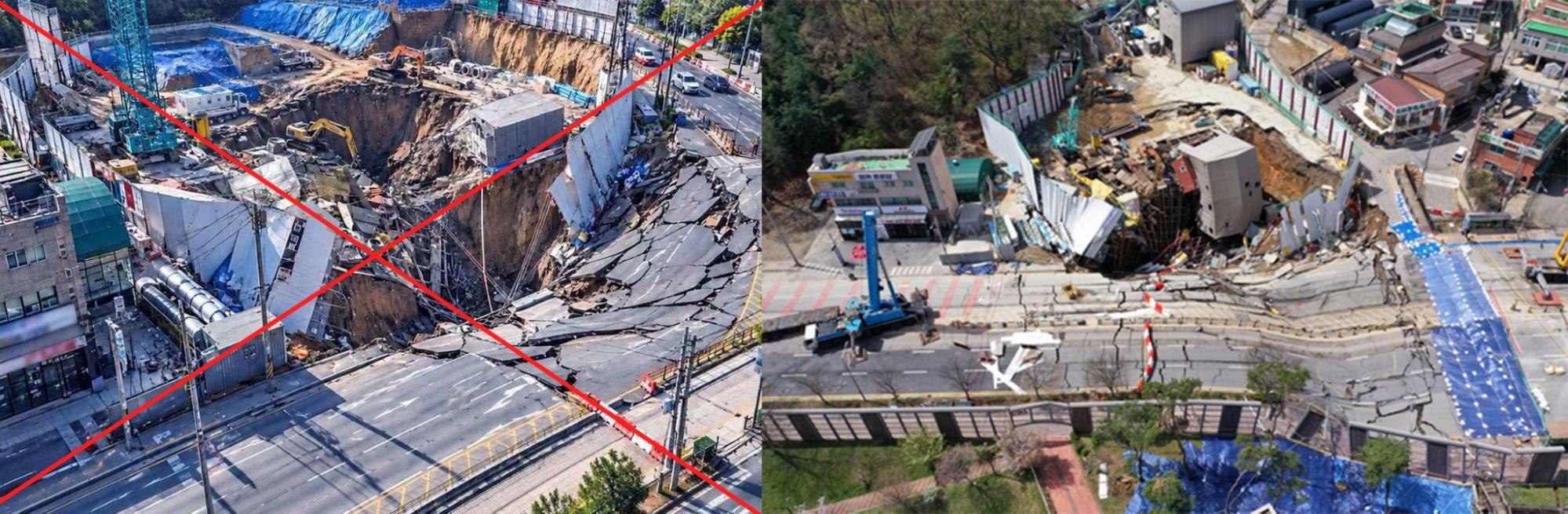
Comparison between the AI-generated or AI-altered image and the original Korea JoongAng Daily news photograph
The altered image was also compared with photographs published by the Associated Press. Several discrepancies were found, including differences in the position of utility poles and road lane markings. AP reported that the tunnel collapse occurred on April 11, 2025.
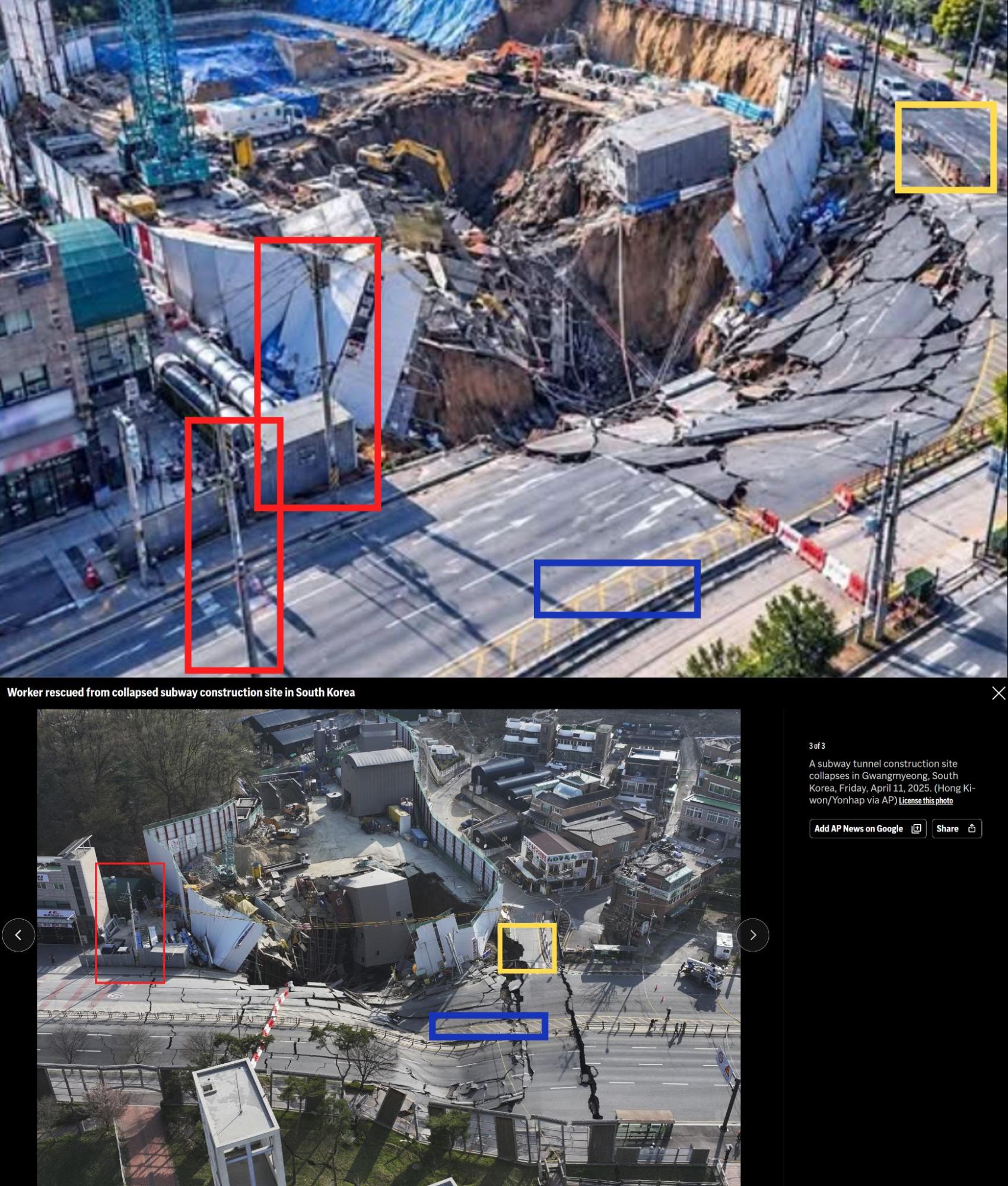
Comparison between the AI-altered image and the original AP news photograph showing differences in utility pole placement and road markings
A Google Lens search of the second image matched photographs published by The Korea Herald under the headline “Gwangmyeong subway construction site collapses; 1 trapped, 1 missing” on April 11, 2025. The report cited images provided by Yonhap News Agency.
An examination of signboards visible in the area provided additional evidence. In the original news photographs, store signs could be clearly read. One sign displayed the Korean words “생선구이”, meaning grilled fish restaurant, while another displayed “쌈밥”, referring to a restaurant serving rice wrapped in leafy vegetables.
In contrast, the AI-altered image showed distorted and illegible text, a common indicator of AI-generated manipulation.
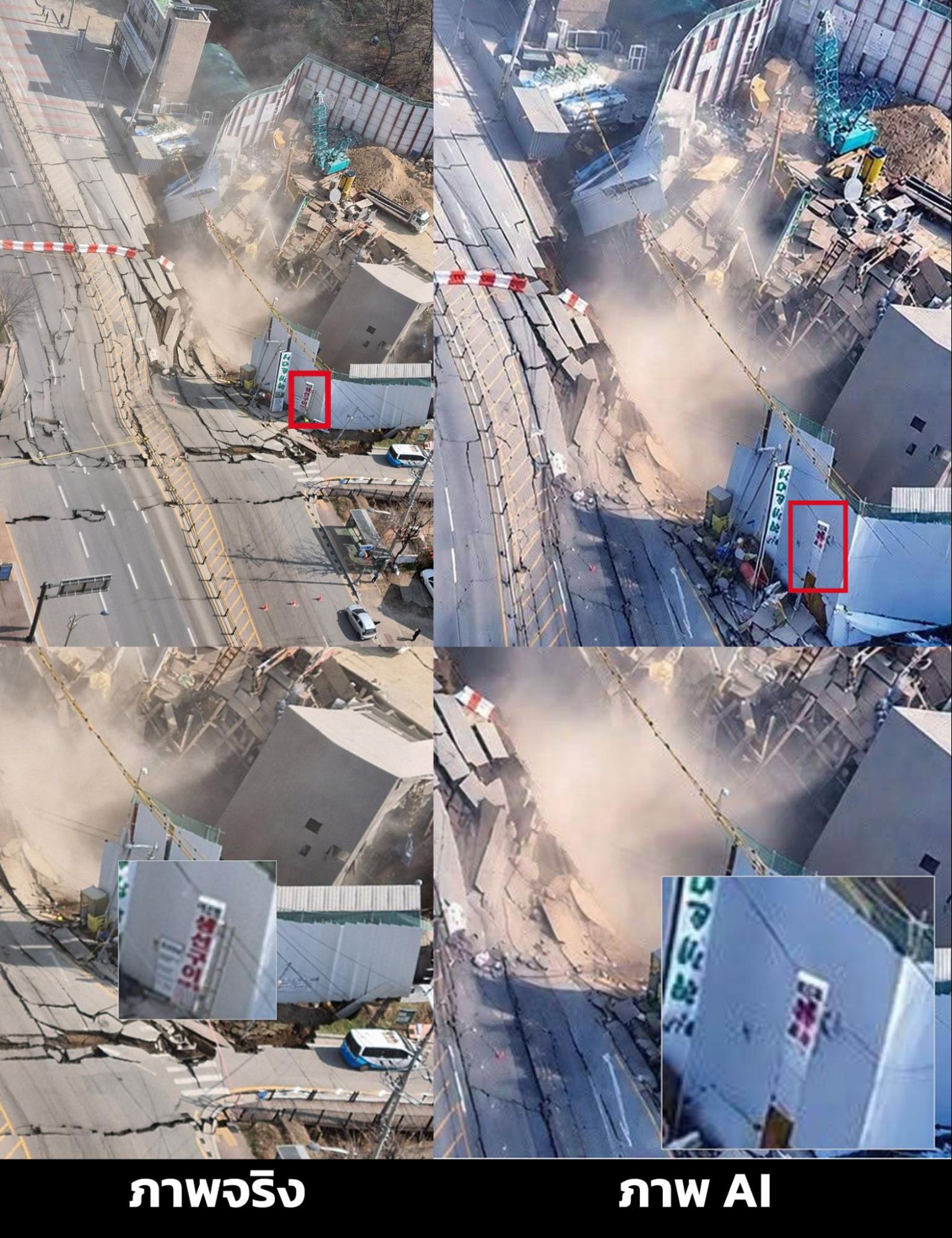
Comparison of the “생선구이” restaurant sign. The left image is from Yonhap, while the right image has been altered with AI
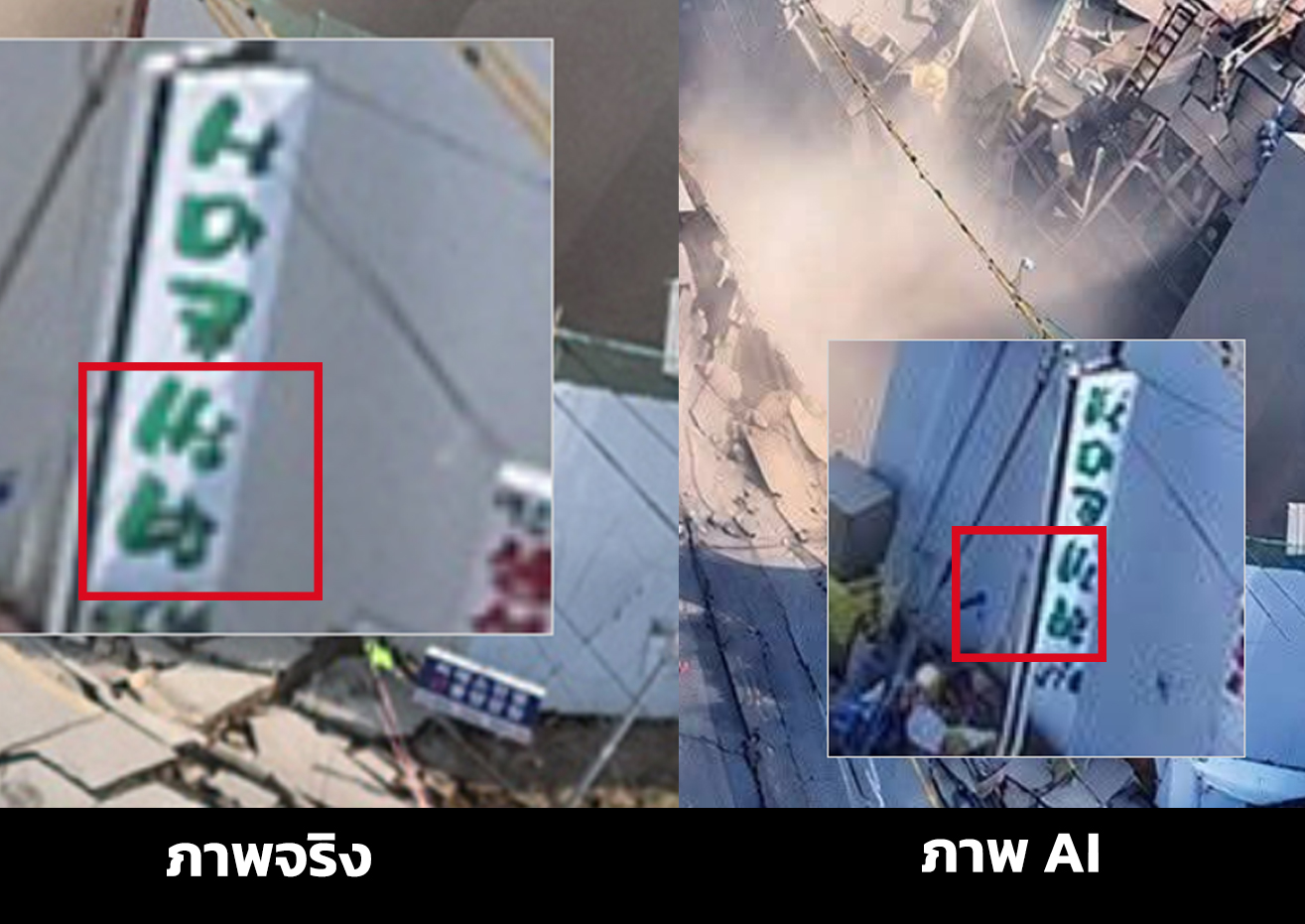
Comparison of the “쌈밥” restaurant sign. The left image is from Yonhap, while the right image has been altered with AI
A third image was traced through Google Lens to a report published by Chosun Biz on April 11, 2025. The report stated that more than 2,300 residents were evacuated after the tunnel collapse in Gwangmyeong.
The details in the original photograph matched the real incident, confirming that the social media post used authentic images from the South Korean tunnel collapse but altered them further using AI.
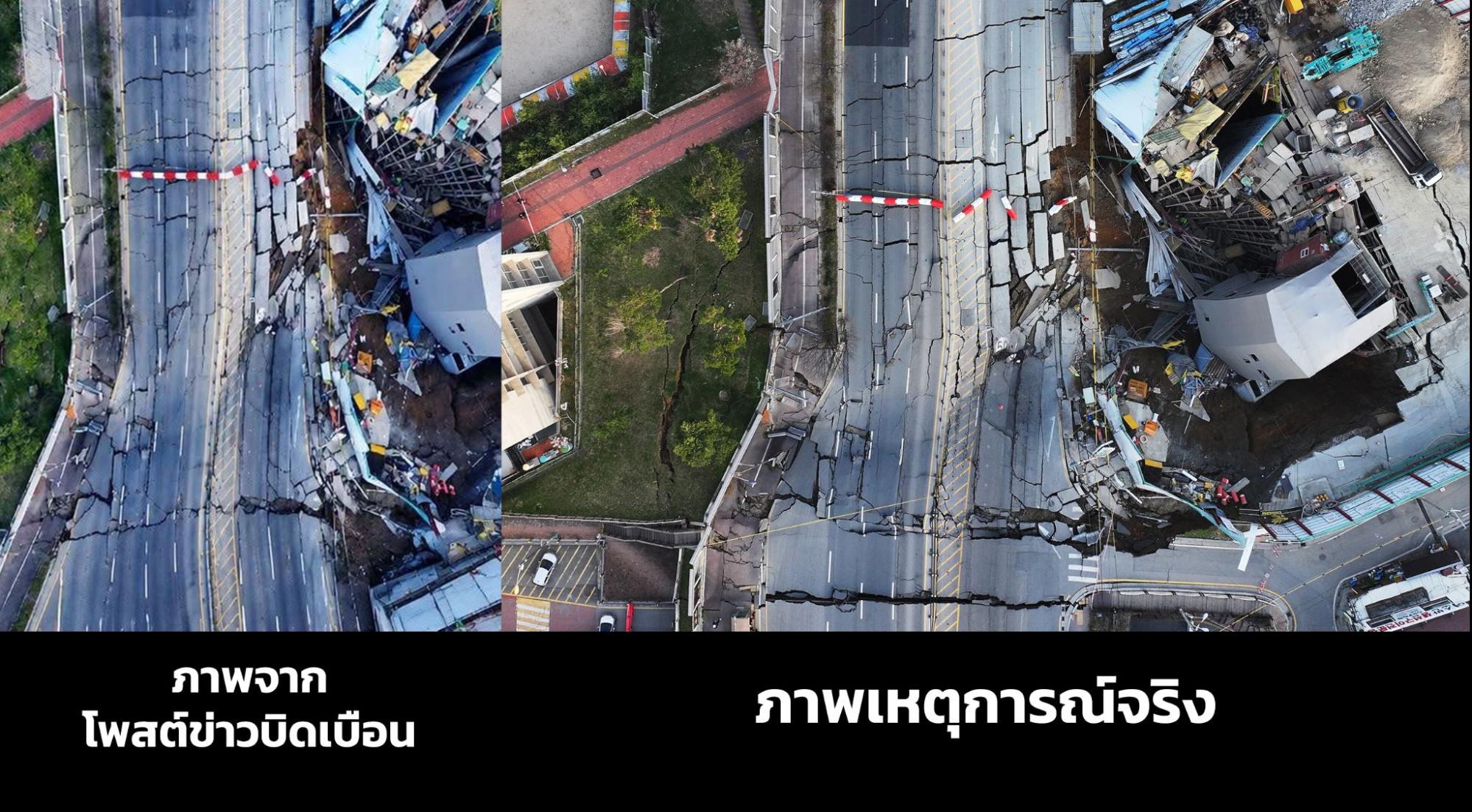
Comparison between the misleading post and original images published by Chosun Biz
Thai PBS Verify also examined the location using Naver Map. Investigators followed clues from KBS News footage showing a road sign reading “양달로” (Yangdal-ro). Searching the location on Naver Map and reviewing surrounding imagery revealed the construction site before the collapse occurred in April 2025. The area also contained a ssambap restaurant matching features seen in the original news photographs.
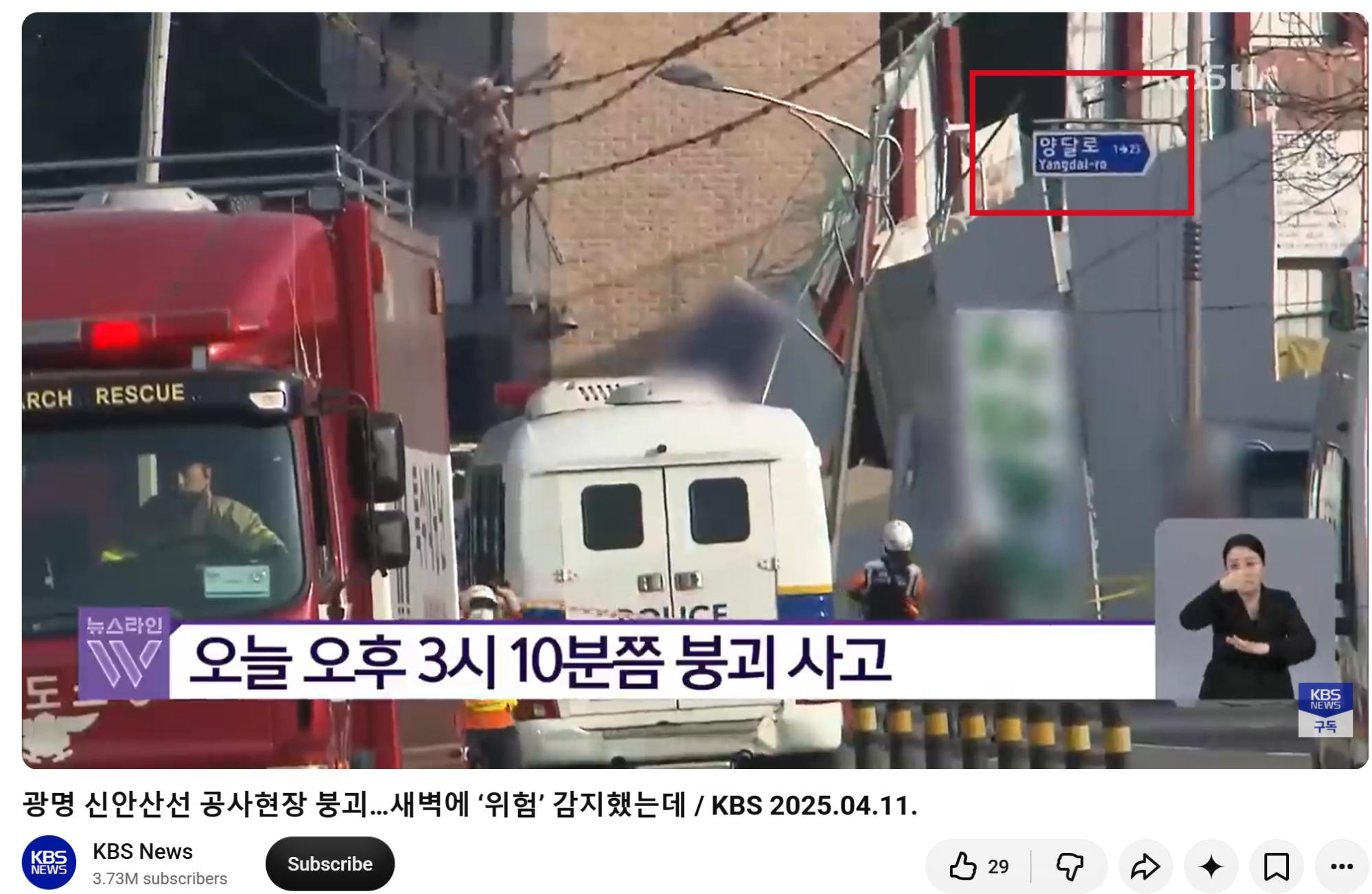
Road sign captured in KBS News footage
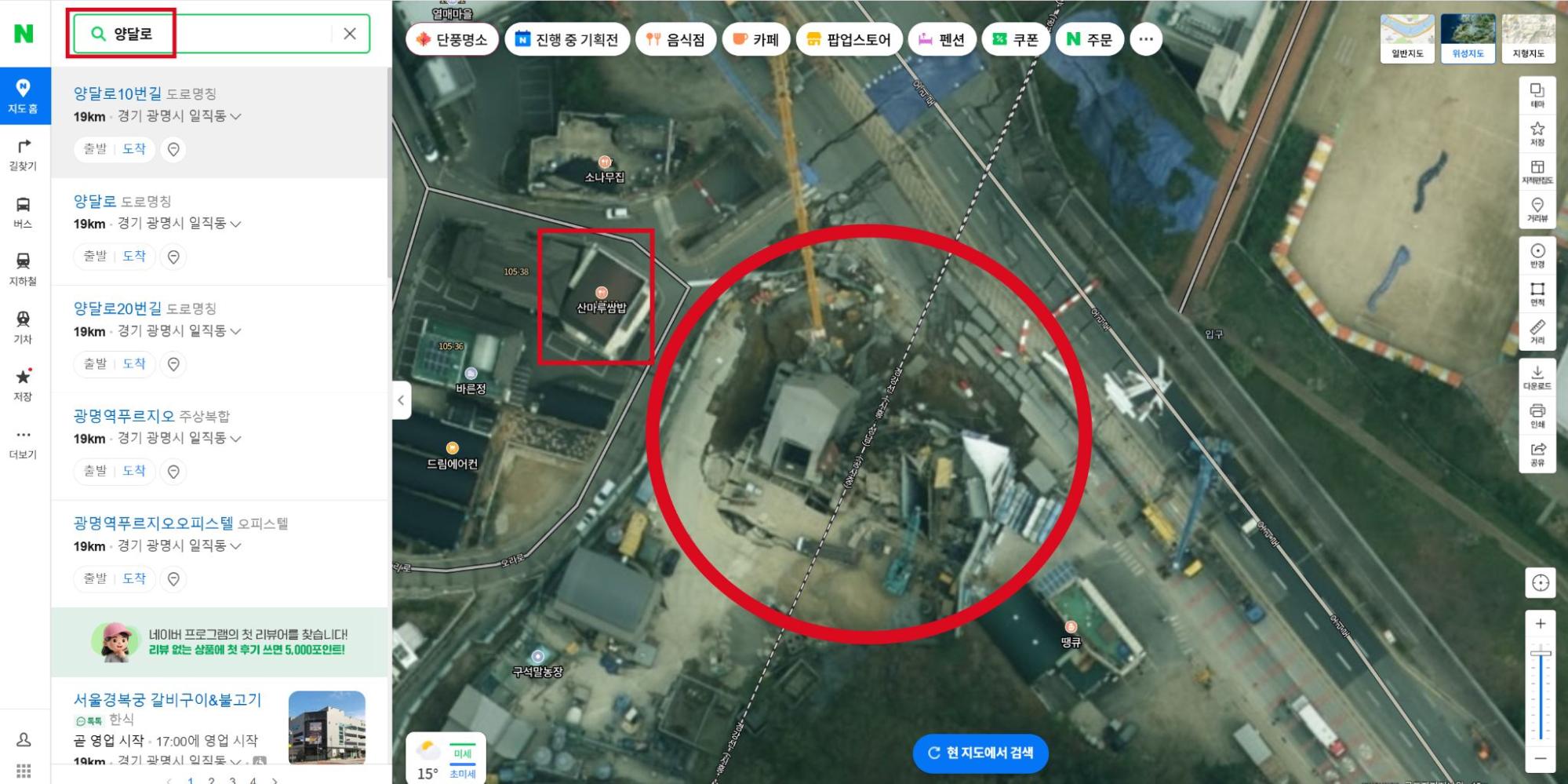
Construction site before the collapse, photographed by Naver Map in January 2025
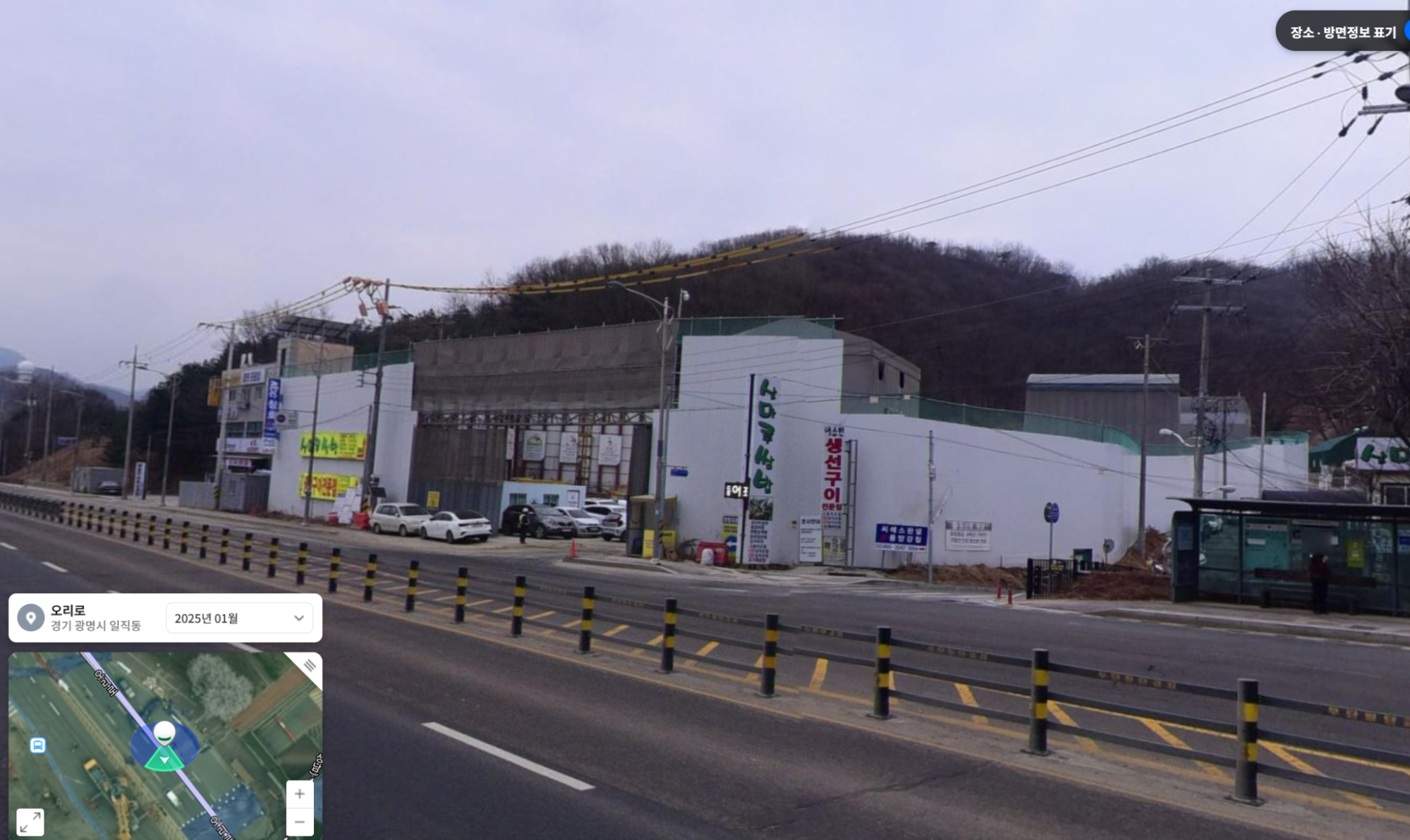
Street View image of the construction site from January 2025
What really happened?
Thai PBS Verify found that the collapse actually took place in Gwangmyeong, South Korea, on April 11, 2025. The images originally came from legitimate Korean news coverage of the incident. However, some visual elements were subsequently altered using AI, creating a misleading impression while retaining the appearance of authentic news photographs.
Verification Process
Reverse image search
Google Lens matched the first image to a Korea JoongAng Daily report published on April 14, 2025, covering the Shinansan railway tunnel collapse in Gwangmyeong on April 11, 2025.
AI image analysis
Comparison with original images revealed inconsistencies. AI detection tools concluded that the image was likely generated or modified using AI.
Comparison with international news reports
The altered image was compared with photographs published by AP. Differences in physical details confirmed that changes had been introduced after the original images were taken.
Location verification
Investigators used Naver Map and geographical clues from KBS News footage, including the Yangdal-ro road sign, to identify the location and confirm the construction site shown in the original news reports.
Potential impact of the misinformation
- It may lead people to believe that all elements of the images are authentic when parts have been altered by AI.
- It creates confusion about the facts of the incident and the origin of the photographs, particularly when images are reposted without source, date or location details.
- It may distort public understanding of overseas accidents and disasters.
- It undermines trust in legitimate news photography when authentic images are altered and redistributed without disclosure.
- It makes fact-checking more difficult because real photographs can now be modified with AI while still appearing genuine.
What to do with this misinformation?
- Use Google Lens or reverse image search tools to check where an image first appeared.
- Compare images with reports from credible news organisations and examine details such as signs, buildings, roads and surrounding landmarks.
- Verify that the date, time and location match the claims made in the post.
- Use AI detection tools as supporting evidence rather than relying on them alone.
- If an image contains suspicious details or its source cannot be verified, avoid sharing it until the information has been checked against original reporting.